
Nation's Pillars Under Fire: Deputy Premier Demands Firm Action on Insults to Islam and Malay Rulers
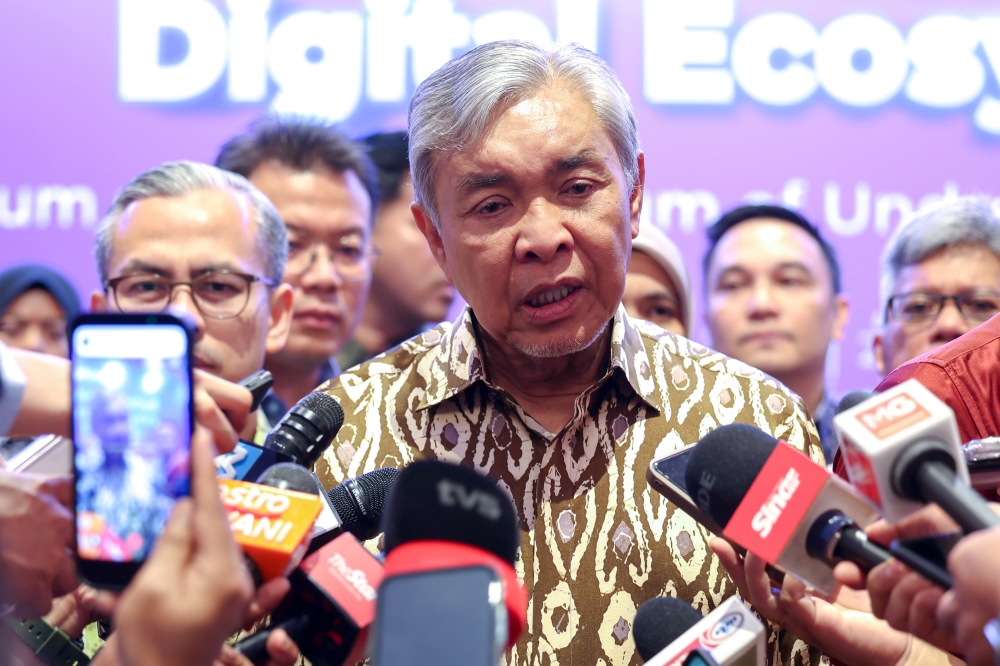
A growing unease within the Malay community, fueled by perceived challenges to the sanctity of Islam and the dignity of the Malay Rulers, has prompted a strong call for decisive action. Deputy Prime Minister Datuk Seri Ahmad Zahid Hamidi has articulated the need for a firm, fair, and wise approach to address insults targeting these foundational elements of the nation, emphasizing their critical role in preserving religious respect, state institutions, and overall national harmony.
A Deepening Disquiet: Beyond Mere Sensitivity
The Deputy Prime Minister highlighted a deepening sense of disquiet among the Malay populace. This sentiment stems from a series of incidents that have stirred public sensitivities, ranging from controversial remarks about the word "Allah" to dismissive attitudes towards halal certifications and objections to the azan, the Islamic call to prayer. These issues, he explained, strike at the core of religious identity and national heritage.
Furthermore, acts of disrespect directed towards the Malay Rulers have exacerbated this unease. As the religion of the Federation and the Malay Rulers represent two of the nation's most significant pillars, any disturbance to them cannot be dismissed lightly, according to Zahid. He stressed that the anxiety felt by the people in response to these challenges is a matter of serious national concern.
Freedom of Speech vs. Sacred Ground
While acknowledging the importance of freedom of speech, Zahid issued a clear warning. This fundamental right, he asserted, cannot be exploited as a shield for religious defamation, the belittling of the Malay Rulers' esteemed position, or the deliberate undermining of national unity. The delicate balance between expression and respect for deeply held beliefs and institutions is at the forefront of this discussion.
The Deputy Prime Minister suggested that it is an opportune moment to re-evaluate and fortify the nation's legal framework. This review is crucial to ensure that existing laws remain robust and relevant in confronting the evolving challenges to religious and royal dignity in the contemporary landscape.
Malay Unease: A Multifaceted Concern
Zahid elaborated that the anxieties within the Malay community extend beyond religious and royal matters. They encompass a broader spectrum of concerns, including economic standing, educational opportunities, social unity, and political stability. These interconnected issues contribute to the overall sense of unease that requires a comprehensive understanding and strategic solutions.
Economic Realities and Aspirations
On the economic front, Zahid pointed out that while Malays constitute a significant portion of consumers and the workforce, their representation in terms of asset ownership remains a point of concern. He advocated for a strategic shift from mere aid to fostering genuine ownership, control, and active participation in the burgeoning industries of the future. This transition is vital for long-term economic empowerment.
Bridging the Skills Gap in Education
The educational sector also presents a significant challenge. A notable disconnect exists between the skills acquired by graduates and the demands of the job market. Data indicates that a substantial percentage of graduates, approximately 35.8 percent or 1.96 million individuals, are currently employed in semi-skilled or low-skilled roles. This highlights a critical need for educational reform.
To address this, Zahid emphasized the imperative to strengthen Technical and Vocational Education and Training (TVET). He positioned TVET as a pivotal pathway for enhancing youth mobility and equipping them with the practical skills demanded by modern industries, thereby improving their career prospects and contributing to national economic growth.
The Perils of Social Media and Identity Politics
The Deputy Prime Minister also sounded a cautionary note regarding the escalating racial sentiment and prejudice amplified on social media platforms. He warned that such divisive rhetoric poses a significant threat to national unity, potentially eroding the social fabric that binds the diverse communities together. Disputes over language, cultural heritage, and identity sensitivities are increasingly becoming flashpoints for tension.
Reuniting Malay Politics for a Stronger Future
In addressing the political landscape, Zahid called for a renewed focus on unity, civility, and strategic thinking within Malay politics. He cautioned against the detrimental effects of internal divisions and power struggles, which can weaken the community's collective influence and ability to shape its own destiny. The emphasis should be on long-term vision and collaborative action rather than short-term political gains.
Ultimately, Malay politics must be guided by reason and a clear strategy, not solely for electoral victories, but to ensure the community's enduring capacity to determine its own future trajectory and contribute meaningfully to the nation's progress.





 Explore AI Teaching Tools
Comments (0)
Please login to comment
No comments yet
Be the first to comment on this article