
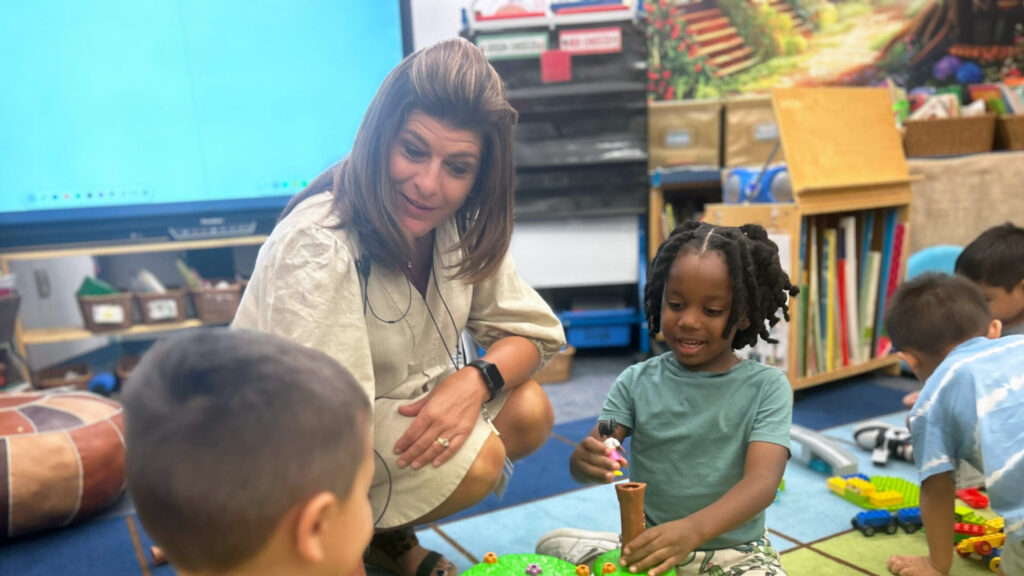
Universal Early Education: Sustaining the Momentum for Lifelong Learning
The landscape of early childhood education has been dramatically reshaped, marking a significant leap forward in providing foundational learning opportunities for all.This transformative shift, particularly the widespread adoption of universal prekindergarten, represents a monumental achievement.
While the initial rollout is a cause for celebration, the true success lies in our collective commitment to sustaining and enhancing these vital programs.
This article delves into the critical elements required to ensure that this groundbreaking expansion of early education not only endures but thrives, offering unparalleled benefits for children, educators, and communities alike.
This is more than just access; it's about cultivating a future where every child has the support they need to flourish.
The Dawn of Universal Prekindergarten: A New Era for Early Learners
The advent of universal prekindergarten signifies a profound societal investment in the youngest members of our communities.This initiative, often implemented through a mixed-delivery system encompassing various educational settings, aims to ensure that every four-year-old has the opportunity to begin their formal education journey on a strong footing.
Research consistently demonstrates that high-quality early education experiences are not merely beneficial but foundational for long-term academic and personal success.
Children who participate in such programs often arrive in kindergarten better prepared, exhibiting greater confidence and readiness to learn.
This early advantage translates into a cascade of positive outcomes, including reduced rates of chronic absenteeism, a lower likelihood of grade repetition, and an increased probability of high school graduation and college enrollment.
Furthermore, the benefits extend into adulthood, with studies indicating a correlation between early education and improved long-term health and well-being.
This expansion is a testament to the understanding that investing in early education is a powerful, long-term strategy that yields substantial dividends for individuals and society as a whole.
This is why the focus must now shift from initial implementation to enduring support.
The Transformative Power of Early Learning
The impact of quality early education is far-reaching and well-documented.Decades of research underscore its crucial role in shaping a child's developmental trajectory.
This early exposure to structured learning environments and skilled educators helps to:
- Foster cognitive development, including problem-solving skills and early literacy.
- Enhance social-emotional growth, promoting cooperation and self-regulation.
- Improve language acquisition and communication abilities.
- Build a strong foundation for future academic achievement.
The commitment to universal access means that these transformative benefits are no longer a privilege but a right, ensuring a more equitable start for all.
Sustaining the Vision: Key Pillars for Enduring Success
While the achievement of universal prekindergarten is a significant milestone, the work is far from over.The rapid expansion has brought a surge in enrollment, more than tripling the number of young children participating in these programs in just a few years.
This growth, while positive, presents new challenges and necessitates a strategic approach to ensure the quality and sustainability of these educational offerings.
The focus must now be on providing the necessary support, fostering high standards of quality, and cultivating a robust and skilled workforce.
This requires a collaborative effort involving educators, administrators, policymakers, and the wider community.
This is where the true test of our commitment to early education lies.
Empowering Educators and Administrators
A critical element in sustaining universal prekindergarten is the continuous professional development and support for those on the front lines: the educators and administrators.Feedback from those directly involved in implementing these programs highlights several key areas where enhanced support is vital.
These include:
- Professional Development for Leadership: School administrators require targeted training on developmentally appropriate practices specifically for four-year-olds.
Understanding the unique needs and learning styles of this age group is paramount for effective program management and curriculum implementation.
- Clear Curriculum and Resources: teachers need access to well-defined curriculum frameworks and adequate resources to deliver high-quality instruction.
This includes age-appropriate learning materials, engaging activities, and clear learning objectives.
- Teacher Support Systems: Ongoing support for teachers is essential.
This can manifest through mentorship programs, peer learning communities, and readily available technical assistance to address classroom challenges and foster professional growth.
This is more than just providing training; it's about building a culture of continuous improvement and professional excellence within the early education sector.
Building a Skilled and Dedicated Workforce
The expansion of universal prekindergarten places a significant demand on the early childhood education workforce.To meet this demand and ensure high-quality instruction, strategic initiatives are needed to attract, train, and retain qualified educators.
This involves creating accessible and affordable pathways for individuals to enter the profession and advance their careers.
- Apprenticeship Programs: Compensated apprenticeship programs offer a practical and effective way to bring new educators into classrooms.
These programs provide on-the-job training and mentorship, allowing aspiring teachers to gain valuable experience while earning a living.
- Partnerships with Higher Education: Collaborations with colleges and universities are crucial for developing specialized teacher preparation programs.
These partnerships can streamline the process for individuals to obtain the necessary qualifications and credentials to teach in prekindergarten and preschool settings.
- Financial Support and Incentives: Exploring financial aid, scholarships, and other incentives can help alleviate the cost barriers associated with obtaining early childhood education degrees and certifications, making the profession more accessible to a wider pool of candidates.
A well-supported and highly qualified teaching force is the bedrock of any successful educational system, especially at the critical early learning stages.
This focus on workforce development is essential for the long-term viability and impact of universal prekindergarten.
The Imperative for Ongoing Investment and Support
The success of universal prekindergarten hinges on consistent and dedicated financial support.While initial grants have been instrumental in launching and supporting these initiatives, the absence of sustained, ongoing funding poses a significant risk to their long-term viability.
Without dedicated annual allocations, the vital training, technical assistance, and resources that have proven essential to successful implementation could be jeopardized.
This could lead to a decline in program quality and a loss of expertise, undermining the very foundation of this transformative expansion.
A Call for Sustained Funding
To ensure that the momentum of universal prekindergarten is not lost, a clear and unwavering commitment to ongoing financial investment is required.This includes advocating for dedicated annual funding within state budgets, starting from the upcoming fiscal year.
Such sustained support would empower county offices of education and other implementing agencies to:
- Continue providing essential professional development and training for educators and administrators.
- Offer ongoing technical assistance and coaching to support high-quality program delivery.
- Maintain and expand access to crucial learning resources and materials.
- Further develop and strengthen the early childhood education workforce through innovative programs.
It ensures that the promise of universal early education is not a fleeting moment but a lasting legacy.
Conclusion
The arrival of universal prekindergarten marks a pivotal moment in our commitment to early childhood education.The progress achieved in expanding access to these vital learning opportunities is commendable and holds immense promise for generations to come.
However, the true measure of this success will be our ability to sustain and enhance these programs.
This requires a multifaceted approach that prioritizes ongoing professional development for educators and administrators, strategic workforce development initiatives, and, most critically, sustained and dedicated financial investment.
By continuing to support and strengthen the infrastructure of universal prekindergarten, we ensure that every child has the opportunity to benefit from high-quality early learning experiences.
This commitment is not just about providing access; it is about guaranteeing quality, consistency, and the skilled educators who make early education truly meaningful.
The future of our youngest learners depends on our unwavering dedication to this vital cause.
This is why the continued focus on education and support for educators across every county is so profoundly important.







 Explore AI Teaching Tools
Comments (0)
Please login to comment
No comments yet
Be the first to comment on this article