
Navigating School Policing: Understanding District-Run Police Departments for Safer Campuses
In the evolving landscape of educational safety, a growing number of school districts are taking a proactive approach by establishing their own police departments.This model, while less common than relying on municipal or sheriff's office officers, is gaining traction in specific regions.
Understanding this approach, its motivations, and its implications is crucial for educators, parents, and students alike.
This article delves into the complexities of school-run police forces, offering insights into why some districts opt for this path and what it means for the students they serve.
The Rise of In-House School Police Departments
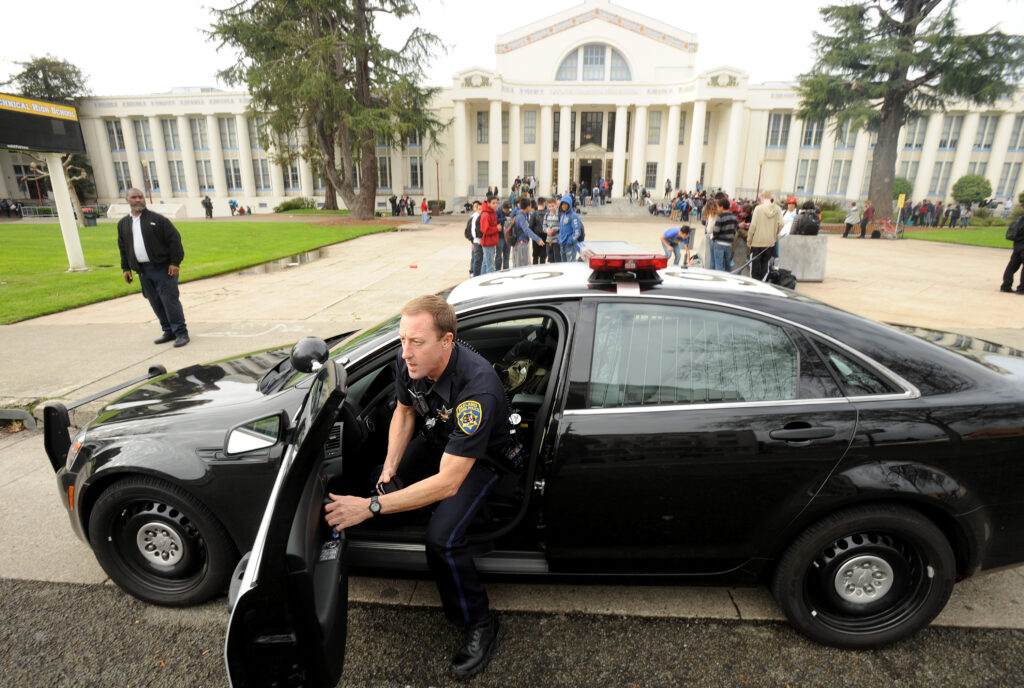
While the majority of school districts across California and beyond depend on external law enforcement agencies for campus security, a notable trend involves districts creating and managing their own police departments.This decision is often driven by a desire for greater control over safety protocols, immediate campus presence, and specialized training tailored to the school environment.
These departments are responsible for everything from responding to emergencies to fostering positive relationships with students, aiming to create a secure and supportive learning atmosphere.
The decision to establish such departments is a significant one, impacting the daily lives of students and the operational dynamics of the school.
Why Districts Choose to Establish Their Own Police Forces
Several factors contribute to a school district's decision to form its own police department.A primary driver is the perceived need for a more consistent and readily available law enforcement presence.
When districts rely on external departments, officers may be called away to other emergencies, leaving campuses without immediate support.
School-run police officers, however, are dedicated solely to the district's schools, ensuring they are always on-site.
Furthermore, some districts believe that officers employed directly by the school system can develop stronger relationships and a better understanding of the unique challenges and needs of students and staff.
This can lead to more effective communication and a more integrated approach to safety and discipline.
Geographic Concentration of School Police Departments
Research indicates that certain regions show a higher prevalence of school-run police departments.For instance, eastern San Bernardino County in California has seen a concentration of districts adopting this model.
This clustering suggests that local context, community sentiment, and perhaps shared challenges may influence such decisions.
When multiple neighboring districts opt for in-house police forces, it can create a regional norm, encouraging others to consider similar structures to maintain perceived parity in safety measures.
This phenomenon highlights how local dynamics can shape educational policy and practice.
The Impact of School Police on Students
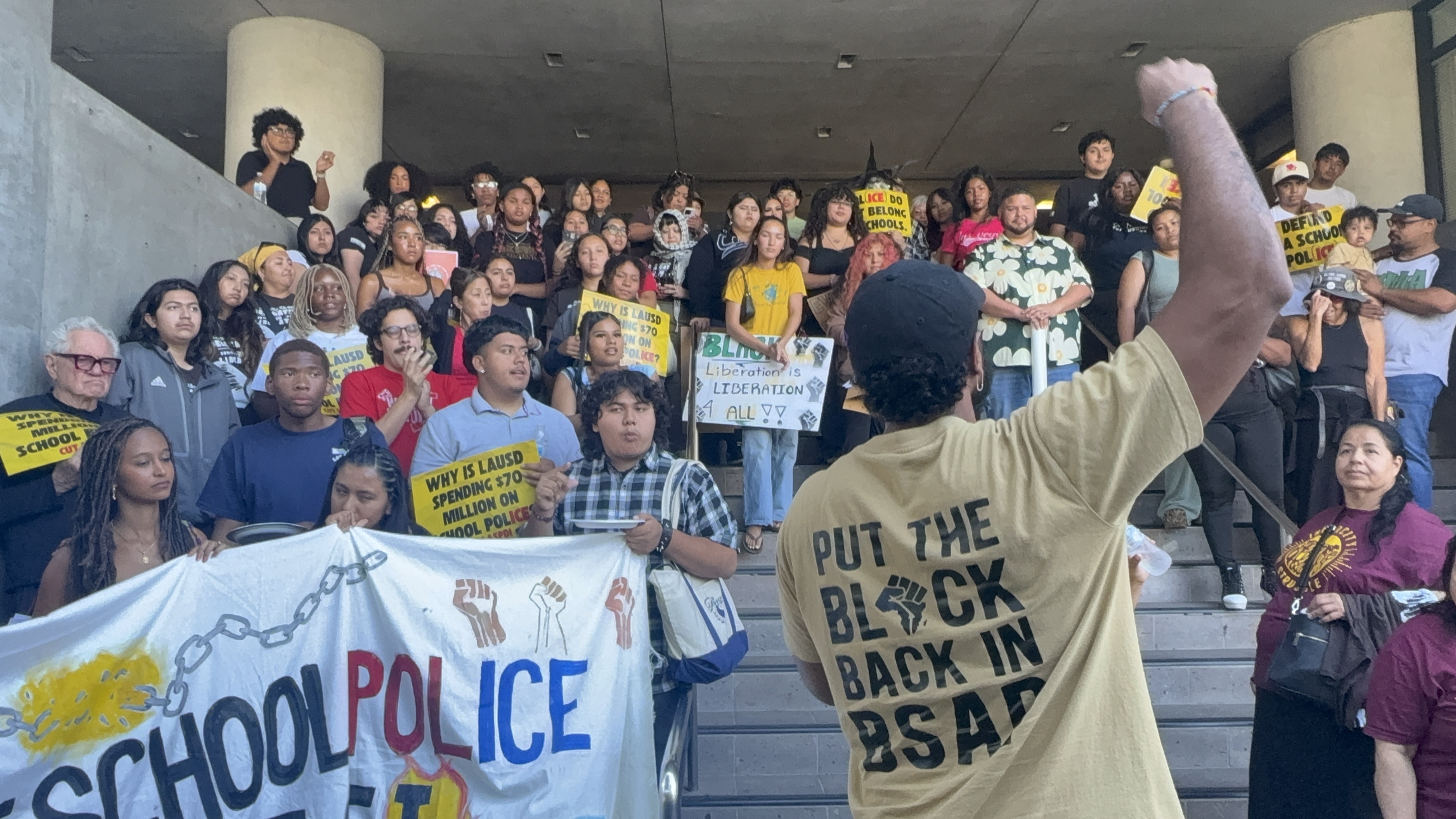
The presence of police officers within school settings, whether from a district-run department or an external agency, has a profound impact on students.Studies suggest that increased exposure to law enforcement in schools can lead to a range of emotional responses, including heightened anxiety and fear, particularly among students from communities that have historically experienced strained relationships with police.
This is a critical consideration for any school district contemplating or currently utilizing school police.
Student Exposure and Potential for Fear
Students attending schools with their own police departments may encounter officers more frequently than those in schools relying on external services.While the intention is often to enhance safety, research indicates that this increased exposure can, for some students, foster an environment of apprehension rather than security.
This is especially true for students of color, who may come from communities where interactions with law enforcement have historically been challenging.
The perception of being constantly monitored can create a barrier to learning and a sense of unease.
Disparities in Disciplinary Actions
Studies have raised concerns about potential disparities in how students are disciplined when police are present in schools.Research indicates that students of color and students with disabilities may be disproportionately subjected to arrests and disciplinary actions in schools with assigned law enforcement officers.
For example, data has shown significantly higher arrest rates for Black students in such environments compared to their peers.
This suggests that the presence of police, even with good intentions, can inadvertently contribute to inequities within the school system, impacting students' academic trajectories and overall well-being.
Examining the Operational Models of School Police
School police departments operate under various structures and face unique challenges related to oversight, accountability, and resource allocation.Understanding these operational differences is key to evaluating their effectiveness and impact.
Comparing In-House vs.
External Policing Models When districts employ their own police officers, they gain direct control over hiring, training, and deployment.
This can lead to officers who are more familiar with the school's specific culture and student body.
However, it also means the district assumes full responsibility for the department's operations and any potential misconduct.
In contrast, relying on municipal police or sheriff's departments leverages existing, larger law enforcement infrastructures, potentially offering broader resources and established oversight mechanisms.
Yet, this model can result in less specialized knowledge of school dynamics and a less consistent campus presence.
The Role of School Resource Officers (SROs)
School Resource Officers (SROs) are sworn law enforcement officers assigned to work in schools, often through agreements with local police departments.While SROs are intended to be a bridge between law enforcement and the school community, their effectiveness and impact are subjects of ongoing discussion.
Some argue that SROs can deter crime and provide a rapid response to incidents.
Others express concerns that their presence can criminalize student behavior, particularly minor infractions, and contribute to the school-to-prison pipeline.
The specific training and approach of SROs are critical factors in their impact.
Accountability and Oversight in School Policing
Ensuring that any law enforcement presence within schools is held to high standards of accountability and oversight is paramount.This is particularly true for school-run police departments, which may face different challenges in this regard compared to municipal agencies.
Challenges in Oversight for District-Run Departments
When school districts establish their own police departments, they inherently take on the responsibility for internal oversight.This can be challenging for smaller departments that may lack the infrastructure for robust internal affairs investigations.
Unlike larger municipal police forces or sheriff's offices, which often have established oversight bodies or are accountable to elected officials with broader mandates, school police departments might have fewer layers of external review.
This concentration of power within a smaller entity necessitates a strong commitment to self-governance and transparency.
The Importance of Independent Review and Public Accountability
Independent oversight and public accountability are crucial for all law enforcement agencies, and this is especially true for those policing children.Mechanisms such as civilian review boards, independent auditors, and transparent reporting of complaints and disciplinary actions can help build trust and ensure that officers are acting appropriately and equitably.
When school districts lack these external checks, the potential for misconduct or biased policing can increase.
Studies indicate that departments that police themselves are more susceptible to issues, underscoring the value of outside scrutiny.
Addressing Concerns and Exploring Alternatives
The discussions surrounding school policing are complex, with valid concerns raised about student safety, equity, and the potential for negative impacts.Exploring alternative approaches and ensuring that existing police presence is as effective and equitable as possible is an ongoing endeavor.
Scrutinizing Disciplinary Practices and Student Rights
It is essential for school districts to critically examine their disciplinary practices and how they interact with law enforcement.Research shows that certain actions, such as defiance, minor altercations, or loitering, which might have previously been handled by school administrators, can lead to police involvement and arrests in schools with dedicated police forces.
This can have long-term consequences for students, including criminal records that can hinder future educational and employment opportunities.
Protecting students' rights and ensuring that disciplinary measures are proportionate and fair is a key focus.
The Role of School Counselors and Mental Health Support
Many incidents that lead to police involvement in schools are rooted in behavioral issues, emotional distress, or mental health challenges.Experts suggest that police officers are often ill-equipped to handle these complex situations, as it falls outside their primary role and expertise.
Investing in robust mental health support services, including school counselors, psychologists, and social workers, can provide students with the resources they need to address underlying issues.
This approach can de-escalate situations, reduce the need for police intervention, and foster a more supportive learning environment.
Evaluating the Financial Implications of School Police Departments
Establishing and maintaining a police department involves significant financial investment.Districts must consider the costs associated with salaries, training, equipment, vehicles, and ongoing operational expenses.
These resources could potentially be allocated to other critical areas, such as academic programs, teacher professional development, or enhanced student support services.
A thorough cost-benefit analysis is necessary to determine if the perceived safety benefits of an in-house police department outweigh the financial commitment and potential alternative uses of those funds.
Conclusion
The decision for a school district to establish its own police department is a multifaceted one, driven by a desire for enhanced safety and control.While these departments aim to provide immediate and dedicated security, it is crucial to acknowledge the potential impacts on students, particularly concerning increased exposure to law enforcement and the risk of disciplinary disparities.
A balanced approach that prioritizes student well-being, equitable treatment, and robust oversight is essential.
By understanding the nuances of school policing, exploring alternative strategies, and fostering strong partnerships between educators, law enforcement, and the community, schools can work towards creating truly safe and supportive learning environments for all students.



 Explore AI Teaching Tools
Comments (0)
Please login to comment
No comments yet
Be the first to comment on this article