
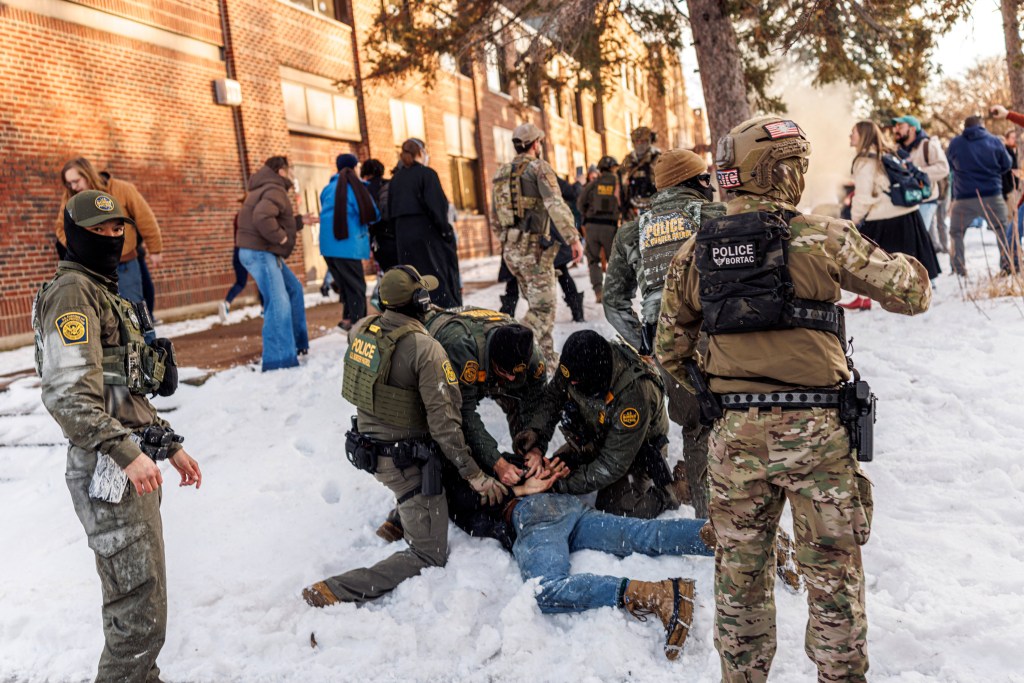
Shadows in the Classroom: How Immigration Enforcement is Fracturing Student Lives and School Communities
The hushed anxieties of students are echoing louder in classrooms across the nation, a direct consequence of stepped-up immigration enforcement operations. Educators are witnessing firsthand the profound psychological toll on children whose families are targeted, leading to a cascade of issues that threaten not only individual futures but the very fabric of our schools.
A Wave of Fear Gripping Our Schools
Across urban, suburban, and rural landscapes, a surge in immigration enforcement actions has sent ripples of distress through communities. These operations, often involving home raids and arrests, are leaving thousands of school-aged children grappling with fear and uncertainty. The impact extends far beyond the immediate moment of separation, casting a long shadow over their mental well-being and future prospects.
The tireless efforts of educators to foster learning and stability are being undermined by these disruptive practices. What's more, the financial resources dedicated to public education are being indirectly squandered as schools navigate the fallout. It is a critical moment demanding a more compassionate and protective approach for these vulnerable students.
The Unseen Scars of Enforcement
The trauma inflicted by immigration enforcement is not abstract; it manifests in tangible ways within the school environment. Educators report children arriving at school in tears, their young minds burdened by the fear of losing loved ones. These experiences can create a state of hypervigilance, leaving children perpetually on edge.
This pervasive fear can lead to a chilling effect, causing both immigrant and U.S.-citizen children to withdraw from school. The sense of safety, so crucial for learning, is eroded. As one educator poignantly stated, "We have to think about the moral path here, and what’s right for kids."
Economic Instability and Family Disruption
Beyond the immediate emotional distress, deportations trigger significant economic instability for families. The removal of a parent, often the primary breadwinner, can plunge households into financial crisis. This disruption forces families into precarious situations, sometimes leading to forced relocation and further instability.
The educational journeys of children, including those who are citizens, are profoundly impacted. The sudden absence of a parent creates a void that affects not only the home environment but also a child's ability to focus and thrive in school. The ripple effects of these enforcement actions are far-reaching and deeply damaging.
Eroding Trust, Fostering Isolation
A concerning byproduct of increased enforcement is the erosion of trust between immigrant families and educational institutions. Parents, understandably fearful of drawing attention to themselves, become hesitant to share vital information with schools. This leads to increased isolation for both parents and children.
In many communities, families are experiencing a silent exodus, either self-deporting to evade detection or living in constant fear of discovery. Students report to their teachers that they are leaving or not attending school, expressing profound uncertainty about their futures. This creates an environment where schools must constantly prepare for unexpected disruptions to instruction.
The Strain on Educators: Beyond the Curriculum
Educators are finding themselves on the front lines, not just of instruction, but of emotional support for students experiencing immense trauma. The sheer weight of witnessing these experiences is taking a significant toll on teachers themselves, leading some to report feeling overwhelmed and emotionally drained.
The role of an educator is expanding beyond traditional academic responsibilities. Many teachers are now acting as advocates, witnesses in immigration proceedings, and sources of crucial support for families navigating complex legal systems. This expanded role, while born of necessity, places an immense burden on already stretched resources.
Mobilizing for Support and Safety
In the face of these challenges, educators are mobilizing in innovative and courageous ways. They are participating in legal challenges, organizing community walks to ensure safe passage for children and parents, and providing essential resources like food and clothing to families in need.
Furthermore, educators are offering letters of support and testimony for families facing immigration hearings. These actions demonstrate a deep commitment to the well-being of their students, even as they grapple with the emotional fallout of the current climate.
Navigating the Storm: A Call for Systemic Support
The current immigration policies and enforcement tactics are creating significant disruptions for schools and the vital work they do. The cornerstone of education should be academic achievement, not the pervasive fear that is currently gripping many student populations.
Schools must be equipped to address the emotional toll on educators. Providing mental health services for teachers who are supporting traumatized students is paramount. This will allow them to continue their essential work without succumbing to burnout.
Empowering Educators, Protecting Students
To effectively support immigrant students and families, educators require specialized professional development. Training on navigating the complexities of immigration and legal systems will empower them to provide better guidance and resources.
Creating safe spaces within schools for open discussion about the traumatic incidents that children and families are enduring is also crucial. These conversations can foster healing and a sense of community.
Forging Community Partnerships for Resilience
Schools cannot bear this burden alone. Strengthening connections with local partners and community organizations is essential. These collaborations can provide families with access to vital resources such as legal aid, safe passage programs, and culturally relevant support services.
By working together, schools and communities can build a stronger safety net for immigrant families. This collective effort is vital to ensuring that all children have the opportunity to learn, thrive, and reach their full potential, free from the shadows of fear and uncertainty.




 Explore AI Teaching Tools
Comments (0)
Please login to comment
No comments yet
Be the first to comment on this article