
Imagine a classroom where every whispered word, every excited exclamation, and every thoughtful question from a young child is not just heard, but meticulously measured. This isn't a scene from a futuristic sci-fi film, but a growing reality in early childhood education, particularly in places like Nebraska, where innovative technology is being deployed to unlock the power of language for our youngest learners. The implications for educators are profound: a data-driven approach to understanding and enhancing the very foundation of literacy.
Nebraska’s Bold Experiment: ‘Talk Pedometers’ Tune Up Early Language Skills
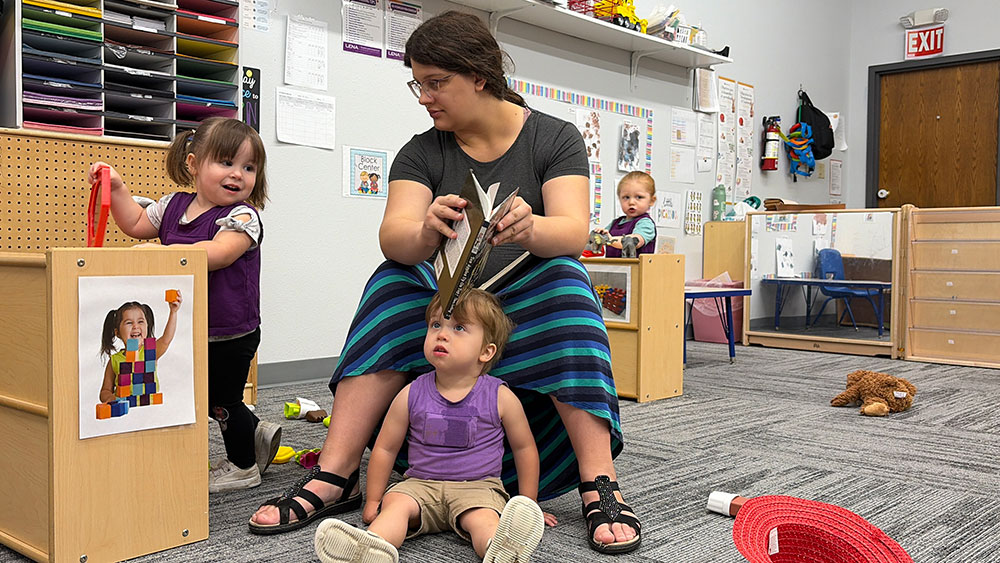
In a quiet corner of Norfolk, Nebraska, a group of energetic 2- and 3-year-olds are sporting a new accessory: purple vests with a surprising secret. Hidden within each vest is a small recording device, a so-called "talk pedometer," designed to capture the ebb and flow of their daily conversations. This initiative, part of a five-week program at the Northeast Community Action Partnership Early Head Start, aims to quantify and improve teacher-child interactions.
The technology, provided by the national nonprofit Lena (Language Environment Analysis), goes beyond simply recording sound. It analyzes the crucial element of "conversational turns"—the dynamic, back-and-forth exchanges that are the bedrock of early language development. By understanding these interactions, educators are gaining unprecedented insights into how to foster richer, more meaningful communication with the children in their care.
"The way to improve literacy is actually to invest in and support language development in these early years. The more back and forth you can get in a particular conversation, the better children are able to pick up on the language that you're using."
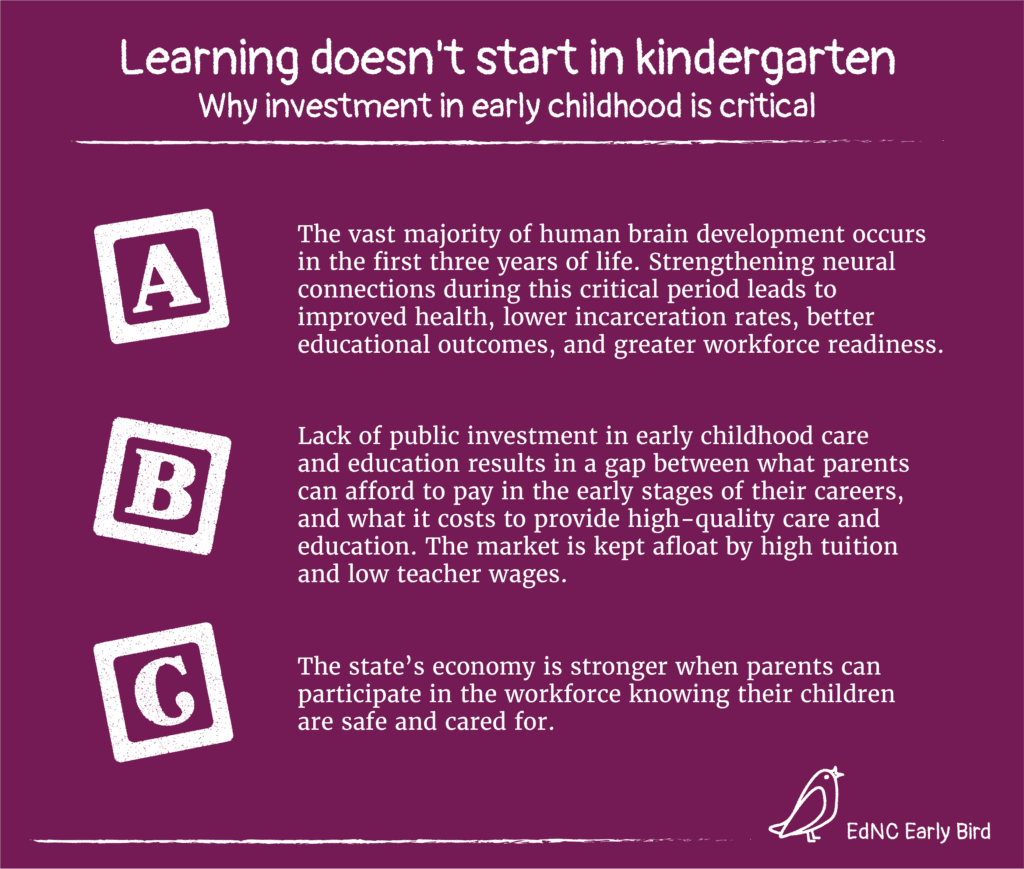
This statewide implementation in Nebraska, supported by a significant federal grant, marks a pivotal moment in early childhood education. It underscores a growing recognition that the quality of language exposure in the earliest years has a direct impact on a child's future academic success. The program is not just about counting words; it's about understanding the quality and quantity of engagement.
The Science Behind the Sound: Why Conversational Turns Matter
For decades, educators and researchers have grappled with how young children best acquire language. The once-popular notion of the "30-million-word gap" has evolved, with current research emphasizing the *quality* of linguistic interactions over sheer volume. It’s the responsiveness, the engagement, the "serve and return" nature of conversations that truly fuels cognitive growth.
These "conversational turns," as defined by Lena, are the building blocks of literacy. They represent the active participation of both the child and the adult, creating a reciprocal learning environment. When children experience a high number of these turns, their language skills, social development, and even IQ scores tend to flourish.
A recent analysis of children using the Lena Grow program revealed a significant increase in these vital exchanges. This data is not just academic; it provides tangible evidence of the program's effectiveness and offers a clear pathway for educators to improve their practice.
From Data to Dialogue: How Lena Grow Empowers Educators
The Lena Grow program is designed to be a powerful professional development tool. After a day of recording, the data is analyzed, providing educators with a clear picture of their classroom's conversational landscape. This is where the real transformation begins, guided by Lena coaches.
These coaches work with teachers to identify specific areas for improvement. This might involve noticing dips in conversation during certain times of the day or recognizing that some children, despite being vocal, aren't engaging in true conversational turns. The feedback is actionable and tailored to the unique needs of each classroom.
For instance, teachers are encouraged to adopt strategies like commenting on what a child is doing, naming their interests, waiting for responses, and getting down to their eye level for face-to-face interaction. These seemingly small adjustments can lead to substantial gains in language development.
Putting Theory into Practice: Real-World Success Stories
The impact of Lena Grow is already being felt in Nebraska classrooms. Teachers like Cassie Niedig in Norfolk have found the data eye-opening. She discovered that despite her best intentions, she was not engaging as much with certain children, including a nonverbal 3-year-old named Elvis, as she thought. The vests helped her see that even with her most vocal child, the interactions weren't always true conversational turns.
Similarly, at Dodge County Head Start in Fremont, Nebraska, the vests were met with enthusiasm. One young boy even likened the recorder to Iron Man's arc reactor, feeling empowered by the technology. This positive reception is crucial for the success of any new program, especially with young children.
The program also extends its reach beyond the classroom. Teachers are encouraged to share information and strategies with families, fostering a collaborative approach to language development that continues at home. This holistic perspective ensures that the benefits of increased conversational turns are amplified.
The Broader Impact: Literacy, Learning, and Future Readiness
The ultimate goal of initiatives like Nebraska’s Lena Grow program is to build a strong foundation for lifelong learning. By improving early language skills, these programs aim to boost literacy scores, particularly on assessments like Teaching Strategies Gold (TS Gold), which are critical for kindergarten readiness.
The data from other states where Lena Grow has been implemented shows promising results, with improvements in language and literacy scores observed in Wisconsin, Florida, Ohio, and Washington, D.C. This track record provides a compelling case for its expansion and continued investment.
As these children transition into kindergarten and beyond, the benefits of enhanced conversational skills are expected to resonate. The hope is that this early intervention will lead to greater academic achievement, setting them on a path to success in third grade and beyond.
Looking Ahead: Expanding the Reach of Language-Rich Environments
The success of the Nebraska initiative is a testament to the power of targeted, data-driven professional development in early childhood education. The program's focus on conversational turns directly addresses the nuanced understanding of language acquisition that modern research emphasizes.
As more states and districts recognize the profound impact of early language environments, programs like Lena Grow are poised to become even more vital. The investment in these foundational skills is an investment in the future success of every child.
For educators seeking to enhance their own teaching practices and create more dynamic learning experiences, exploring tools that support engagement and interaction is key. Whether it's through innovative technology like talk pedometers or through robust digital platforms offering resources for AI lesson plan creation and classroom games, the focus remains on fostering rich, conversational learning environments. The journey to improved literacy begins with the power of the spoken word.



 Explore AI Teaching Tools
Comments (0)
Please login to comment
No comments yet
Be the first to comment on this article