
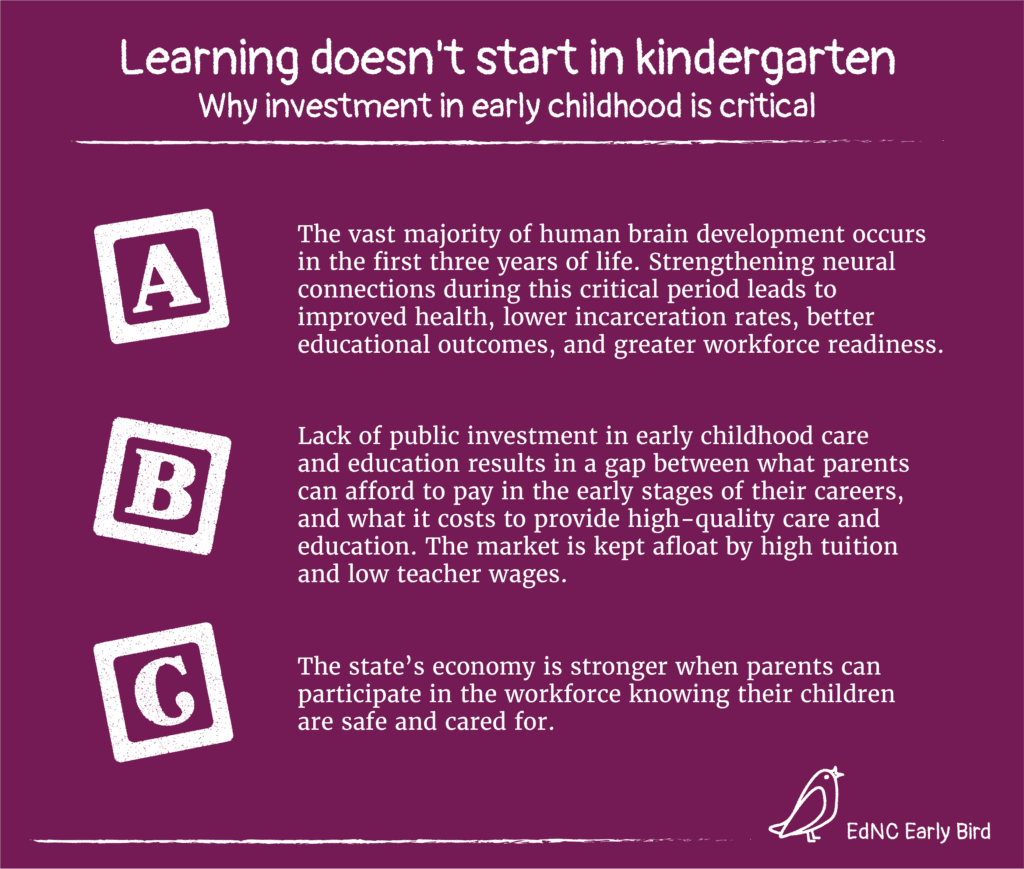
The alarming reality facing countless early childhood centers is stark: a critical funding shortfall is pushing vital childcare programs to the brink of closure. This isn't just about keeping doors open; it's about sustaining the very infrastructure that supports working families and provides essential early education for our youngest children. For educators and policymakers alike, understanding the depth of this crisis and the proposed solutions is paramount.
Childcare Centers Face an Existential Funding Crisis
Across North Carolina, a wave of closures and lengthy waitlists paints a grim picture for the childcare sector. Centers that were once pillars of their communities are now struggling to survive, with insufficient subsidy funding being the primary culprit. This lack of financial stability directly impacts the availability and affordability of care for thousands of families.
Mary Moody, who purchased Silver Bluff Kids Early Learning Center in 2023, experienced this firsthand. Her center, like six others in western North Carolina at the time, faced closure due to inadequate subsidy reimbursements. The rising costs of operations, from groceries to insurance, are simply not being met by the current funding rates.
"The price of groceries, the price of supplies and materials, our insurance costs, like everything has increased… except our subsidy reimbursement rates."
This sentiment is echoed by many providers who are caught in a financial squeeze. The gap between the cost of providing high-quality care and the reimbursement rates from subsidy programs continues to widen, making it increasingly difficult to sustain operations.
Advocates Demand Urgent Funding to Stabilize the Sector
Childcare advocates are making a fervent plea for increased funding, specifically requesting $101 million in the current legislative session. This substantial investment is seen as crucial for not only preventing further closures but also for stabilizing the existing childcare infrastructure.
Leanna Martin, director of early childhood policy and research at NC Child, emphasizes that the immediate priority is to "sustain what we have" before even considering expansion. The current state of affairs, with a net loss of 262 licensed programs since the 2023 budget, underscores the urgency of this request.
Governor Josh Stein’s office has acknowledged the crisis, proposing $20 million in his "critical needs budget" to boost subsidy reimbursements. However, advocates argue that this is a mere drop in the bucket compared to the scale of the problem.
Dan Rockaway, president of the NC Licensed Child Care Association, highlights the fundamental role of childcare in supporting the workforce and keeping classrooms open. He stresses that for the system to truly function, subsidy rates must align with the actual cost of providing quality care.
The Lingering Impact of Pandemic Relief Fund Expiration
The expiration of pandemic relief funding in March 2025 has exacerbated the challenges faced by childcare programs. These funds were instrumental in helping providers increase teacher wages, a critical factor in staff retention. Without this supplemental funding, many centers are struggling to maintain competitive salaries.
Moody, for instance, has had to forgo hiring an additional "floater" to keep her existing staff’s wages at a sustainable level. She and her assistant director now fill in when teachers are absent, a practice that strains resources and impacts operational efficiency.
While tuition increases are an option, Moody recognizes that many parents cannot afford additional costs. This creates a difficult dilemma for providers who are committed to serving their communities but are constrained by financial realities.
The Waitlist Dilemma: Demand Outstrips Supply
The demand for childcare services far exceeds the available supply, leading to extensive waitlists for both families seeking care and for children to be enrolled in subsidized programs. This situation is a direct consequence of the funding shortfalls that have forced many centers to limit enrollment or close their doors.
In February 2026, over 55,000 children were receiving subsidies, yet more than 8,000 were on waitlists. This number fluctuated, but the trend indicated a persistent gap between need and availability.
The cessation of federal pandemic relief funding, specifically the American Rescue Plan Act (ARPA) funds, in September 2024 significantly reduced the number of children served by subsidized programs. To comply with federal regulations that prevent the removal of existing vouchers, North Carolina had to slow down enrollment, directly contributing to the growing waitlists.
The total available funding for childcare subsidies decreased significantly from June 2024 to September 2024, impacting the number of children who could be served.
For childcare centers to participate in subsidy programs, it must make financial sense. When reimbursement rates do not cover the cost of care, providers are forced to make difficult choices, often leading to fewer spots for subsidized children or outright closure.
Proposed Solutions: A Path Towards Sustainability
Recognizing the multifaceted nature of the childcare crisis, various bodies have been studying and proposing solutions. The North Carolina Task Force on Child Care & Early Education, established by Governor Stein, has put forth recommendations aimed at addressing both funding and policy challenges.
Key recommendations include establishing a statewide subsidy floor, providing childcare for childcare employees, and offering childcare options for public sector workers. The idea of an endowment, funded by multiple entities, has also been discussed as a potential long-term funding mechanism.
Henrietta Zalkind, director of the Down East Partnership for Children, asserts that incremental changes are insufficient to address the "free fall" the system is experiencing. She advocates for direct funding to increase teacher wages, pointing to the success of programs like the Child Care WAGE$ program.
The Critical Need for Increased Subsidy Rates
The core of the current crisis lies in the inadequacy of subsidy rates. Current rates cover less than half of the actual cost of providing quality care, according to data from the Division of Child Development and Early Education (DCDEE). This disparity is unsustainable for providers.
Advocates are pushing for a significant increase in these rates, with the $101 million request aiming to establish a floor rate for infants and toddlers. This floor rate would be based on a 2021 market rate study and would ensure that all facilities serving the youngest children receive a minimum reimbursement, closer to the actual cost of care.
The proposed increase would particularly benefit rural communities, where providers often receive lower rates. For example, in Randolph County, an increase of $600 per infant per month could be realized, nearly doubling the amount many rural providers receive for infant and toddler care. This targeted approach is seen as a practical and impactful way to support providers and increase access.
Increasing rates is not just about financial survival; it's about incentivizing participation in subsidy programs. When rates are too low, centers are forced to limit the number of subsidized children they accept or, in dire circumstances, close their doors. This directly impacts the availability of care for low-income families.
A Call for Investment in the Future of Childcare
The current situation demands a proactive and substantial investment in the childcare sector. The proposed $101 million is not merely an expenditure; it's an investment in the economic stability of families and the future development of children.
The long-term vision, as outlined by NC Child's research, involves a multi-step approach to eventually reimburse providers at the actual cost of care. This year's request is the first phase of a plan that could eventually total $380 million annually.
By ensuring that childcare programs are adequately funded, we can create a more stable and accessible system for all families. This includes supporting educators with fair wages and ensuring that the cost of care does not become an insurmountable barrier for working parents. The future of our communities depends on the health and vitality of our childcare infrastructure.
The ask for increased subsidy funding is a critical step towards ensuring that childcare programs can continue to provide essential care and education. This investment is not just about sustaining current operations; it's about building a stronger, more equitable future for children and families across the state. For educators looking for tools to enhance their teaching and classroom management, exploring resources like Mentofy AI teaching tools and engaging activities through MentofyCove classroom games can be beneficial, even as systemic funding challenges are addressed.




 Explore AI Teaching Tools
Comments (0)
Please login to comment
No comments yet
Be the first to comment on this article