
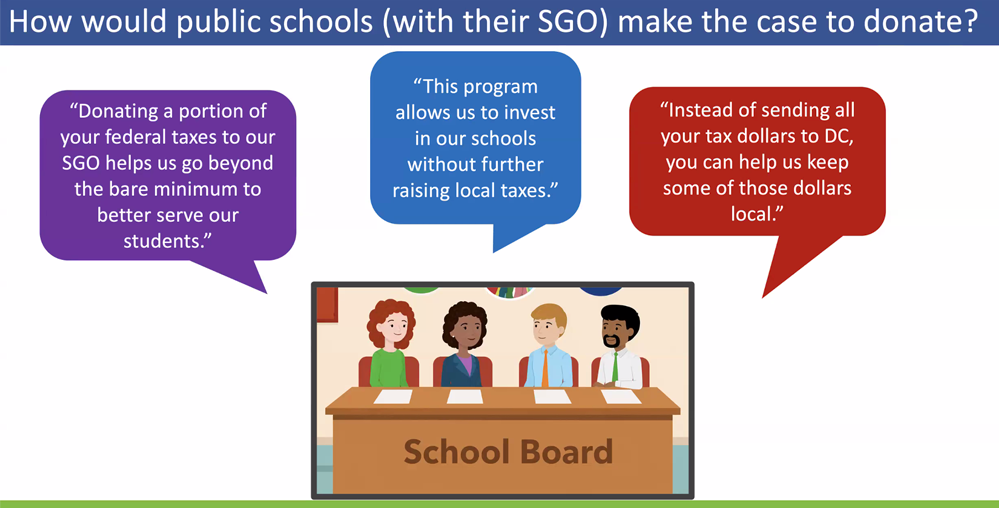
A new federal tax credit, initially framed as a private school choice initiative, is poised to inject significant new funding into public education. This unexpected development, stemming from legislation passed last year, presents a unique opportunity for school districts across the nation to supplement their budgets and enhance student experiences. While some remain skeptical, many public education advocates are now looking closely at how to leverage this program to benefit the 90% of students who attend public schools.
A Shift in Perspective: From Threat to Opportunity
For years, organizations dedicated to supporting public schools viewed federal initiatives that diverted funds towards private options with deep concern. The passage of the Education Freedom Tax Credit, part of President Trump’s “One Big Beautiful Bill Act,” initially sparked widespread alarm. Many feared it would represent the greatest federal threat to public education ever conceived, exacerbating existing inequalities.
However, a closer examination of the program’s structure, and subsequent clarifications from the Treasury Department, has begun to shift this narrative. Experts like Marguerite Roza, director of Georgetown University’s Edunomics Lab, are highlighting the potential for this credit to become a substantial new revenue stream for public school districts. This marks a significant departure from the initial, more defensive posture adopted by many in the public education sphere.
"Given that 90% of the kids in our country, and their families, have attended public schools, these SGOs could have … broader appeal, to the average taxpayer."
How the Education Freedom Tax Credit Works
The core of the program is straightforward: taxpayers can receive a dollar-for-dollar credit on their federal income taxes for donations made to Scholarship Granting Organizations (SGOs). The maximum credit available is $1,700 per year per taxpayer. These SGOs are designed to provide scholarships for educational expenses.
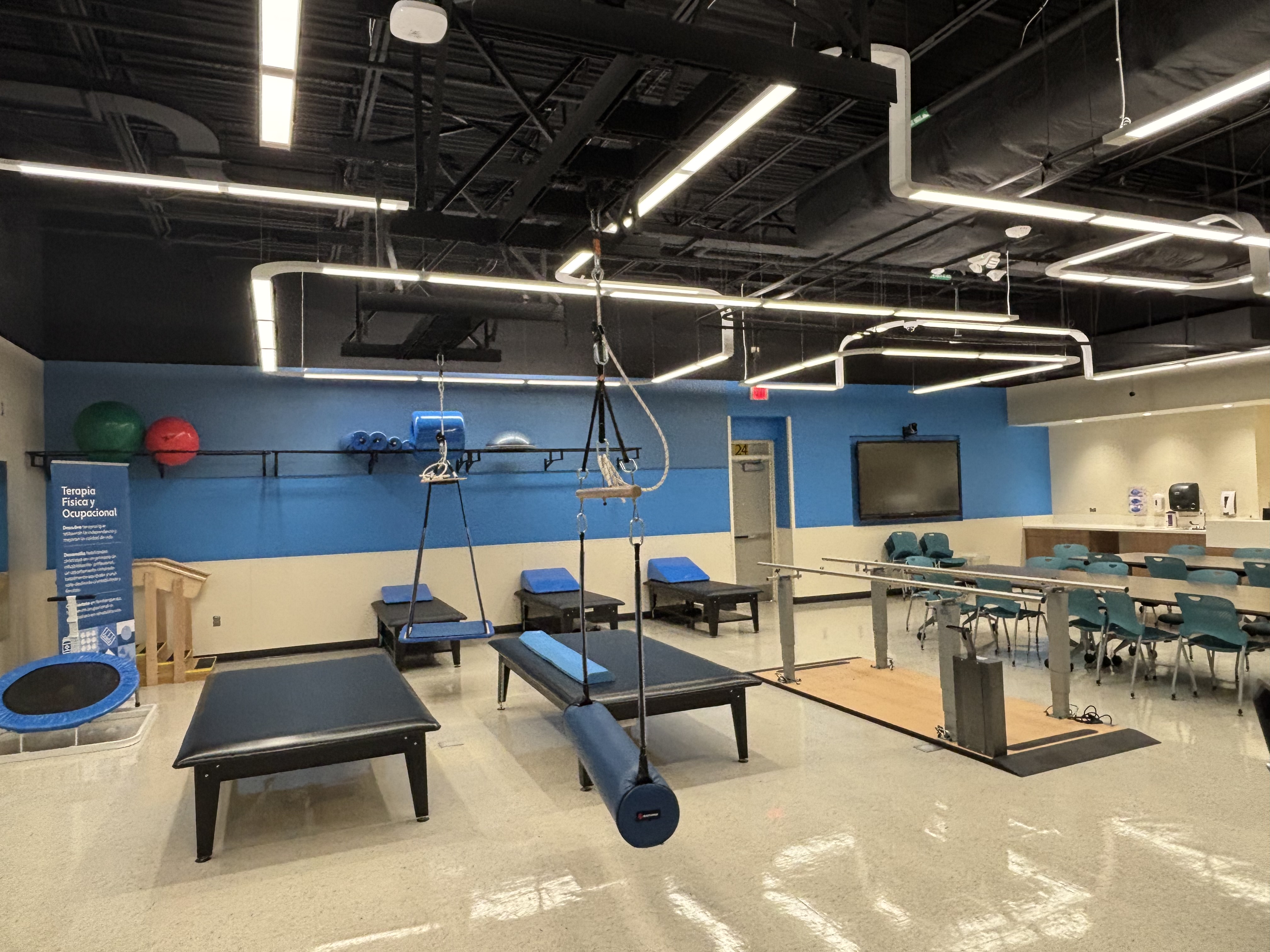
While the initial promotion focused on scholarships for private and religious schools, the Treasury Department has confirmed that public school students are indeed eligible. This opens the door for SGOs to direct funds towards a wide array of educational needs within public schools, including supplies, fees, field trips, uniforms, and digital devices. This broad eligibility is a key factor in the evolving optimism surrounding the program.
Unlocking New Resources for Public Schools
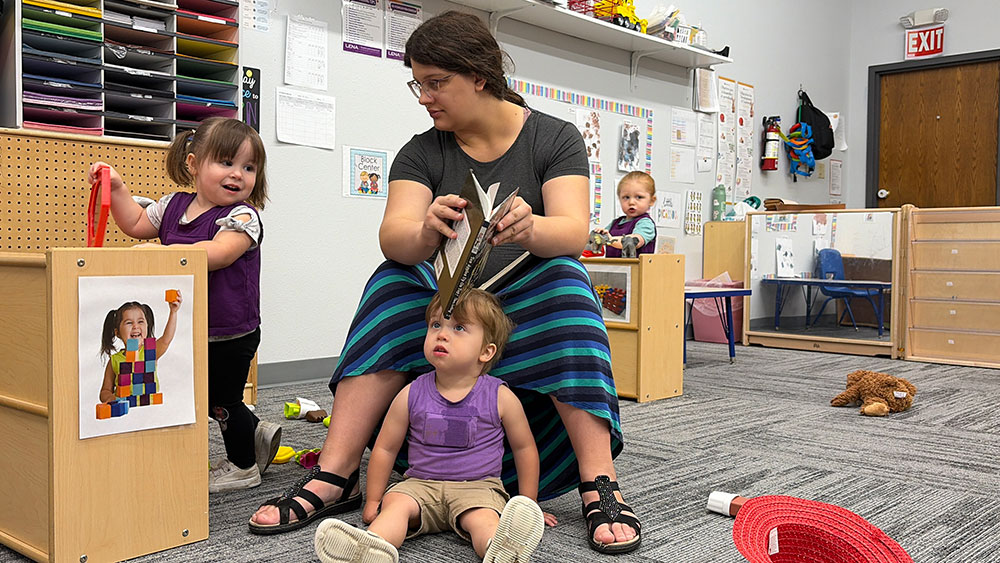
The potential impact on public schools is multifaceted. For districts that have struggled with funding for enrichment activities, the tax credit offers a pathway to supplement existing budgets. This could mean more robust afterschool programs, summer learning opportunities, or enhanced classroom resources that go beyond the basic curriculum.
Consider the current landscape of public education funding. Districts often rely on a combination of federal, state, and local sources, which can be unpredictable and insufficient. The Education Freedom Tax Credit introduces a potential fourth stream of funding, one that could be more stable and targeted to specific student needs.
Expanding Access to Enrichment and Support
Many public school foundations already work to bridge financial gaps by providing resources for students. The new tax credit could amplify these efforts significantly. Organizations that have historically focused on fundraising for specific projects or needs could now operate as SGOs, directing taxpayer contributions towards a wider range of educational expenses.
This is particularly relevant for students who may not have access to the same level of extracurricular or supplemental educational opportunities as their peers in more affluent districts. The tax credit offers a mechanism to begin leveling that playing field, ensuring that all students have the chance to benefit from a well-rounded education.
A 2024 survey of 1,200 K–12 educators indicated that over 70% of public schools struggle to fund essential enrichment programs like arts, music, and STEM activities.
Navigating the Regulatory Landscape
While the prospect of new funding is exciting, the successful implementation of the Education Freedom Tax Credit for public schools hinges on clear federal regulations and state participation. Thirty-one states have already opted into the program, but the specifics of how SGOs will be approved and monitored are still being finalized by the Treasury Department.
This uncertainty has led some to urge caution. Jessica Levin, litigation director for the Education Law Center, has voiced concerns that the program’s ultimate aim is to weaken public schools, and that the administration may not prioritize public school access. The details of the regulatory framework will be crucial in determining the extent to which public school students can truly benefit.
The Role of Scholarship Granting Organizations (SGOs)
SGOs will be the conduits for these new funds. For public school supporters, the challenge will be to establish and operate SGOs that are transparent, accountable, and focused on maximizing benefits for students. This may involve learning from the established practices of SGOs that have historically served private schools.
The National Association of Education Foundations, for instance, sees this as an opportunity to align with the program's goals. Mike Taylor, CEO of the association, noted that many of the expenses the tax credit can cover are precisely those that public education foundations already help fund. This suggests a natural synergy between existing support structures and the new federal initiative.
Strategic Planning for Public School Districts
For school districts, the key will be proactive engagement and strategic planning. Understanding the evolving regulations and identifying potential SGO partners will be paramount. This is not a time for passive observation; it requires active participation in shaping how these funds are utilized.
Districts could consider several key steps:
- Familiarize themselves with the federal guidelines as they are released by the Treasury Department.
- Identify existing public school foundations or non-profits that could potentially operate as SGOs.
- Develop proposals for how tax credit funds could be used to enhance student learning and support educational initiatives.
- Engage with state education departments to understand state-specific regulations and approval processes for SGOs.
- Communicate the opportunities and benefits of the tax credit program to local communities and potential donors.
Tools like Mentofy AI teaching tools, including its robust lesson planning features and exam creator, could help districts quickly develop proposals and educational materials that align with the goals of potential SGOs. Similarly, understanding student grouping with MentofyGroups can help districts articulate how funds would be equitably distributed.
Addressing Concerns and Ensuring Equity
Despite the growing optimism, legitimate concerns remain. Critics argue that the program could still disproportionately benefit wealthier districts, widening existing financial gaps. This is a valid point, as the ability of SGOs to attract significant donations may vary greatly by community.
Furthermore, the logistics of managing scholarships and ensuring equitable access for all students will require careful consideration. The Treasury Department's final rules will be critical in setting guardrails to prevent the program from exacerbating inequalities rather than alleviating them.
The Importance of Transparency and Accountability
Cecilia Retelle Zywicki, founder of LearningSpring, emphasizes that while the opportunity is significant, compliance and accountability are paramount. The success of this program for public schools will depend on outstanding management and unbiased information from the SGOs involved.
For educators and administrators, this means advocating for clear reporting mechanisms and ensuring that funds are used directly for student benefit. This is where innovative platforms can play a role. For example, MentofyCove classroom games, such as live quiz and trivia game options, could be funded through SGOs to provide engaging learning experiences that supplement traditional instruction.
The potential for this federal tax credit to become a powerful engine for public school improvement is undeniable. While challenges and skepticism persist, the evolving understanding of its applications suggests a promising future. By embracing innovation, strategic planning, and a commitment to equity, public school advocates can harness this new financial resource to better serve the nation's students.




 Explore AI Teaching Tools
Comments (0)
Please login to comment
No comments yet
Be the first to comment on this article