
A proposed $60 million cut to Washington D.C.’s Early Childhood Educator Pay Equity Fund could dismantle a groundbreaking initiative that has significantly boosted the salaries of early educators. This move, if enacted, would not only jeopardize the livelihoods of thousands of dedicated professionals but also threaten the stability and quality of early childhood care across the city, forcing educators to choose between their passion and their financial security.
The Promise of Pay Equity and the Threat of its Demise
For nearly two decades, Ashley Ross has poured her heart into her work at Gan HaYeled, an early childhood program in Northwest D.C. Her dedication led to a recent promotion, splitting her time between teaching pre-K and supporting fellow educators. While she’s seen gradual pay increases over the years, the real turning point came in 2022 with the implementation of the D.C. Early Childhood Educator Pay Equity Fund.
This visionary program aimed to align early educator salaries with those of K-12 public school teachers, a crucial step toward valuing a profession often relegated to the margins of the education landscape. For Ross, this meant a significant boost, from around $47,000 after earning her associate degree in 2021 to approximately $67,000 today. This newfound financial stability has allowed her to achieve major life milestones, including homeownership and providing her children with enriching after-school activities.
"The Pay Equity Fund — the first program of its kind in the United States — has been lauded as a model for improving early educator retention, creating stability for a traditionally underpaid workforce largely made up of women, many of them women of color, in an industry with one of the highest turnover rates in the country."
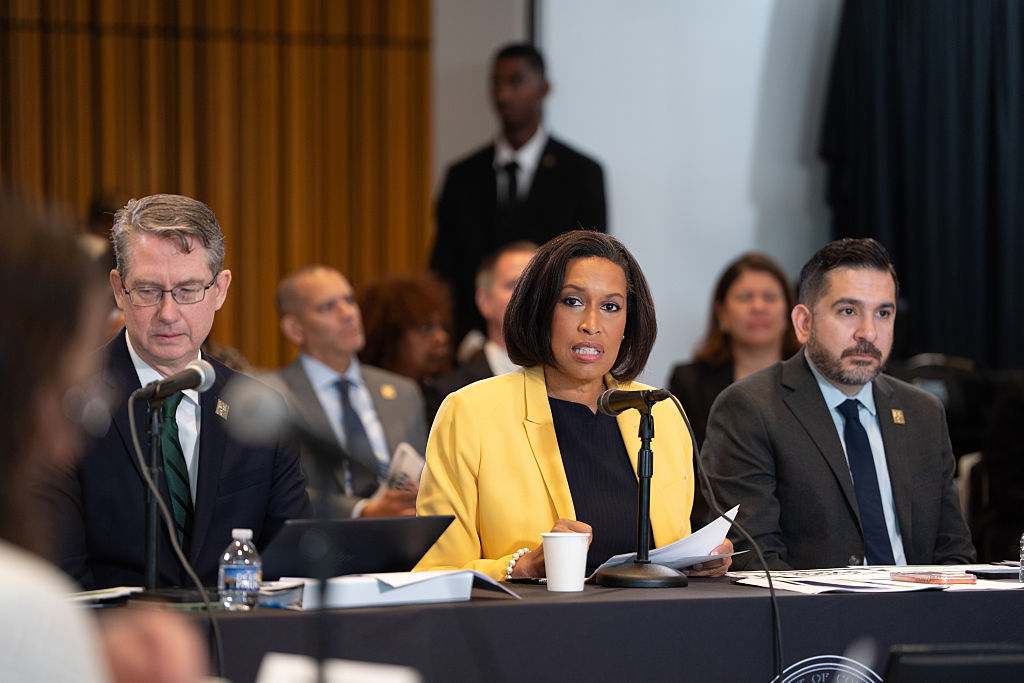
Despite its success and widespread support from educators and advocates, the Pay Equity Fund now faces an existential threat. Mayor Muriel Bowser’s proposed budget includes a substantial cut, aiming to eliminate the wage supplements that have been a lifeline for early educators. The Mayor argues that the fund is more of an income support for workers than a child care affordability solution, a perspective that overlooks the profound impact of fair compensation on the entire child care ecosystem.
The Ripple Effect of Underfunding on Dedicated Educators
Ashley Ross is just one of over 3,000 early educators in D.C. who stand to be profoundly affected by this proposed cut. Without the supplemental income from the Pay Equity Fund, her salary would plummet to a level that would make her long commute from Prince George’s County, Maryland, economically and logistically unfeasible. Her experience, education, and credentials would likely secure her a more stable and better-compensated position within the public school system closer to home.
“Yes, everyone loves the Gan,” Ross states, referring to her workplace. “It’s a special place. But everyone has to live in the real world. They have to pick between the love for their job or their income. Without pay equity, it doesn’t make any sense.” The uncertainty surrounding the fund’s future forces difficult conversations about long-term career plans and the very real possibility of leaving a profession they are deeply committed to.
LaVonda Butler-Means, an assistant teacher at the same program, echoes this sentiment. Her salary jumped from $43,000 to over $50,000 in the first year of the Pay Equity Fund. This financial encouragement spurred her to enroll in an accelerated program for an associate degree, an investment of approximately $26,000 of her own money. Her goal was to become a lead teacher, a promotion that would come with a $10,000 raise.
“There is no way I can go back to make what I was making and sustain life,” Butler-Means declares, highlighting the precarious financial position many early educators find themselves in. The prospect of losing the gains made through the Pay Equity Fund would not only negate her educational investment but also force her to seek employment elsewhere, disrupting her career trajectory and her ability to provide for her family.
The Evolving Landscape of the Pay Equity Fund
Established through the District’s budget and administered by the Office of the State Superintendent of Education, the Pay Equity Fund has undergone several iterations since its inception. Initially, it provided direct, one-time payments to eligible educators, with some receiving up to $14,000 in its first year. In 2023, the model shifted to quarterly payments of up to $3,500.
The most recent evolution, for 2024, saw licensed child care programs that met specific requirements opting into a payroll formula, rather than educators applying individually. This voluntary program was designed to empower providers with a tool to enhance recruitment and retention by offering more competitive wages. The reach has been substantial, with over $80 million distributed in the first two years and more than $67 million allocated to 365 child care facilities in 2024.
This isn’t the first time the fund has faced budgetary challenges. In April 2024, a similar proposal to eliminate the program was met with significant public outcry, leading the D.C. Council to restore $70 million. However, advocates cautioned that increased participation necessitated even greater funding to maintain its impact. A task force convened in response led to the Early Childhood Educator Pay Scales Amendment Act of 2025, which aimed to lower salary minimums, a move that some saw as a step backward.
The Unseen Value of Early Childhood Education
Jamal Berry, president of Educare DC, points out a fundamental challenge in sustaining funding for initiatives like the Pay Equity Fund: the delayed realization of their full impact. While the benefits of high-quality child care are well-documented across a child’s educational journey, these long-term outcomes don’t always translate into immediate political wins.
However, leaders at participating programs consistently report tangible benefits. Noah Hichenberg, director of Gan HaYeled, credits the Pay Equity Fund with significantly elevating the quality of care and stabilizing his workforce. Since the fund’s inception, 23 out of 27 educators at Gan HaYeled have remained for over three years. He anticipates that offering lower salaries post-cut would make hiring incredibly difficult, leading to a more volatile environment for young learners.
"Its’ not just a burden or headache, it's a more volatile experience for our youngest learners."
Ronnell Nathaniel, vice president of Educare DC, notes a similar trend of reduced staff turnover and increased pursuit of further education among her staff. While teachers have shared stories of purchasing their first homes, the ongoing funding instability creates a pervasive sense of insecurity. “The inconsistency is every year. You have to be concerned about that.”
The Critical Need for Sustainable Funding Solutions
Anne Gunderson, a senior policy analyst at the D.C. Fiscal Policy Institute, emphasizes that the Pay Equity Fund's growing cost is a direct result of its success. Increased participation means more educators are enrolling, staying in their positions, and pursuing further education, aiming for higher earning potential. This growing utilization, she notes, should be celebrated, not seen as a budgetary burden.
Gunderson anticipates that the elimination of the fund would disproportionately affect programs serving infants and toddlers, which are inherently more expensive to operate due to higher staffing ratios. Without a dedicated funding stream, each budget cycle becomes a precarious balancing act, forcing difficult decisions about which essential programs to prioritize.
To be fully funded for fiscal year 2027, the Pay Equity Fund would require an estimated $92.4 million. The program’s growth in popularity and participation, while a testament to its effectiveness, has outpaced its current financial allocation. This situation highlights a critical disconnect between recognizing the value of early childhood educators and providing the financial infrastructure to support them.
The situation underscores the broader challenge of valuing professions that are foundational to societal well-being but often lack robust, consistent financial backing. The success of the Pay Equity Fund demonstrates a clear path forward, but its potential elimination serves as a stark reminder of the ongoing struggle for adequate investment in the early childhood sector.
Advocates Rally to Protect a Vital Program
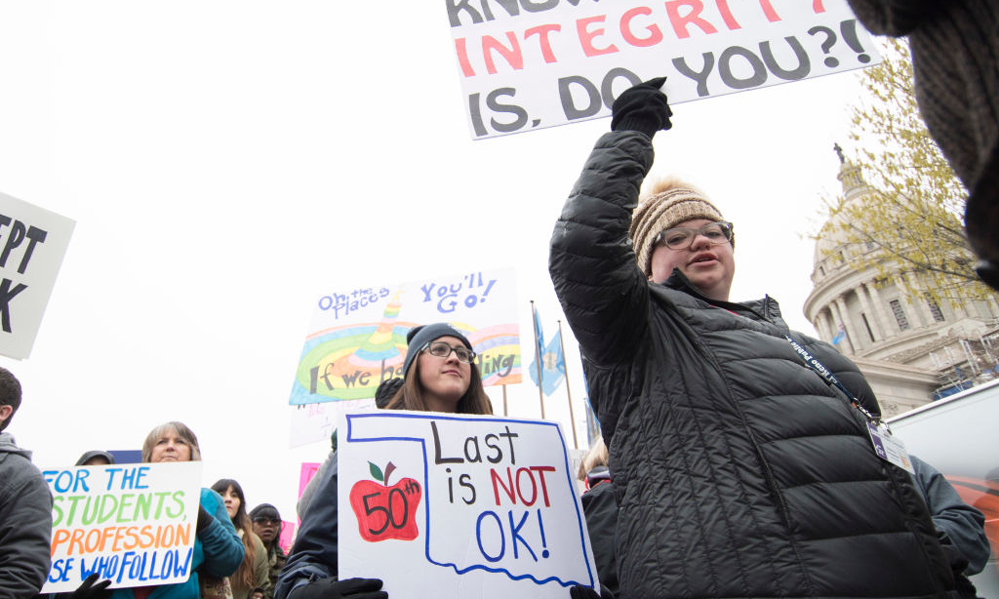
As the budget process unfolds, advocates are mobilizing to safeguard the Pay Equity Fund. Educators and supporters have already engaged in protests, underscoring the critical importance of this initiative. The upcoming "Day Without Child Care" is intended to visually demonstrate the impact of these services and the potential void left by underfunded programs.
However, galvanizing support this year presents a different challenge. LaDon Love of Spaces in Action, a grassroots advocacy organization, notes that many educators believe the major fight to save the fund is in the past. The realization that their salaries are once again on the line is a difficult one, compounded by the fact that some parents may not fully grasp the implications of these cuts on the educators who care for their children.
Several potential avenues are being explored to secure the fund's future. One promising approach involves establishing a dedicated, long-term funding stream, similar to models adopted by states like Vermont. Another proposed solution is the implementation of a new Business Activity Tax in D.C., a broad-based value-added tax on businesses that could generate significant revenue for social services, including the Pay Equity Fund.
While these long-term solutions offer hope, the immediate threat of pay cuts looms large for educators like Ross and Butler-Means. The possibility of a sustained income reduction could force them to leave their current roles, even with the promise of future funding stability. The immediate impact of such a loss could be devastating for individuals and the early childhood sector as a whole.
Despite the immense challenges, the Pay Equity Fund has undeniably achieved something remarkable. As Noah Hichenberg observes, “The Pay Equity Fund has given all of us a gift of what is possible when pay is raised, and that has been beautiful to see.” The gains in workforce stability, teacher satisfaction, and improved work-life balance are tangible benefits that have allowed programs to focus on enhancing the quality of education and providing smoother transitions for families.
The Pay Equity Fund has been the bedrock of this progress, enabling educators to thrive and programs to excel. Its potential elimination raises critical questions about our society’s commitment to valuing the foundational work of early childhood educators and ensuring a stable, high-quality care system for all children. The ongoing debate highlights the complex interplay between budget priorities, economic realities, and the profound societal impact of investing in our youngest citizens and those who nurture them.






 Explore AI Teaching Tools
Comments (0)
Please login to comment
No comments yet
Be the first to comment on this article