
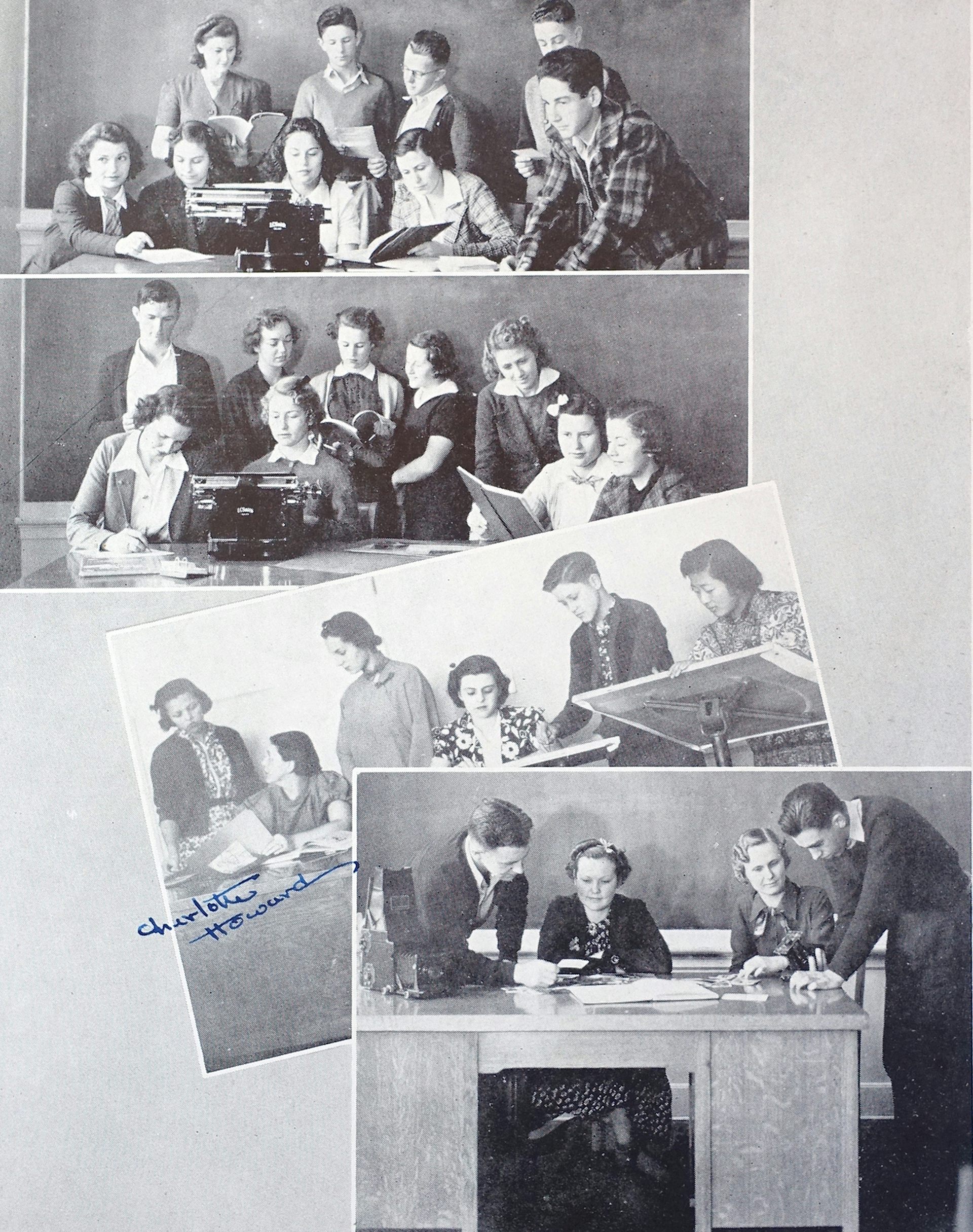
High school yearbooks, a tradition stretching back over 160 years, are often seen as nostalgic relics in our fast-paced digital world. Yet, for many students, these annual compilations remain deeply meaningful, serving as tangible keepsakes of friendships and shared experiences. However, a closer examination reveals that yearbooks frequently present an incomplete, often sanitized, narrative of school life, glossing over significant challenges and the experiences of marginalized students. This selective portrayal has profound implications for how we understand the past and present of our educational institutions.
Yearbooks Paint a Rosy Picture, Omitting Hard Truths
While yearbooks undoubtedly capture moments of joy and accomplishment, they frequently omit the difficult realities faced by students and communities. My extensive study of over 120 years of Salinas High School yearbooks, for instance, revealed striking silences regarding major historical events.
The Salinas yearbooks from the 1930s, a period marked by the Great Depression and significant agricultural labor strikes that inspired John Steinbeck's literature, made no mention of these pivotal events. Similarly, the Vietnam War and subsequent anti-war movements, along with later conflicts in Afghanistan and Iraq, were largely absent from the pages of these annual records.
"Over the years, yearbooks have mostly skipped the pain of high school and focused instead on the pleasure. They shine a spotlight on sports, cheering and public rituals like all-school rallies and homecoming week."
This tendency to focus on the positive, while understandable from a desire to create celebratory keepsakes, means that yearbooks often fail to reflect the full spectrum of student experiences. They tend to highlight popular students, athletic achievements, and social events, leaving little room for the struggles and complexities that many students navigate.
The Illusion of Nostalgia: A Selective Memory
The appeal of yearbooks is deeply tied to nostalgia, a powerful human tendency to idealize the past. This inclination is well-documented; national polls consistently show that a majority of people believe past generations were happier and more content.
Yearbooks often play into this by showcasing idealized versions of school life, sometimes even referencing past decades in themed events. For example, Salinas High yearbooks from the late 1970s and 1980s featured students participating in 1950s-themed dances, echoing the nostalgic portrayal of that era in popular culture.
However, embracing this nostalgia without critical reflection can obscure important social and historical contexts. The concept of "critical nostalgia" encourages us to acknowledge the pleasure of looking back while remaining aware of how schools have, at times, perpetuated or even exacerbated existing inequalities.
A Double Focus: Illuminating the Bright Spots and the Shadows
Adopting a critical nostalgia lens requires a dual perspective. First, it means recognizing what yearbooks typically showcase: the rallies, the cheerleaders, the academic stars, and the athletic heroes.
Second, and equally important, it involves identifying what sociologist Tillie Olsen termed "unnatural silences"—the voices, imagery, and activities of students who have been historically marginalized or excluded from the dominant narrative.
The Shifting Landscape of Girls' Sports
Examining Salinas High School yearbooks reveals a dynamic and often uneven history of social change. In the early 1900s, yearbooks depicted girls actively participating in interscholastic sports like baseball, track and field, volleyball, and basketball, often shown in school uniforms and treated with respect.
However, by the early 1930s, these images began to disappear. Girls' sports teams were absorbed into the Girls’ Athletic Association, an organization that promoted the idea that vigorous competition was unhealthy for girls. For decades, photos of girls participating in sports were often accompanied by captions that subtly disparaged their athletic abilities.
It wasn't until the mid-1970s, coinciding with the resurgence of women's rights movements, that competitive girls' sports teams were reinstated at Salinas. The yearbooks then began to reflect this change, offering more equitable and respectful coverage of these athletes. This evolution highlights how broader societal shifts directly impact the representation and recognition of students within the school environment.
The Erasure of Japanese American Students
Another stark example of yearbook silences comes from the spring 1941 and 1942 editions of the Salinas High School yearbook. These publications featured numerous photos of Japanese American students, who constituted about 14% of the student body, actively participating in all facets of school life.
Yet, by the time the 1942 yearbook was distributed, these same students and their families had been forcibly removed from their homes and temporarily housed at the Salinas Rodeo Grounds, later being transferred to internment camps during World War II.
The 1943 yearbook made no mention of the disappearance of these students. The editors offered no explanation for the absence of their classmates, effectively erasing a significant portion of the school community from the historical record. For current students in Salinas, engaging with these old yearbooks offers a powerful opportunity to explore the enduring legacies of racial and ethnic injustice.
Yearbooks as a Starting Point for Deeper Understanding
The insights gleaned from analyzing yearbooks extend far beyond a single school. Professors across the country are now guiding their students to explore university archives of yearbooks, using them as a rich starting point for investigating race, gender, and social relations within their own communities.
Students discover that the physical size, content, and organizational structure of yearbooks have evolved significantly over time. However, the underlying patterns—how schools construct a collective identity that benefits some students while simultaneously shaping and celebrating divisions—remain remarkably consistent.
This critical examination of yearbooks can be enhanced by leveraging modern educational tools. For instance, educators can use Mentofy AI teaching tools to develop engaging lesson plans that explore historical representation or to create AI grading rubrics for student analyses of yearbook content. Tools like MentofyCove classroom games can even be adapted to create interactive quizzes or word puzzles based on yearbook themes, making the learning process more dynamic.
- Identify Silences: Encourage students to look for what is *not* present in the yearbook, prompting questions about why certain groups or events might be excluded.
- Contextualize Content: Teach students to research the historical and social context surrounding yearbook production to understand the influences shaping its content.
- Compare and Contrast: Have students compare yearbooks from different decades or schools to identify shifts in representation and societal attitudes.
- Connect to the Present: Facilitate discussions on how historical omissions or inclusions in yearbooks might still resonate in contemporary school culture and society.
The yearbook, therefore, is not just a collection of happy memories. It is a complex historical document that, when viewed critically, can illuminate the ways schools have historically constructed narratives about student life, often prioritizing certain experiences while marginalizing others. This nuanced understanding is crucial for educators striving to create more inclusive and equitable learning environments today.
By engaging with the past through the lens of critical nostalgia, educators and students alike can move beyond a superficial appreciation of tradition. They can begin to uncover the deeper stories embedded within these seemingly simple annual publications, fostering a more comprehensive and honest understanding of the high school experience, both for the individuals featured and for the entire school community.







 Explore AI Teaching Tools
Comments (0)
Please login to comment
No comments yet
Be the first to comment on this article