
Beyond Decoding: Cultivating Deep Reading Comprehension for All Students
In educational settings nationwide, a perplexing trend is emerging: many students demonstrate proficiency in sounding out words but struggle to grasp the meaning, significance, or personal relevance of what they read.This disconnect between decoding and understanding highlights a critical need to re-evaluate our approach to literacy, particularly for our increasingly diverse student populations.
The ability to read is a foundational skill, but true literacy encompasses the capacity to engage with text on a deeper, more meaningful level.
The Comprehension Conundrum: Decoding Without Meaning
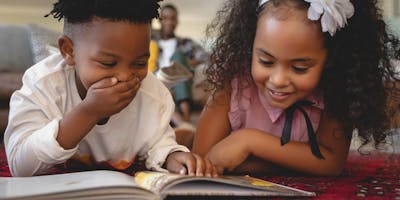
A common scenario unfolds when a young student, tasked with a reading activity, confidently identifies words but cannot articulate their meaning.This observation reveals a crucial distinction: the student can decode, or sound out, the words, but lacks the linguistic comprehension necessary to make sense of them.
The widely accepted "simple view of reading" posits that reading comprehension is a product of both decoding ability and language comprehension.
For multilingual learners, who are actively developing their English language skills, achieving robust language comprehension can present unique challenges.
National assessment data unfortunately reflects this growing concern, indicating a decline in reading comprehension outcomes across the country.
Reports show an increase in students scoring below proficiency levels, a trend that is particularly pronounced among historically underserved student groups, including African American, Hispanic, Native American, and multilingual learners.
This data underscores that even with a strong emphasis on foundational literacy skills, a significant portion of students continue to face hurdles in comprehending what they read.
The Imperative of Culturally and Linguistically Sustaining Practices
Today's classrooms are more diverse than ever before, with millions of students identifying as multilingual learners.However, many existing curricula are designed with a narrow, often monocultural and monolingual, perspective.
They frequently assume students come from similar backgrounds, which can inadvertently create barriers to comprehension.
Research consistently demonstrates that when educational materials reflect a student's racial, cultural, and linguistic identity, their engagement and understanding improve.
This is because culture profoundly shapes the oral language skills that are essential for comprehending written text.
When curricula fail to acknowledge and incorporate students' lived experiences and cultural knowledge, their ability to connect with and understand the material can be hindered, not due to a lack of aptitude, but due to a lack of relevance.
While reforms focused on the science of reading have made strides in improving decoding skills, these approaches have often been developed within a framework that overlooks the linguistic and cultural richness that multilingual learners bring to the classroom.
Curricula that are exclusively English-focused may not adequately support the development of vocabulary, complex language structures, or the building of background knowledge crucial for comprehension.
Consequently, students may appear proficient in decoding assessments while still struggling with deeper understanding, contributing to the widening comprehension gaps observed in national data.
Actionable Strategies for Enhancing Reading Comprehension
Despite these challenges, educators possess a wealth of effective strategies to foster genuine reading comprehension without abandoning foundational literacy principles.The key lies in broadening our definition of literacy to encompass more than just decoding and dedicating instructional time to developing robust language comprehension.
1.
Curate Culturally Representative Texts Selecting reading materials that resonate with students' identities is paramount.
Research involving African American, Latinx, Indigenous, and multilingual students consistently shows that literature affirming their backgrounds enhances comprehension, boosts motivation, and cultivates critical thinking skills.
Representation truly matters in fostering a positive and effective learning environment.
2.
Prioritize Daily Read-Alouds Daily read-alouds are an indispensable tool for building students' vocabulary, exposing them to complex sentence structures, modeling fluent reading, and establishing shared background knowledge – all vital components of reading comprehension.
It is beneficial to select read-aloud texts that are two to three reading levels above students' independent reading levels, providing them with opportunities to encounter and learn new vocabulary in a supportive context.
3.
Explicitly Teach Vocabulary Vocabulary acquisition is fundamental for students to construct background knowledge and develop linguistic comprehension.
Multilingual learners, and some students from lower socioeconomic backgrounds, may particularly benefit from visual aids and images to support their understanding of new words.
It is also important to recognize that students may be unfamiliar with even seemingly simple words.
Vocabulary instruction is most impactful when integrated seamlessly into lessons rather than treated as an isolated activity.
Thematic units that revisit and reuse vocabulary words provide students with repeated exposure and practice, reinforcing oral language development.
4.
Foster Collaborative Talk Structures Oral language development is intrinsically linked to language comprehension, which is a cornerstone of reading comprehension.
While foundational literacy programs often focus on decoding, students must actively engage in collaborative discussions, turn-and-talk activities, and shared inquiry to cultivate their language comprehension skills.
These interactions allow students to process ideas, articulate their thoughts, and build understanding together.
5.
Embrace Translanguging for Multilingual Learners Allowing multilingual learners to leverage their home languages as a resource for processing information, comparing concepts, and discussing texts can significantly deepen their comprehension.
This practice, known as translanguaging, is a powerful cognitive tool supported by extensive research in bilingual education.
Educators can facilitate this by identifying cognates (words with similar origins and meanings in different languages), teaching students how to use bilingual dictionaries or translation tools, and creating opportunities for students who share a home language to brainstorm and discuss ideas together.
The Crucial Role of Home and Community Partnerships
Addressing the literacy crisis requires a collaborative effort that extends beyond the classroom.Parents and community partners play an invaluable role in supporting students' literacy development.
Initiatives that provide families with resources to engage in reading with their children at home, regardless of their language proficiency, have shown remarkable success in boosting student motivation and improving reading comprehension.
Strategies for Home-School Connections:
* **Bilingual Books:** Providing access to books that are available in both English and a student's home language. * **Multilingual Reading Apps:** Utilizing digital tools that support reading in multiple languages. * **Family Literacy Nights:** Hosting events that bring families together to engage in literacy activities. * **Community Tutoring Partnerships:** Collaborating with local organizations to offer reading support. * **Take-Home Literacy Kits:** Assembling kits that include books, activities, and materials for families to use at home.One particularly effective classroom project involved a "Bilingual Book in a Bag" initiative.
Students took home a bilingual book, along with creative activities and a writing journal, to complete with their families.
The enthusiasm and growth observed in students' writing and comprehension demonstrated the profound impact of valuing children's languages and families in the learning process.
Conclusion
To truly enhance reading comprehension for all students, we must move beyond narrow interpretations of literacy instruction.While foundational skills like decoding are essential, they represent only the initial step.
True literacy requires the cultivation of oral language, the development of robust background knowledge, and the ability to make meaningful connections between text and students' identities, cultures, and lived experiences.
By embracing culturally and linguistically sustaining practices, prioritizing language comprehension alongside decoding, and fostering strong home-school partnerships, we can create a more humanizing and effective approach to literacy that empowers every student to become a confident and capable reader.



 Explore AI Teaching Tools
Comments (0)
Please login to comment
No comments yet
Be the first to comment on this article