
Shadow Cars: How Criminals Forge Legitimate Identities for Stolen Vehicles
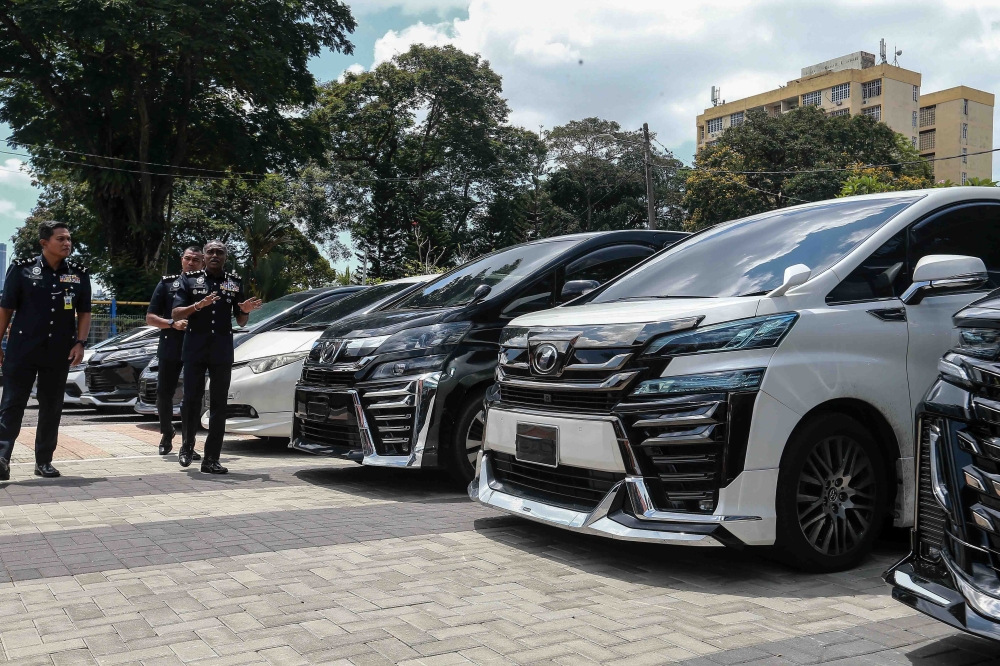
A recent high-profile police operation has pulled back the curtain on a sophisticated criminal enterprise that systematically transforms stolen vehicles into seemingly legitimate assets. This elaborate scheme, known as car cloning, preys on unsuspecting buyers and poses a significant threat to vehicle owners and the integrity of the automotive market.
Authorities are highlighting the alarming methods employed by these syndicates, urging the public to be vigilant. The crime, while not yet reaching epidemic proportions, carries severe consequences for all parties involved, from the original owners of the stolen cars to the individuals who unknowingly purchase these "ghost" vehicles.
The Art of Deception: Unmasking Car Cloning
At its heart, car cloning is a brazen act of identity theft, but for automobiles. Criminal organizations meticulously acquire stolen vehicles and then meticulously graft onto them the identities of legally registered cars of the exact same make and model.
This process involves more than just a superficial change. Syndicates painstakingly alter critical identifying markers, such as the chassis and engine numbers, ensuring they precisely match those of a legitimate vehicle. This is often followed by the creation of a complete set of forged documentation, including registration cards and road tax permits, to create an almost flawless facade.
To the untrained eye, and even during routine inspections, these cloned vehicles can appear entirely authentic, making detection a significant challenge for law enforcement and potential buyers alike.
Inside the Syndicate's Playbook: A Step-by-Step Operation
Investigations into a recent major bust, spearheaded by Bukit Aman Criminal Investigation Department Director Datuk M. Kumar, have revealed a highly organized and systematic approach employed by these criminal networks. Their operation is a multi-stage process designed to maximize deception and minimize risk.
Sourcing the Ghost Identity
The initial and perhaps most crucial step involves acquiring the unique identifiers of a legitimate vehicle. According to Datuk M. Kumar, a particularly vulnerable point of entry for these syndicates is the handling of vehicles declared a "total loss" after significant accidents. If original owners fail to properly deregister these write-offs with the relevant authorities, their vehicle's identity can be exploited.
Acquiring the Vessel
Once a "ghost" identity is secured, the syndicate then procures a matching vehicle to assume this stolen persona. In the recent operation, it was confirmed that a portion of the seized vehicles had been illicitly obtained from neighboring jurisdictions, underscoring the cross-border nature of this criminal activity.
The Surgical Transformation
This stage involves the physical alteration of the stolen vehicle. The original chassis and engine numbers are either expertly removed or deliberately obscured. New identification numbers are then meticulously re-stamped onto the chassis and engine block, often employing specialized chemical techniques to further conceal any evidence of tampering.
Crafting the Forged Credentials
With the physical identity altered, the syndicate then focuses on creating a complete set of counterfeit documents. This includes meticulously forged registration papers, license plates, and any other documentation required to present the vehicle as legitimate. The goal is to create a seamless narrative that withstands casual scrutiny.
The Deceptive Sale
The final stage involves introducing the cloned vehicle into the market, typically through intermediaries or unsuspecting used car dealerships. To expedite sales and avoid raising suspicion, these vehicles are frequently offered at prices substantially below their true market value. Furthermore, sellers often insist on cash-only transactions, as financing through official channels would trigger background checks that could expose the fraud.
A Stark Warning to Buyers: Ignorance is Not a Shield
A critical element of the police's public advisory is the stark reality that buyers of cloned vehicles can face significant legal repercussions, even if they claim complete unawareness of the vehicle's illicit origins. Datuk M. Kumar emphasized that individuals found in possession of stolen property are subject to severe penalties, including imprisonment and substantial fines under existing legislation.
He stressed that a plea of ignorance is rarely a sufficient defense, particularly when obvious warning signs are present and overlooked. The responsibility falls on potential buyers to exercise due diligence and question deals that appear too good to be true.
"We all have a collective responsibility as citizens," Datuk M. Kumar stated. "If someone presents you with a vehicle valued at RM200,000 for a mere RM100,000, that should immediately raise a red flag."
He further cautioned that buyers ultimately bear the brunt of the financial loss. When a cloned vehicle is identified during an investigation, it is invariably seized by the authorities, resulting in a complete financial write-off for the unsuspecting purchaser.
Spotting the Red Flags: Essential Precautions for Buyers
Law enforcement agencies have identified several key indicators that should serve as immediate warning signs for anyone considering purchasing a used vehicle. Recognizing these red flags can be the difference between a sound investment and a devastating financial loss.
- Unrealistically Low Price: The most prominent warning sign is a vehicle offered at a price significantly below its established market value. Criminals use this tactic to quickly attract buyers and bypass scrutiny.
- Cash-Only Transactions: Sellers who insist on cash-only deals and actively discourage or prohibit bank loans are often attempting to avoid the paper trail that financing creates. This is a major indicator of illicit activity.
- Suspicious or Incomplete Paperwork: A legitimate vehicle sale should involve complete and original documentation. Any inconsistencies, missing documents, or records that appear questionable should be treated with extreme caution.





 Explore AI Teaching Tools
Comments (0)
Please login to comment
No comments yet
Be the first to comment on this article