
Lead the Global Business Arena: Your Path to International Management Excellence
Embark on a transformative journey to become a leader capable of navigating the complexities of the international marketplace.This comprehensive guide explores how advanced studies in international management equip you with the essential skills to manage cross-border operations, drive global expansion, and foster multicultural collaboration.
Discover how a specialized university program can set you on a trajectory for impactful leadership roles in multinational corporations and international organizations worldwide.
Unlocking Global Opportunities: The Power of International Management Education
In today's interconnected world, the ability to manage across diverse cultural landscapes and economic systems is paramount.A robust education in international management provides the foundational knowledge and practical experience necessary to excel.
This field of study is designed to prepare individuals to lead teams, strategize market entries, and oversee intricate global supply chains with confidence and precision.
By delving into areas such as international negotiation, regulatory frameworks, foreign exchange dynamics, and culturally sensitive leadership, you gain a competitive edge in a rapidly evolving global business environment.
Developing Cross-Cultural Competence
Success in global business hinges on understanding and respecting diverse cultural norms.
Programs in international management emphasize developing this crucial competency, enabling you to communicate effectively, build rapport, and lead teams comprised of individuals from various backgrounds.
This fosters an inclusive environment where diverse perspectives are valued, leading to more innovative solutions and stronger team cohesion.
Strategic Foundations for Global Business Leadership
Pursuing a master's degree in international management offers a structured approach to mastering the intricacies of global commerce.Such programs are meticulously crafted to provide job-ready skills, ensuring graduates are well-prepared for the demands of multinational companies, consulting firms, and international governmental or non-governmental organizations.
The curriculum typically covers a broad spectrum of essential topics, equipping you with the tools to make informed decisions in complex, international settings.
Key Pillars of International Management Studies
Core components of an international management curriculum often include:
- Global Economic Analysis: Understanding macroeconomic trends, international trade policies, and their impact on business operations.
- International Law and Regulations: Navigating legal frameworks, compliance requirements, and intellectual property rights across different jurisdictions.
- Cross-Cultural Communication and Negotiation: Developing effective strategies for interacting and reaching agreements with stakeholders from diverse cultural backgrounds.
- International Finance and Risk Management: Managing currency fluctuations, international investment risks, and global financial strategies.
- Global Supply Chain Management: Optimizing logistics, procurement, and distribution networks on an international scale.
- Culturally Adaptive Leadership: Inspiring and managing diverse teams by understanding and responding to different leadership styles and cultural expectations.
The University Experience: A Global Learning Ecosystem
Choosing the right university is critical for immersing yourself in a truly international learning environment.Institutions that attract students from a wide array of countries offer a unique advantage.
This diversity enriches the learning experience, providing constant exposure to different perspectives and fostering invaluable cross-cultural collaboration skills.
Such an environment prepares you not only for the academic challenges but also for the practical realities of working with international teams and clients.
The "Education made in Germany" approach, for instance, signifies a commitment to high standards and practical application, setting graduates up for success in both the German and broader global labor markets.
The CORE Principle: Competence-Oriented Education
Many leading universities employ innovative pedagogical approaches to enhance learning outcomes.
One such model, the Competence Oriented Research and Education (CORE) Principle, focuses on connecting clear learning objectives with tangible, real-world results.
This method often involves intensive study blocks, typically lasting five weeks, where students concentrate on a limited number of subjects—often just two—at a time.
This focused approach allows for deeper engagement and better retention of material.
Each block concludes with an assessment, ensuring steady academic progress and helping to manage workload effectively.
The emphasis within these blocks is heavily placed on practical application through project work and case studies.
Students might analyze a global supply chain disruption or develop a market entry strategy, then collaborate in small teams to present their findings and solutions.
This direct application of theory builds confidence in handling complexity, communicating across cultures, and adapting swiftly to industry shifts.
Specialized Tracks for Targeted Career Growth
International management programs often offer specialized tracks, allowing students to tailor their education to specific career aspirations.Whether your interest lies in general global strategy, creative leadership, or entrepreneurial ventures, there is a path designed to hone your skills.
These specialized tracks ensure that your learning is not only broad but also deep, providing expertise in niche areas crucial for leadership roles.
General International Management Track
The general track typically delves into overarching global economic issues, equipping students with a comprehensive understanding of international and European law.
It prepares individuals to lead diverse teams effectively and fosters a broad perspective on global business operations.
A significant advantage of some programs is the opportunity to study in multiple countries, potentially earning a second master's degree along the way.
This international exposure, perhaps including study periods in cities like Berlin, Paris, Dublin, New Orleans, or Shanghai, provides invaluable firsthand experience of different business cultures and markets.
Creative Leadership Track
For those who wish to blend strategic management with innovative thinking, the Creative Leadership track offers a unique fusion.
Taught in vibrant hubs like Berlin, this program equips aspiring leaders with the ability to approach complex problems creatively while maintaining a strategic focus.
Graduates are prepared for senior roles in marketing, communications, and management, where the ability to think outside the box is a key differentiator.
This track cultivates leaders who can inspire innovation and drive growth through imaginative solutions.
Entrepreneurship and Intrapreneurship Track
This specialized track focuses on the practicalities of launching and managing new ventures, both independently and within existing organizations.
Topics covered include international contracts, risk assessment, business analysis, and the core principles of entrepreneurship.
A unique feature of this track is often an "Incubator Semester," where students can bring their business ideas to life.
This immersive period provides guidance from experienced coaches, workshops, and feedback from fellow founders and industry experts.
Graduates are empowered to launch their own startups or drive innovation within corporate settings, developing entrepreneurial independence and the skills to lead demanding projects in the startup ecosystem or corporate innovation departments.
Campus Environment: A Hub for Global Talent
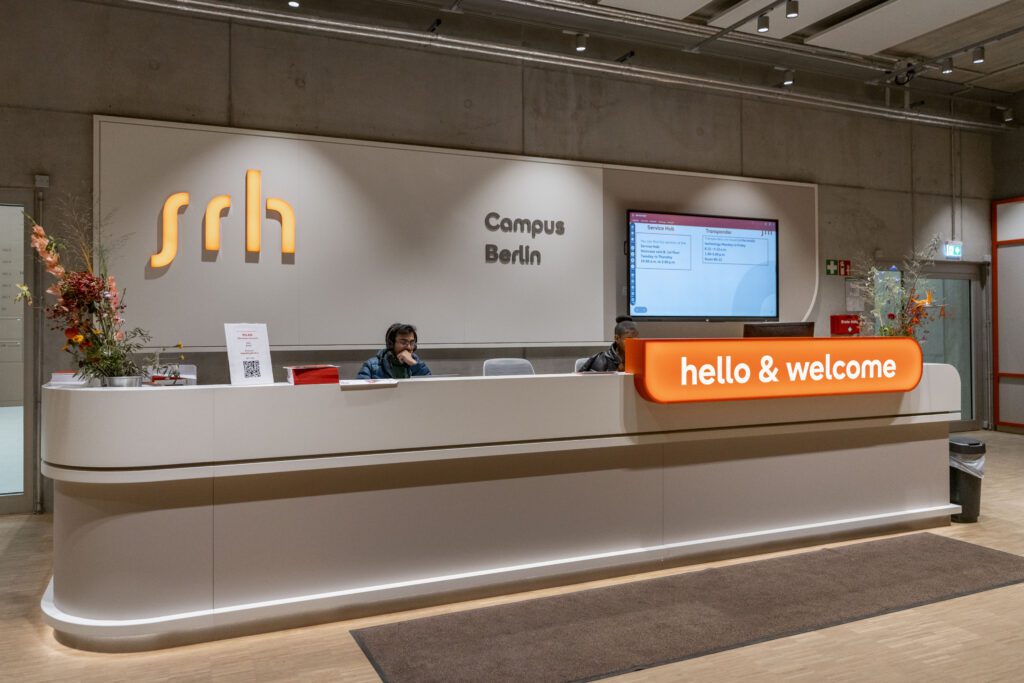
The physical learning environment plays a crucial role in shaping the student experience.Universities with modern, well-designed campuses, such as the SRH Campus Berlin, winner of the German Design Award, create functional and inspiring spaces for learning.
These campuses foster a strong sense of community and identity for a diverse student body, reinforcing the commitment to high-quality, internationally recognized education.
The architecture itself can contribute to a dynamic atmosphere conducive to collaboration and academic achievement, supporting thousands of students in their pursuit of global management expertise.
Conclusion: Charting Your Course for Global Leadership
An advanced degree in international management is more than just academic training; it's a launchpad for a dynamic career on the global stage.By equipping you with specialized knowledge, cross-cultural competencies, and practical leadership skills, these programs empower you to confidently navigate the complexities of international business.
Whether you aspire to lead multinational corporations, drive innovation in startups, or contribute to global organizations, a well-chosen international management program provides the essential foundation for success.
Embrace the opportunity to learn from a diverse cohort, engage with cutting-edge pedagogical approaches, and develop the strategic acumen needed to lead effectively across borders and make a significant impact in the global marketplace.







 Explore AI Teaching Tools
Comments (0)
Please login to comment
No comments yet
Be the first to comment on this article