
California's Youth Job Corps: Building Futures Through Service and Skill Development
Discover how a transformative initiative in California is offering a vital second chance, empowering young individuals with career pathways, educational opportunities, and a supportive community.
This program is more than just a job; it's a springboard for personal growth and a brighter future, especially for those impacted by the justice system.
Unlocking Potential: The California Youth Job Corps Initiative
Imagine a landscape where young adults, often facing significant barriers, find not just employment but a renewed sense of purpose and belonging.
This is the reality being cultivated by California's Youth Job Corps, a comprehensive program designed to equip individuals aged 16 to 30 with the skills, experience, and support needed to thrive.
The initiative prioritizes those who have faced challenges such as involvement with the justice system, transitioning from foster care, or navigating mental health and substance abuse issues.
By providing paid service opportunities, the corps aims to create stable pathways to meaningful careers and higher education, fostering a generation of engaged and skilled citizens.
The core philosophy behind this program is simple yet profound: provide opportunity, build confidence, and foster community.
For many participants, it represents a crucial turning point, offering a structured environment where they can develop professional skills, earn a living wage, and begin to rebuild their lives.
The program's success is measured not just in job placements but in the lasting impact it has on the individuals and the communities they serve.
It's a testament to the power of targeted investment in human potential, recognizing that with the right support, everyone can contribute meaningfully.
Foundations of the Corps: Structure and Eligibility
The California Youth Job Corps operates as a vital component of a broader state-wide effort, focusing on providing tangible benefits to young people who need them most.
Service members are compensated at a minimum of the state's hourly minimum wage, with the potential for higher earnings determined by the specific city or county where they are placed.
This financial stability is a critical first step for many, allowing them to meet basic needs and reduce financial stress.
Eligibility criteria are carefully designed to reach those who can benefit most from the program's support.
Key requirements include:
- Age between 16 and 30 years old.
- Low-income status.
- Unemployment or underemployment.
- Not currently enrolled in formal education.
- Priority consideration for youth who are justice-involved, transitioning from foster care, or facing mental health or substance abuse challenges.
- Must not have previously participated in an AmeriCorps program.
These guidelines ensure that the program's resources are directed towards individuals who face systemic disadvantages and can leverage the corps' offerings to create significant positive change in their lives.
The program’s reach is extensive, with thousands of young people having already participated across numerous cities and counties, demonstrating its widespread impact and adaptability to diverse local needs.
Diverse Pathways: Service Placements and Community Impact
The beauty of the Youth Job Corps lies in its flexibility and its ability to connect participants with a wide array of service opportunities that align with community needs and individual interests.
Placements can range from a few months to a year, allowing for both short-term skill acquisition and longer-term career exploration.
The program actively partners with local governments and community-based organizations to identify projects and roles that offer valuable experience and contribute to the public good.
These service roles span various sectors, including:
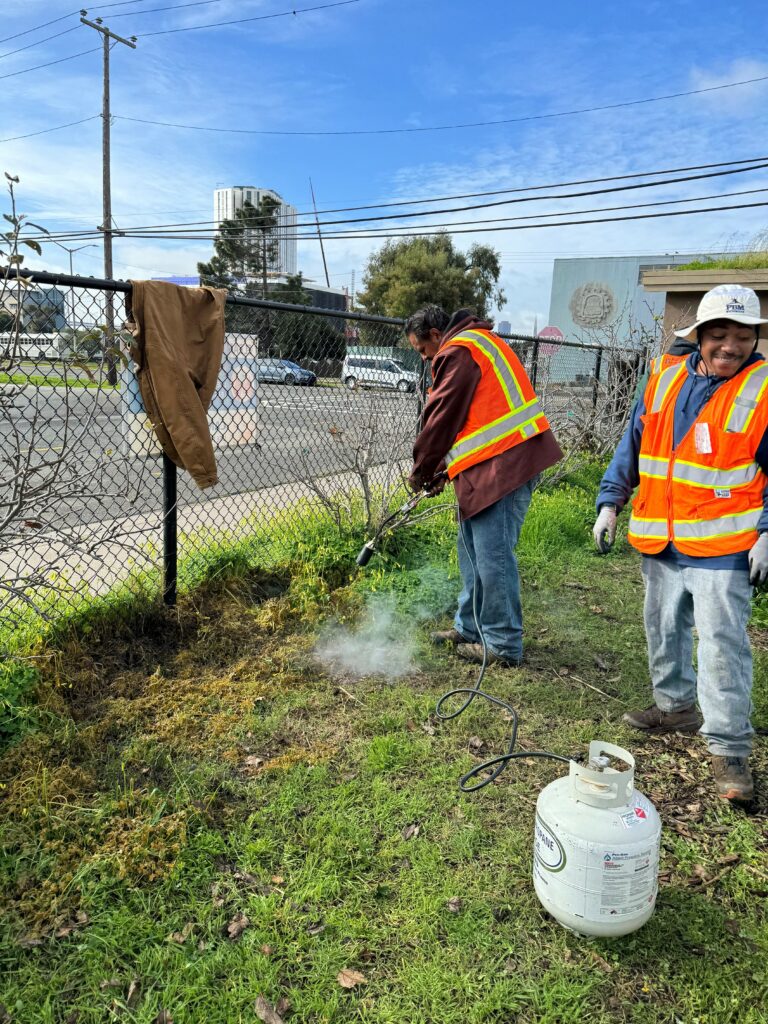
- Environmental Stewardship: Engaging in climate resilience efforts, such as fire mitigation and forest management, contributing to the health and safety of the state.
- Community Beautification: Working in landscaping and horticulture, transforming public spaces and enhancing the aesthetic appeal of cities.
- Civic Engagement: Supporting city government operations, gaining insight into public administration and local governance.
- Social Services: Assisting in community centers and non-profit organizations, providing direct support to residents.
The program's decentralized approach allows each participating city or county to tailor its offerings, ensuring that the service projects are relevant to local priorities and that participants gain experience in fields that are in demand within their region.
This localized strategy fosters a strong sense of ownership and connection between the service members and their communities.
Case Study: Rubicon Landscape Group and Reentry Support
A compelling example of the program's impact can be seen in Richmond, California, through a partnership with Rubicon Landscape Group.
This organization offers a structured 18-week vocational training program focused on horticulture and landscaping, specifically designed for young adults impacted by the justice system.
For individuals like Kaelyn Carter, a former inmate seeking a fresh start, this program provided more than just a job; it offered a vital community and the means to rebuild his life.
Carter's experience highlights the profound effect of having a stable income and a supportive environment.
He described the comfort of being able to provide for himself, purchasing necessities without having to rely on others.
The consistent routine of going to work and receiving a paycheck provided a sense of security and normalcy that had been absent for a long time.
This stability is crucial for individuals re-entering society, offering a positive alternative to past challenges.
Furthermore, Rubicon's wraparound services, including mental health support, resume workshops, and assistance with housing and transportation, address the multifaceted needs of its participants.
The therapeutic aspect of working with plants also contributes to a sense of grounding and well-being.
The shared experiences within this cohort of justice-impacted individuals create a powerful sense of camaraderie, where members lean on and support each other, fostering a resilient and cohesive unit.
Beyond Employment: Fostering Higher Education and Personal Growth
While the Youth Job Corps is fundamentally about providing employment and career pathways, it also actively encourages participants to pursue higher education.
The program recognizes that a combination of vocational skills and academic learning can lead to even greater long-term success.
This dual focus ensures that young individuals are equipped with a comprehensive skill set that opens doors to a broader range of opportunities.
The initiative is designed to be a stepping stone, not an endpoint.
For many, the stability and confidence gained through their service experience can ignite a desire for further learning.
The program aims to break cycles of poverty and limited opportunity by providing the resources and encouragement needed to pursue degrees, certifications, and advanced training.
This holistic approach acknowledges that personal growth and professional development are interconnected and mutually reinforcing.
Studies indicate that individuals who participate in structured service programs often experience significant improvements in their self-esteem, problem-solving abilities, and civic engagement.
The Youth Job Corps leverages these insights by creating an environment that fosters not only job readiness but also personal maturity and a commitment to lifelong learning.
The exposure to different work environments and the responsibility of serving their community can profoundly shape an individual's outlook and aspirations.
The Power of Community and Support Networks
One of the most significant, yet often intangible, benefits of the Youth Job Corps is the sense of community it cultivates.
For young people who may have felt isolated or marginalized, being part of a corps offers a vital support network.
This shared experience, particularly for those with similar backgrounds, fosters deep connections and a sense of belonging.
Ebony Richardson, a reentry coach with Rubicon, emphasizes the strong bonds within the cohort, noting how members "lean on each other a lot" and "look out for each other as a whole." This mutual support system is instrumental in helping participants navigate challenges, celebrate successes, and maintain motivation.
It creates an environment where individuals feel understood and valued, which is essential for personal resilience and long-term commitment to their goals.
The program's emphasis on community extends beyond the immediate cohort.
By engaging in service projects that benefit their city, participants become active contributors to their local areas.
This process of giving back can be incredibly empowering, fostering a sense of pride and connection to their community.
It shifts the narrative from one of needing help to one of being a valuable contributor, capable of making a positive difference.
Funding and Expansion: Sustaining the Momentum
The California Youth Job Corps was launched with a substantial initial investment, demonstrating a strong commitment from the state government.
Ongoing funding has been secured, ensuring the program's sustainability and its ability to continue serving thousands of young people annually.
This financial backing is crucial for maintaining the quality of service, expanding reach, and adapting to evolving needs.
The program's success has led to its expansion into numerous cities and counties across California, from rural areas to major urban centers.
This widespread adoption highlights the program's adaptability and its proven effectiveness in diverse settings.
Each participating location has the autonomy to design its program structure, allowing for innovative approaches that best meet the specific needs of their residents and local economies.
The model of empowering local communities to implement the corps allows for a responsive and targeted approach.
Whether it's addressing environmental concerns in one city or supporting social services in another, the program's flexibility ensures its relevance and impact.
This collaborative effort between state leadership and local entities is a key factor in the corps' ongoing success and its potential for future growth.
Conclusion: A Blueprint for Empowered Futures
California's Youth Job Corps stands as a powerful testament to the transformative potential of investing in young people.
By providing structured employment, valuable skills training, and a robust support system, the program offers a genuine second chance for individuals seeking to build stable and fulfilling lives.
The emphasis on community, personal growth, and the pursuit of higher education creates a holistic pathway to success, benefiting not only the participants but also the broader society.
For individuals like Kaelyn Carter, the corps has been a lifeline, offering a sense of purpose, financial stability, and a supportive community that has helped him overcome past challenges.
The program's success across numerous cities and its commitment to ongoing development underscore its importance as a model for empowering youth and fostering a more equitable and prosperous future for all.
The initiative's ability to adapt to local needs while maintaining a core mission of opportunity and support makes it a vital resource for California's next generation.



 Explore AI Teaching Tools
Comments (0)
Please login to comment
No comments yet
Be the first to comment on this article