
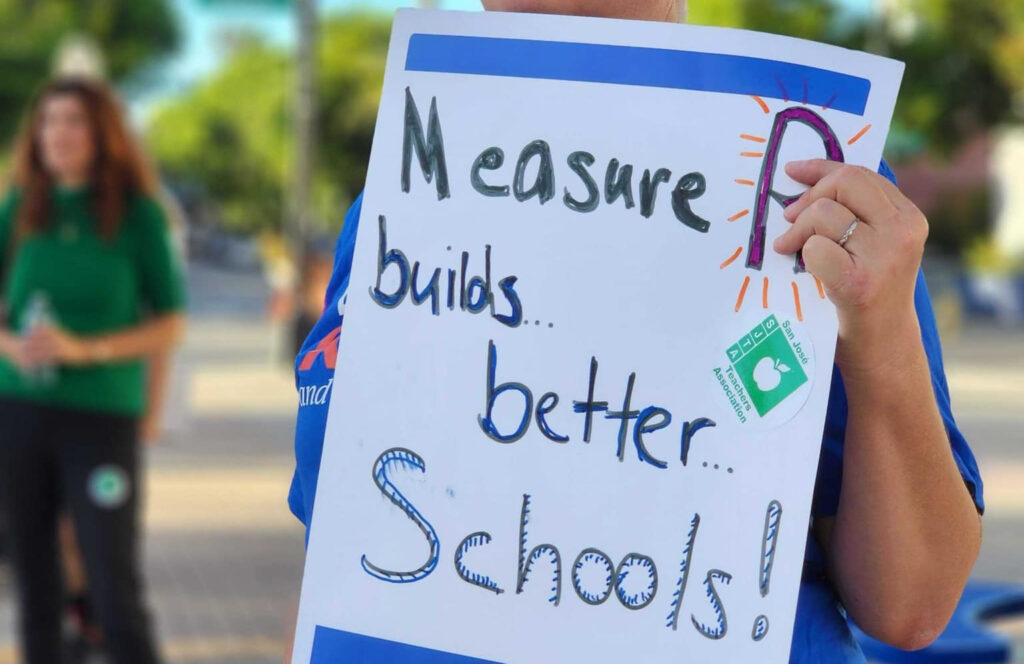
Navigating California School Construction Funding: A Comprehensive Guide for Districts in 2025
The landscape of school infrastructure development is a constant challenge, especially for districts striving to provide modern, safe, and effective learning environments.In California, the recent passage of Proposition 2 has injected significant capital into school construction, but the demand for funding far outstrips the available resources.
This article serves as an essential guide for school districts, detailing how to effectively navigate the complex process of securing state funding for construction and modernization projects, ensuring that every child benefits from improved facilities.
Understanding the Funding Landscape: Proposition 2 and Beyond
The successful passage of Proposition 2 by California voters signifies a renewed commitment to public education and its physical infrastructure.This proposition, alongside previously approved local bonds, represents a substantial investment, yet it's crucial for districts to understand the nuances of how this funding will be allocated and the existing demands it must meet.
The Scale of Need vs.
Available Funding Studies indicate that the demand for school construction and modernization funding consistently exceeds the available state resources.
Proposition 2, while a welcome injection of $10 billion, is part of a larger picture.
It's important to recognize that a significant portion of this funding is already earmarked for projects with preliminary approval from previous state bonds.
This creates a substantial backlog, meaning that even with new funding, many districts will face a lengthy wait for their projects to be realized.
Key Funding Allocations Under Proposition 2
Proposition 2 aims to address critical needs across the educational spectrum.The funding is broadly divided, with specific allocations for different educational levels and project types.
- Community Colleges: $1.5 billion will be directed towards community college projects, with specific selections made by the Legislature and Governor based on recommendations.
- K-12 Districts: A substantial $8.5 billion is designated for K-12 districts, further broken down into:
- $4 billion for modernization efforts, including repairs, replacement of aging portable classrooms, and general upgrades.
- $3.3 billion for new construction projects.
- $600 million for career and technical education facilities, fostering vital skills development.
- $600 million for charter school facilities, ensuring equitable access to quality learning spaces.
- $115 million specifically for the critical task of removing lead from school drinking water systems.
Preparing Your District for State Funding Applications
The process of securing state funding for school construction is intricate and requires meticulous preparation.Districts that approach this process strategically will be better positioned to access the resources they need.
The Importance of a Five-Year Master Plan
A significant shift under Proposition 2 is the requirement for districts to submit a comprehensive five-year master plan.This plan must include a detailed inventory of classrooms, square footage, and auxiliary facilities at each school.
Developing this plan is not merely a bureaucratic hurdle; it's a fundamental step in demonstrating a clear understanding of your district's needs and a well-thought-out strategy for addressing them.
Districts that have already completed a robust master plan with a thorough needs assessment and established priorities will have a distinct advantage.
Understanding the Application Timeline and Process
The Office of Public School Construction will be revising rules and guidelines for Proposition 2.While specific timelines will be released, districts should anticipate a multi-agency, multi-year process.
This involves submitting project plans to multiple state agencies for review, ensuring compliance with building codes, structural integrity, safety standards, and educational adequacy.
Key Agencies Involved in the Approval Process:
- Division of the State Architect: Ensures compliance with building codes, structural requirements, and safety standards.
- Department of Education: Assesses "educational adequacy," ensuring facilities meet state education code, classroom space requirements, and accommodate diverse student needs.
- Department of Toxic Substances Control (if applicable): May require approval for site-specific environmental concerns.
- Office of Public School Construction: The primary body for funding review and allocation.
- State Allocations Board: The final authority for disbursing funds.
Strategies for Maximizing Funding Opportunities
Navigating the funding application process requires more than just submitting paperwork; it demands strategic planning and a proactive approach.Prioritizing Projects and Understanding the "First-Come, First-Served" System
While the state aims for a needs-based approach, the distribution of funds often operates on a "first-come, first-served" basis for eligible projects.This system can inadvertently favor districts with greater resources and established facilities departments.
Therefore, it is crucial for districts to begin submitting applications for priority projects as soon as possible, even before all state guidance is finalized.
This proactive stance can help districts secure their place in the funding queue.
Leveraging Small District Provisions
Proposition 2 includes provisions specifically designed to support smaller districts.A dedicated 10% of modernization and new construction funding is set aside for districts with fewer than 2,500 students.
Furthermore, these smaller districts can receive up to 5% of a project's funding to cover the costs of hiring essential consultants like architects, engineers, and project managers.
This support is intended to help level the playing field and expedite the application process for these districts.
The Shift Towards Needs-Based Funding and Equity
For the first time, Proposition 2 introduces a slight increase in funding for high-poverty, low-property-wealth districts.This aims to mitigate the disparities caused by vast differences in taxable property values.
The state will provide up to an additional 5% in matching funds for qualifying projects, based on factors such as the proportion of low-income students, foster youth, and English learners, as well as the district's property wealth per student.
While this is a step towards greater equity, research suggests that the impact may not be sufficient to fully address the most severe facility needs in all districts.
Understanding Per-Student Funding and Supplemental Grants
State funding is calculated on a per-student basis, with different rates for elementary, middle, and high school students.For instance, the per-student funding for an elementary school might be a specific dollar amount, determining the base funding for a new classroom.
Districts can qualify for the minimum per-student amount, with the potential for additional funding through supplemental grants if projects incorporate specific beneficial features.
Navigating the Complexities: Practical Tips for Districts
The journey from identifying a facility need to receiving state funding can be long and arduous.Districts that embrace practical strategies will find greater success.
The Value of Expert Guidance
Given the multi-agency and multi-year nature of the funding process, engaging with experienced professionals is highly recommended.Architects, engineers, construction management firms, and consultants specializing in school facilities funding can provide invaluable expertise.
They can help districts navigate complex regulations, prepare compelling applications, and manage the intricate details of project development.
The Power of Pre-Approval Meetings
A critical piece of advice from experienced administrators is to seek pre-approval meetings with state agencies early in the process.While it might seem easier to ask for forgiveness than permission, this approach can lead to costly rework and delays.
Engaging with agencies upfront allows districts to understand their expectations, identify potential issues, and ensure their plans align with state requirements from the outset.
This proactive communication can significantly streamline the approval process.
Managing Cash Flow During the Waiting Period
The time lag between project approval and actual funding disbursement can be substantial, often taking two to four years or even longer.Districts must have a robust financial strategy to manage cash flow during this waiting period.
Those without sufficient local funds to cover project costs while waiting for state allocations are at a significant disadvantage.
This underscores the importance of careful financial planning and potentially exploring local funding mechanisms in parallel.
Exploring Supplemental Funding Opportunities
Proposition 2, while not setting aside specific funds for Transitional Kindergarten (TK) classrooms, does permit districts to seek supplemental funding for TK facilities within broader school projects.Additionally, districts can apply for supplemental funds to upgrade or construct "essential facilities" such as kitchens, cafeterias, and undersized gyms.
This also extends to energy conservation and efficiency measures, including solar panels and improved HVAC systems, aligning with sustainability goals.
Conclusion
The pursuit of state funding for school construction in California is a demanding but essential endeavor.Proposition 2 offers a significant opportunity for districts to improve their facilities, but success hinges on understanding the intricate application process, preparing meticulously, and adopting a proactive, strategic approach.
By developing comprehensive master plans, engaging with experts, prioritizing projects, and leveraging available provisions, districts can enhance their chances of securing the necessary funding.
Mentofy is committed to empowering educators and administrators with the knowledge and resources needed to navigate these complex challenges, ultimately ensuring that every student has access to a safe, modern, and inspiring learning environment.
The journey requires patience and persistence, but the rewards – improved educational outcomes for students – are immeasurable.




 Explore AI Teaching Tools
Comments (0)
Please login to comment
No comments yet
Be the first to comment on this article