
Home-Based Child Care Providers on Brink as Funding Dries Up, Threatening Access for Families
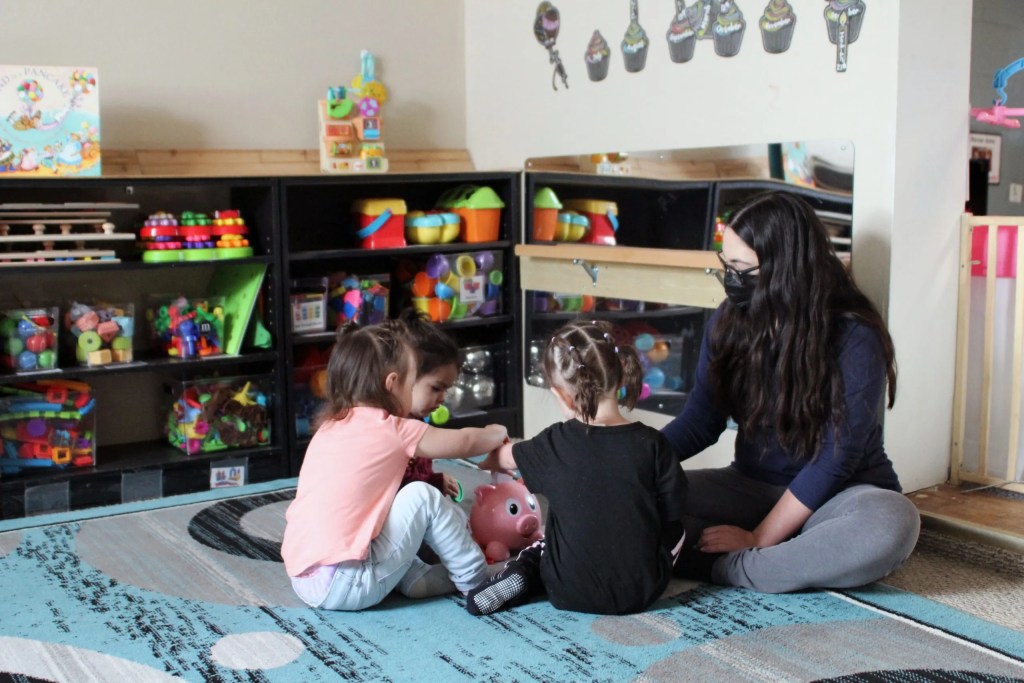
The precarious existence of home-based child care providers is reaching a critical juncture, with many facing the stark reality of closure. In the latter half of 2025, Gertrudis Espinal, a dedicated provider in the Bronx, witnessed a devastating exodus of children from her program. The city's depletion of voucher funds, essential for low-income families, left her with just seven children by February, a stark contrast to the previous year's enrollment.
Espinal's frustration is palpable: "We should be focusing on teaching the kids right now," she stated, lamenting the constant battle for financial stability. "It’s their future." This sentiment echoes across the nation, particularly for home-based programs that serve a significant portion of low-income families relying on voucher assistance.
The Vulnerability of the Home-Based Model
Unlike larger, center-based facilities, home-based child care programs operate with a smaller capacity, making them inherently more susceptible to economic downturns. They often lack the robust access to grants and resources that larger institutions can leverage, leaving them exposed when funding streams falter.
This vulnerability is not an abstract concept; it directly impacts the quality of care and the foundational learning experiences for countless young children. The delicate ecosystem of early childhood education hinges on the stability of these often-overlooked providers.
A Lifeline in Uncertain Times: Pilot Programs Offer Glimmers of Hope
Recognizing the dire situation, various organizations are stepping in with innovative initiatives to support these vital providers. Espinal herself became a beneficiary of the Thriving Providers Project, a national pilot program administered by the nonprofit Home Grown, which champions home-based child care.
This program provided Espinal and 49 other Bronx-based providers with a guaranteed monthly income of $1,000 for 18 months, disbursed bi-weekly. The unrestricted nature of these funds allowed providers to address immediate needs, from purchasing essential educational supplies like books and art materials to covering critical utility bills that previously strained personal finances.
Empowerment Through Predictable Funding
"It gave me peace of mind," Espinal shared, highlighting the profound impact of financial predictability. "I have the money, so your mind is focusing on what you need to, [like] training and teaching these kids to develop their skills and the foundation." This newfound stability, she explained, allows for a more focused and positive environment for the children in her care.
Educators and policy experts emphasize that such support, particularly programs that bolster provider wages, can be transformative. Lara Kyriakou, senior director of policy at All Our Kin, a nonprofit that partners with Home Grown, noted, "Family child care is still waiting for compensation that is matching the true cost of care."
The struggle is deeply personal for providers. "Educators are really concerned about being able to take care of their own personal and family needs, and being able to meet the needs for the program and the children they care for," Kyriakou added.
Data Underscores the Impact of Direct Support
Research conducted by Stanford University's Center on Early Childhood on the Thriving Providers initiative revealed that the predictable financial infusions enabled early educators to manage debts, secure food, and, in some instances, remain in business. The fluctuating nature of child care income, often tied to enrollment, attendance, and shifting voucher policies, makes reliable funding a critical factor for survival.
With consistent financial backing, providers can operate without the constant anxiety of funding shortfalls. This not only supports the providers themselves but also fosters "continuity of care and a stable, nurturing environment" for the children, according to Kyriakou.
Rising Costs and the Threat to Quality Care
Elizabeth Olivo, another Bronx-based provider who participated in the Thriving Providers Project, echoed Espinal's sentiments. She utilized the stipends to acquire necessary materials for her program, noting the escalating operating expenses that challenge her ability to maintain stability and deliver quality care.
"Nearly every major operating expense for my family child care program has increased, making it more challenging to maintain stability while continuing to provide quality care for families," Olivo stated. This trend of rising costs is a nationwide concern, with providers often forced to pass these increases on to families, further straining already tight budgets.
Olivo expressed deep concern about the future of the industry if the current trajectory continues. "If these rising costs continue without additional support," she warned, "many family child care providers may struggle to remain open."
Evidence of Success: Wage Supplements and Retention
Studies from states like California and Virginia have demonstrated that even modest cash bonuses and stipend programs for providers can significantly improve chronically low early educator retention rates. In the District of Columbia, a wage supplement initiative offering between $10,000 and $14,000 annually to home and center-based providers beginning in 2022 led to a 7 percent increase in child care employment within two years.
Advocates in New York are actively pushing for the inclusion of $500 million for child care in the state's final budget, a proposal that could provide much-needed compensation to boost the persistently low wages of providers, which hover around a median of $13 per hour nationwide.
Federal Uncertainty and State-Level Struggles
The reliance on private initiatives, cities, and states for support is becoming increasingly pronounced, especially in light of federal pronouncements. Early in April, President Trump indicated that the federal government could not shoulder child care costs, stating, "We’re fighting wars. We can’t take care of day care. You got to let a state take care of day care, and they should pay for it too."
This federal stance comes at a time when many states are unfortunately reducing their child care funding. This has resulted in longer waitlists for families seeking payment assistance and has forced numerous programs to shutter their doors. Even promising initiatives, such as the District of Columbia's pay equity program, are now facing the threat of elimination.
The Cycle of Instability Continues
For providers like Gertrudis Espinal, the end of pilot programs signals a return to precariousness. As voucher funding dwindled and enrollment declined, she was forced to let go of her assistants, once again facing the daunting prospect of meeting her operational expenses. The fight for survival, it seems, is an ongoing battle.
"We really need more of this funding, not just in a project, but consistently," Espinal urged. "Early childhood needs to be funded so we can thrive, so we don’t have to be fighting to thrive." Her plea underscores the urgent need for sustainable, long-term investment in the child care sector to ensure the well-being of children and the stability of the workforce that nurtures them.






 Explore AI Teaching Tools
Comments (0)
Please login to comment
No comments yet
Be the first to comment on this article