
Transforming Education: How the Arts Ignite Potential in Underserved Communities
In the realm of education, the pursuit of opportunity and equitable access is paramount.For many students, particularly those in communities facing significant socio-economic challenges, the traditional academic path can feel like an uphill battle.
However, a powerful catalyst for change is emerging: the integration of arts education.
This approach, championed by visionary educators and supported by innovative programs, is proving to be a transformative force, unlocking potential and fostering holistic development where it's needed most.
The Power of Purpose: A Leader's Journey from Adversity to Advocacy
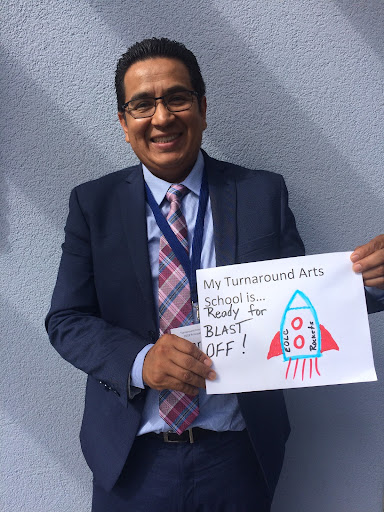
The story of Marcos Hernandez, a dedicated educator and principal, offers a profound testament to the resilience of the human spirit and the profound impact of purpose-driven leadership.Having navigated a challenging childhood marked by displacement and hardship, Hernandez’s personal journey instilled in him a deep-seated commitment to serving his community.
His early experiences, including living in a garage and facing the pervasive influence of poverty and gang activity, forged a unique understanding of the systemic barriers many students encounter.
This lived experience fuels his unwavering belief that every child deserves access to the same enriching opportunities available elsewhere.
Hernandez’s dedication is rooted in a powerful personal philosophy: "I must be here for a purpose." This conviction guides his every action, driving him to elevate the educational landscape for students in Cudahy, a densely populated area in Los Angeles County where a significant portion of the population lives below the poverty line.
He understands that for many families, the cycle of disadvantage can feel inescapable, impacting generations.
This understanding shapes his vision for education, a vision that seeks to break these cycles and provide a pathway to a brighter future.
Arts Education as an Equity Engine: Bridging Opportunity Gaps
The prevailing notion that arts education is a mere embellishment, a "cherry on top" of a curriculum, is being dismantled by compelling evidence and the passionate advocacy of leaders like Hernandez.Instead, research increasingly highlights the arts as a foundational element, an essential component that underpins academic success and fosters crucial life skills.
This perspective is central to initiatives like Turnaround Arts: California, a program dedicated to revitalizing underperforming schools through the power of artistic expression.
This program, affiliated with the esteemed Kennedy Center for the Performing Arts, has demonstrated remarkable success in transforming the educational experiences of thousands of students across the state.
By embedding the arts into the core curriculum, these schools are witnessing significant improvements not only in student engagement and behavior but also in academic performance, with gains often observed in reading and mathematics.
This underscores the idea that the arts are not a distraction from core subjects but rather a powerful tool that enhances learning across the board.
The Arts as a Foundation, Not an Extra
Studies consistently indicate that engagement with the arts cultivates critical thinking, problem-solving abilities, and creativity – skills that are indispensable in the 21st century.For students who may have faced trauma or experienced the lingering effects of systemic oppression, the arts provide a vital outlet for emotional expression, healing, and self-discovery.
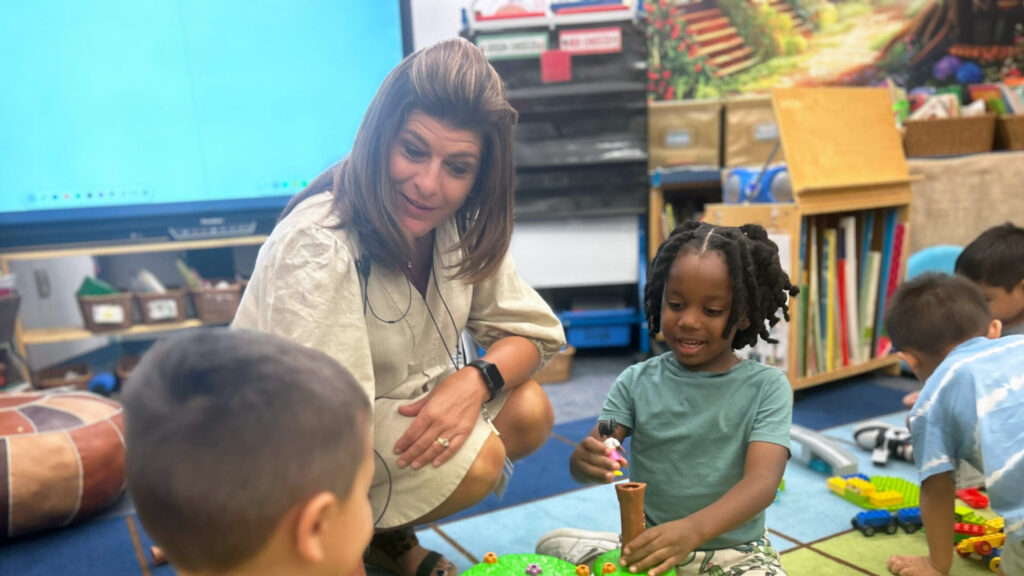
They offer a safe space to explore complex emotions, build confidence, and develop a stronger sense of self.
This is particularly crucial for English language learners and students who might otherwise feel marginalized or unheard within the traditional educational framework.
Fostering Resilience and Community Through Creative Expression
The impact of the arts extends far beyond individual academic achievement; it plays a pivotal role in rebuilding and strengthening community bonds, especially in the wake of challenging times.During the COVID-19 pandemic, schools like the Ellen Ochoa Learning Center, under Hernandez's leadership, transformed into vital community hubs, providing essential services and support.
In this context, the arts became a powerful tool for fostering a sense of togetherness and collective healing.
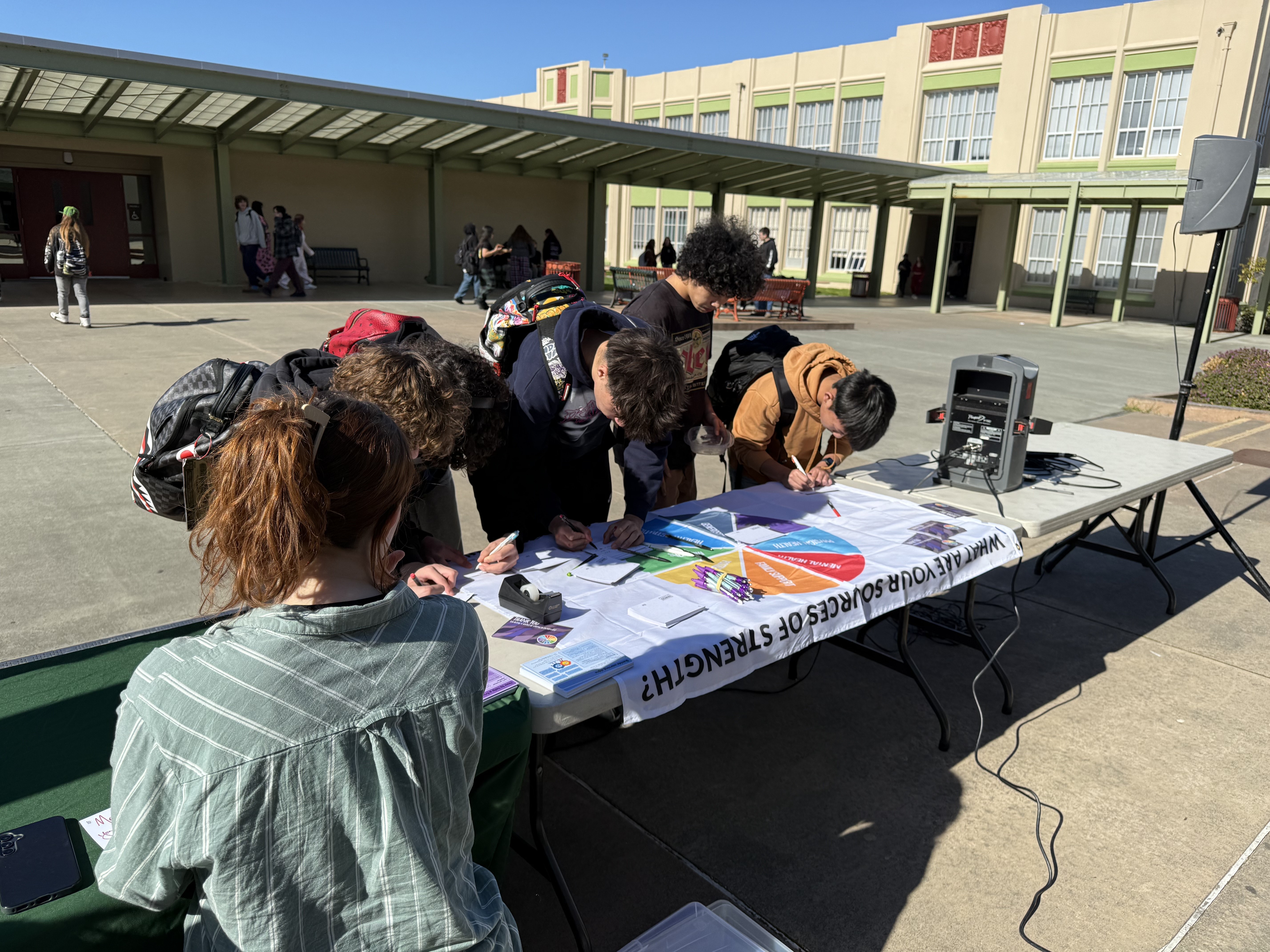
Students have actively participated in creating vibrant murals, forming orchestras, and even collaborating with renowned architects to design spaces.
These projects not only beautify their surroundings but also instill a profound sense of pride and ownership.
When students can point to a mural and say, "I created that," it cultivates an invaluable sense of accomplishment and belonging.
This hands-on engagement with creative endeavors empowers students, demonstrating that they have the agency to shape their environment and contribute positively to their community.
Empathy in Action: Building Trust Through Personal Connection
A cornerstone of effective leadership, particularly in high-needs communities, is the cultivation of empathy and genuine connection.Hernandez exemplifies this through his unwavering commitment to understanding his students and their families on a personal level.
His practice of conducting extensive home visits, often exceeding hundreds, allows him to gain deep insights into the hopes, dreams, and challenges faced by each family.
This approach builds essential trust and fosters a collaborative partnership between the school and the community it serves.
This dedication to seeing students as whole individuals, not just as data points or test scores, creates an environment where every child feels valued and supported.
It’s this human-centered approach that allows educators to effectively address the diverse needs of their students and unlock their full potential.
This is the essence of education at its most impactful.
The Long-Term Vision: Sustaining the Momentum of Arts Education
The commitment to arts education is not a short-term fix but a long-term strategy for fostering equitable and enriching learning environments.As educational landscapes evolve, the advocacy for robust arts programs becomes increasingly critical.
Initiatives like Proposition 28 in California represent significant steps towards ensuring that arts education is not dependent on fluctuating funding or parental fundraising efforts, thereby guaranteeing broader access for all students.
The success stories emerging from schools that have embraced arts integration, like the one led by Hernandez, provide a compelling blueprint for educational transformation.
The evidence is clear: when the arts are woven into the fabric of education, they empower students, strengthen communities, and cultivate a generation of resilient, creative, and engaged citizens.
This is the promise of a truly inclusive and impactful education.
Conclusion: Cultivating Potential Through Comprehensive Education
The journey from adversity to advocacy, as exemplified by leaders like Marcos Hernandez, underscores the transformative power of purpose-driven education.By recognizing the arts not as an optional add-on but as a fundamental pillar of learning, we can create more equitable opportunities for all students.
This approach fosters academic growth, nurtures emotional well-being, and builds stronger, more vibrant communities.
The integration of the arts into education is a powerful strategy for unlocking the full potential of every student, ensuring that they have the tools and confidence to thrive in an ever-changing world.
This is the future of education that Mentofy champions.





 Explore AI Teaching Tools
Comments (0)
Please login to comment
No comments yet
Be the first to comment on this article