
California Schools Face Devastating Loss of Mental Health Clinicians Amid Federal Funding Cuts
A sudden and sweeping cancellation of federal grants threatens to unravel critical mental health support systems in California schools, potentially leaving hundreds of thousands of students without access to counselors, social workers, and wellness coaches. This move, impacting nearly $168 million in funding, disproportionately affects rural and low-income districts already grappling with severe provider shortages and higher rates of youth suicide.
A Lifeline Severed: The Impact on Students
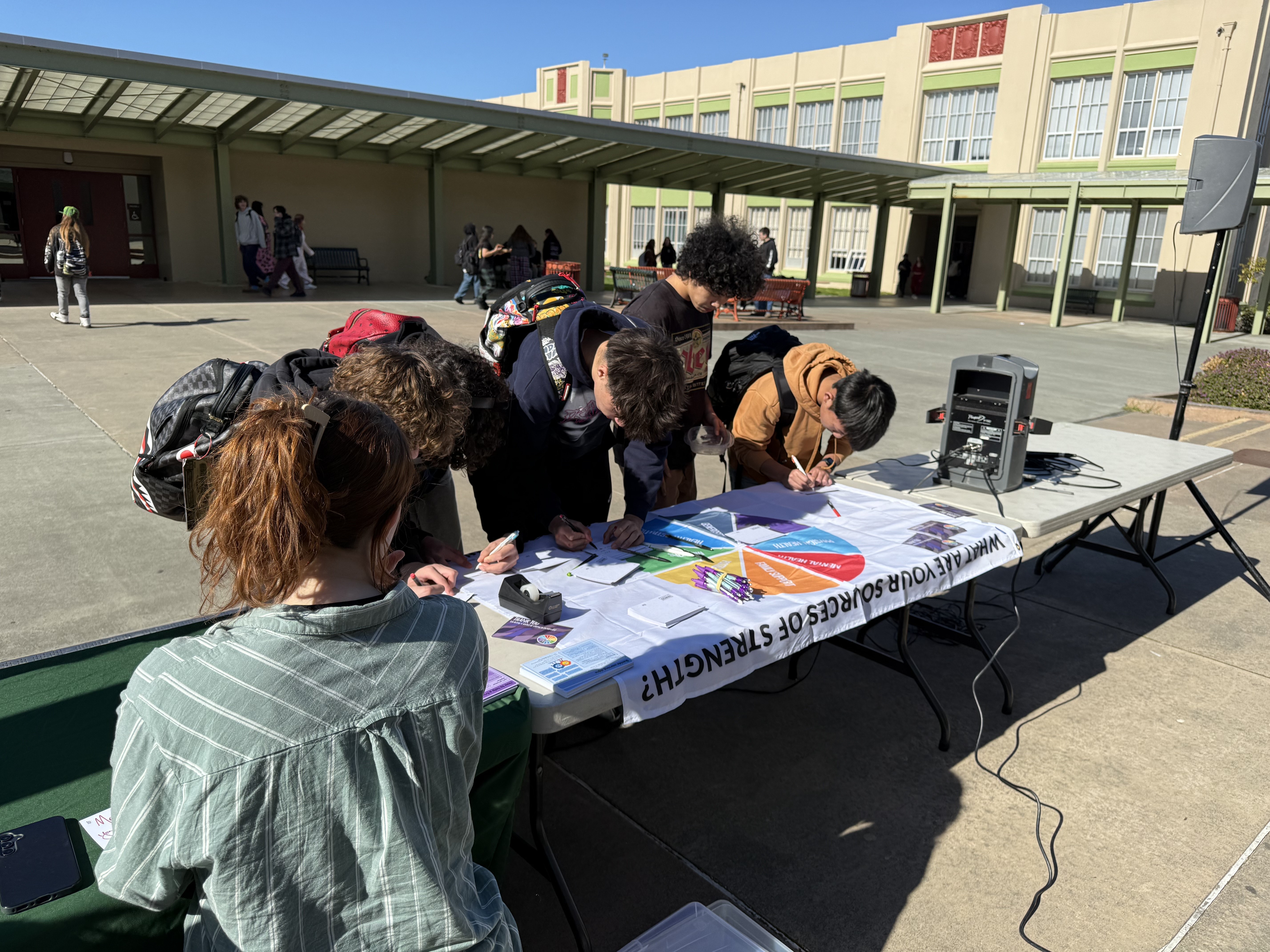
For many students, school-based mental health professionals are the first and often only point of contact for crucial services. These can range from routine mental health screenings and crisis intervention to long-term counseling and building trusting relationships that are vital for well-being.
The abrupt termination of these grants means students could lose these essential services, creating a void that may be impossible to fill. This is particularly concerning in areas where access to external mental health providers is already limited by geography and economic barriers.
Jane Huang, a wellness coach at Eureka High School, understands this reality deeply. After struggling with severe depression during her own time at the school, she returned to her alma mater to provide the support she wished she had. "There was no wellness center when I went to school here, and knowing what the students go through, I just felt like I could really help them out," Huang shared.
Now, the very programs that enabled her to help students facing issues like suicidal ideation, homelessness, and substance abuse are at risk. The prospect of leaving these students without a familiar and trusted adult is a heavy burden for educators and clinicians like Huang.
The Eureka Effect: Rural Schools on the Brink
The cancellation of federal grants is poised to hit rural communities like Eureka, Northern Humboldt, and Del Norte particularly hard. These areas, already facing significant challenges in accessing mental health care, stand to lose over $12 million collectively.
Eureka City Schools, for instance, will lose approximately $3 million, a sum that funds all five of its school social workers, as well as training and supervision for graduate student interns. These professionals are the backbone of the district's core mental health services, offering everything from crisis intervention and substance abuse counseling to individual and family therapy and suicide prevention programs.
"The grant allowed us to hire staff and outfit our wellness center—which will stay, but I'm sad to say, the services provided there may not," stated Sarahdee Duncan, the wellness center coordinator for Eureka City Schools. The potential loss of these in-house services could reintroduce long waitlists and significant barriers to care for families.
Northern Humboldt Union High School District is facing a loss of over $6.5 million. Through the now-canceled grants, the district had provided mental health services to more than 3,600 students and helped credential over 25 mental health clinicians in the county. The lost funding would have supported the training of over 30 additional clinicians by 2028.
Similarly, Del Norte Unified School District will lose about $2 million, impacting 14 mental health service providers employed since 2023. "Our communities are more than 350 miles away from metropolitan areas, so we don't have the easiest time getting the mental health support we need for students and families," explained Thomas Kissinger, assistant superintendent of educational services.
A Steep Climb Back: Rebuilding Access
Before the federal grants, Del Norte Unified faced dire shortages, with an average of 577 students per school counselor and 690 students per social worker. The grant funding had helped reduce these ratios closer to recommended levels, significantly improving access to care.
"We had to notify employees that we weren't going to be able to fund them the next year, and that was devastating," Kissinger recounted, reflecting on the disbelief of those affected. "A lot of them would just ask me, 'How is this even possible?'"
The situation is compounded by the fact that many small districts in California, despite recent state investments in youth mental health, still rely heavily on federal grants for their mental health clinicians. This reliance makes them particularly vulnerable to such funding disruptions.
Students Relying More on Schools
Lora Schultz, a mental health grant coordinator at Del Norte Unified, highlighted a critical trend: students are increasingly turning to schools for mental health support. This reliance means that sudden cuts to school-based programs could leave students with few comparable alternatives.
School counselors had been integrating mental health support with academic, attendance, and social-emotional learning initiatives. Programs like daily check-ins, mobile counseling vans, and parent engagement projects were designed to address student needs holistically and reduce disciplinary issues.
The loss of these services could force a return to older models where counselors are spread thin across multiple schools, diminishing the quality and accessibility of care. Furthermore, as families lean more on school services, districts may find themselves unable to refer students to private clinicians due to a lack of available providers or the complexities of insurance and transportation.
"It's about that relationship where (students) know there is an adult that checks in and cares about them," Schultz emphasized. She shared poignant memories of former students who, years later, still recall the impact of having a trusted adult who saw them and supported them through difficult times.
The Erosion of Trust and Continuity
The abrupt departure of familiar mental health clinicians can have a profound impact on students' trust and treatment outcomes. Research indicates that youth who lose long-term providers are more likely to experience negative or incomplete treatment results for conditions like depression and anxiety.
Moreover, students are significantly less likely to place their trust in new clinicians if they are abruptly transferred. This loss of continuity can undermine the therapeutic process and create further barriers to seeking help.
Cassandra Garcia-Gonzalez, a senior at Eureka High School, experienced the importance of trust firsthand. After struggling with depression and panic disorder, she found solace and a renewed sense of hope through therapy. "I do have a better sense of hope, because if I was stuck in that way (again), I can now understand how I can reach out," she said.
Now a peer counselor herself, Garcia-Gonzalez helps fellow students navigate their challenges. However, she acknowledges the precarious future of such programs. "But that's probably not going to be a reality for me, or for students who are trying to become peer counselors," she stated, reflecting the uncertainty cast by the funding cuts.
A Legal Challenge and an Uncertain Future
In response to the grant cancellations, California, along with 15 other states, has filed a lawsuit against the U.S. Department of Education. The coalition argues that the cancellation of grants providing essential services to high-need, low-income, and rural schools is unlawful.
However, educators like Duncan are not optimistic that the legal action will restore the funding in time, if at all. Many districts are now exploring alternative funding streams, such as health insurance reimbursement, hoping to salvage a portion of their mental health services. Yet, it remains uncertain if these avenues can generate enough revenue to sustain the existing positions.
As schools across California brace for the potential loss of hundreds of dedicated professionals and years of established trust with students, the question looms large: where will students and families turn for the mental health support they so desperately need?


 Explore AI Teaching Tools
Comments (0)
Please login to comment
No comments yet
Be the first to comment on this article