
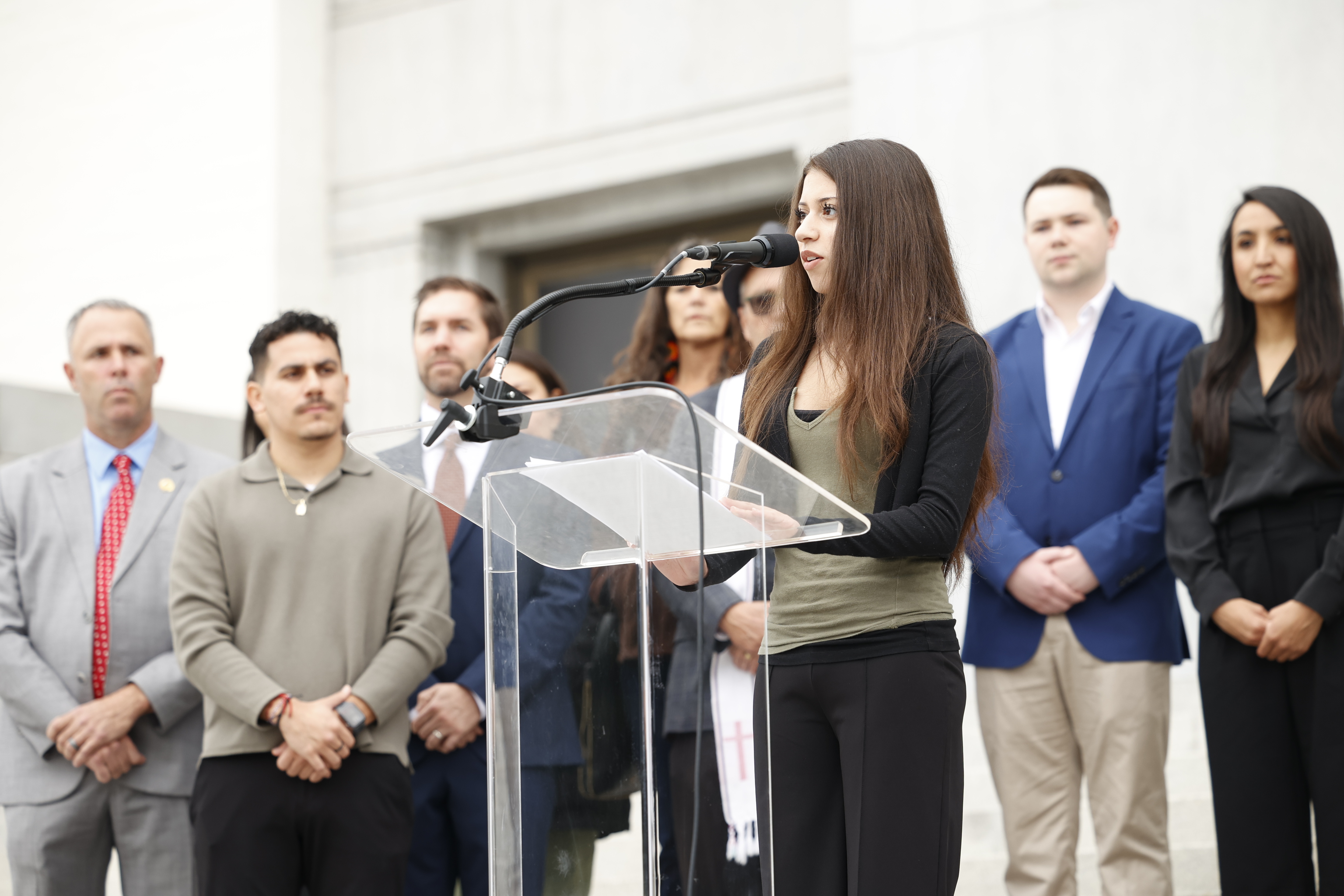
Billions in School Repair Funds Frozen? Lawsuit Demands Equitable Distribution Before Repairs Begin
A seismic legal challenge is shaking California's approach to school infrastructure, with parents and students demanding a halt to billions in state funding for school repairs. The core accusation: a deeply flawed system that disproportionately benefits wealthy districts, leaving students in less affluent communities to learn in dilapidated and unsafe facilities.
The plaintiffs are urging a judge to freeze approximately $3 billion in state matching funds designated for modernizing school buildings. This drastic measure, they argue, is necessary until the state can demonstrate a commitment to distributing these critical resources equitably, ensuring all students have access to safe and functional learning environments.
A System Built on Disparity
At the heart of the controversy is California's formula for allocating funds for school construction and renovation. For decades, the state has relied on a matching grant system, where districts contribute a portion of the cost, and the state provides the remainder through bond measures approved by voters.
However, critics contend this system inherently favors districts with a strong property tax base. Wealthier communities can more easily float local bonds to cover their share of modernization projects, allowing them to secure state matching funds more readily. This creates a stark contrast, with affluent districts boasting state-of-the-art facilities while poorer districts struggle with crumbling infrastructure.
The lawsuit highlights this disparity, pointing to examples of students in districts like Lynwood Unified, near Los Angeles, and Del Norte Unified, in the state's northern reaches, who face conditions that are not just inadequate but actively detrimental to their education. These include issues like water damage, asbestos, mold, and non-functional restrooms.
The "First-Come, First-Served" Flaw
A key element of the plaintiffs' argument is that the state's "first-come, first-served" allocation process amplifies existing inequalities. Wealthier districts, with greater administrative capacity and financial resources, are better positioned to navigate the complex application process and secure funding before less affluent districts even have a chance.
This means that even when state funds are available, districts with the most urgent needs often find themselves at the back of the line. The lawsuit asserts that this perpetuates a cycle of neglect, condemning generations of students to substandard school facilities.
A Plea for Constitutional Justice
The legal challenge is rooted in the principle of equal educational opportunity, a cornerstone of the California Constitution. Plaintiffs argue that by allowing such vast disparities in school facilities, the state is violating students' fundamental right to a quality education.
They are seeking an injunction to halt the disbursement of the remaining $3 billion from Proposition 2, a $10 billion bond measure approved by voters in November 2024 for TK-12 schools and community colleges. This funding is intended to address critical modernization needs across the state.
Attorneys for the plaintiffs emphasize that the harm to students is irreparable. They contend that allowing the funds to be distributed under the current, allegedly unconstitutional, system would further entrench existing inequities and deny countless students the chance to learn in a safe and conducive environment.
Specific Examples of Neglect
The lawsuit paints a vivid picture of the conditions faced by students in underfunded districts. Fall River Joint Unified, a rural district in Shasta County with approximately 1,100 students, is cited as an example. Despite buildings that may appear well-maintained from the outside, the internal infrastructure is reportedly in severe disrepair.
Superintendent Morgan Nugent describes widespread asbestos contamination, portable classrooms over 60 years old that are literally falling apart, and ancient gas lines requiring emergency repairs. During heavy rains, water intrusion into classrooms is a recurring problem, highlighting the urgent need for comprehensive renovation.
Similarly, Lincoln Elementary in the Salinas City Elementary School District, also a plaintiff, has been plagued by leaky roofs. In one instance, a third-grade classroom required the removal of wet, moldy insulation, and restroom facilities have repeatedly been rendered unusable, disrupting the school day for students.
The Stakes for Students and Districts
The potential outcome of this lawsuit carries significant weight for school districts across California. If the injunction is granted, it could delay the allocation of much-needed modernization funds for years, further exacerbating the existing problems with school facilities.
However, proponents of the lawsuit argue that a temporary pause is a necessary price to pay for ensuring a fair and just distribution of resources. They believe that the current system is not only unconstitutional but also actively harms students, particularly those from low-income and minority backgrounds who are disproportionately affected.
The Coalition for Adequate School Housing (CASH), an organization representing various stakeholders in school construction, has expressed concern that halting funding would worsen conditions. They argue that any delay in repairs or construction would break the state's commitment to supporting students and their educational needs.
A Historical Context of Inequality
This legal battle is not the first time California has grappled with disparities in school funding. Landmark California Supreme Court decisions in the 1970s, such as Serrano v. Priest, recognized that reliance on local property taxes for school budgets created unconstitutional inequalities among districts.
While those rulings addressed operational funding, the responsibility for school facilities largely remained with local districts, which relied on issuing construction bonds funded by property taxes. The state's School Facility Program, established in 1998, aimed to alleviate some of this burden through periodic bond measures.
However, critics argue that the current matching grant formula, even with state bond funding, has failed to create a truly equitable system. The pattern of wealthier districts receiving a disproportionately larger share of state funding, as documented by studies, continues to be a source of contention.
A Call for Swift Action
The plaintiffs are urging swift action from the state, hoping for a resolution that avoids a lengthy court battle. They have indicated a willingness to engage in settlement discussions if the Newsom administration and the Legislature demonstrate a genuine commitment to addressing the systemic issues.
Governor Gavin Newsom himself has previously acknowledged the "shameful" conditions in some school facilities, stating in 2019 that it was impossible to justify the state of buildings where many students were educated. However, he did not pursue substantial reforms in the recent Proposition 2 bond measure.
The lawsuit, Miliani Rodriguez v. State of California, is now in the hands of the court. A hearing on the motion for an injunction is scheduled for May 13, a date that could determine the immediate future of billions in school repair funding and potentially reshape how California ensures equitable facilities for all its students.







 Explore AI Teaching Tools
Comments (0)
Please login to comment
No comments yet
Be the first to comment on this article