
California Schools Grapple with Counselor Crisis as Student Peers Step In
As budget deficits loom large across California, a troubling trend is emerging: the potential elimination of crucial support staff, including school counselors. This spring, preliminary layoff notices went out to thousands of school employees, a stark indicator of the financial pressures facing districts. The timing couldn't be more precarious, with educators reporting a significant rise in student anxiety and a concerning dip in attendance.
A Growing Chasm in Student Support
Districts are facing unprecedented financial challenges, forcing difficult decisions about staffing. In Oakland Unified, for instance, significant layoffs are planned to address a substantial budget deficit, with counselors, case managers, and attendance clerks high on the list of potential cuts. This wave of reductions comes at a time when the need for student support is arguably greater than ever.
Educators nationwide are witnessing a troubling shift in student well-being. A recent survey revealed that nearly half of educators surveyed have heard students express heightened fear and anxiety, with a notable portion directly linking these feelings to concerns about immigration enforcement. This fear is manifesting in tangible ways, with a quarter of educators reporting a decline in student attendance.
Compounding this issue, almost a quarter of educators noted an increase in students seeking counseling services. This surge in demand for mental health support is occurring precisely as school budgets are contracting, leading to fewer available counselors. The strain on existing school counselors, who are already managing caseloads far exceeding recommended ratios, is immense.
The Ripple Effect of Fear on Learning
The current climate is taking a significant toll on students' sense of safety and belonging within the school environment. When students feel insecure, their ability to engage with learning and thrive academically is severely compromised. This creates a critical challenge for schools aiming to foster a supportive and productive educational setting.
While state-level policies in California have been implemented to protect students, such as strengthening safe-haven school policies, these measures alone cannot fully address the emotional needs of students. Policy can send a message, but it cannot directly soothe the anxieties of a student worried about their family's immigration status or the well-being of a peer.
Restoring a sense of safety and belonging requires interventions that are deeply embedded within the daily fabric of school life. Schools must proactively invest in supports that can effectively calm student nerves and rebuild their confidence, enabling them to return to their learning with a renewed sense of security.
Peer Support: A Promising Avenue for Extended Care
In response to these mounting challenges, innovative models are emerging to extend the reach of student support services. One such initiative, the California peer-to-peer youth mental health pilot, has been implemented across eight high schools with funding from the state's Children and Youth Behavioral Health Initiative. Early results from this program suggest significant gains in student well-being, offering a beacon of hope during financially constrained times.
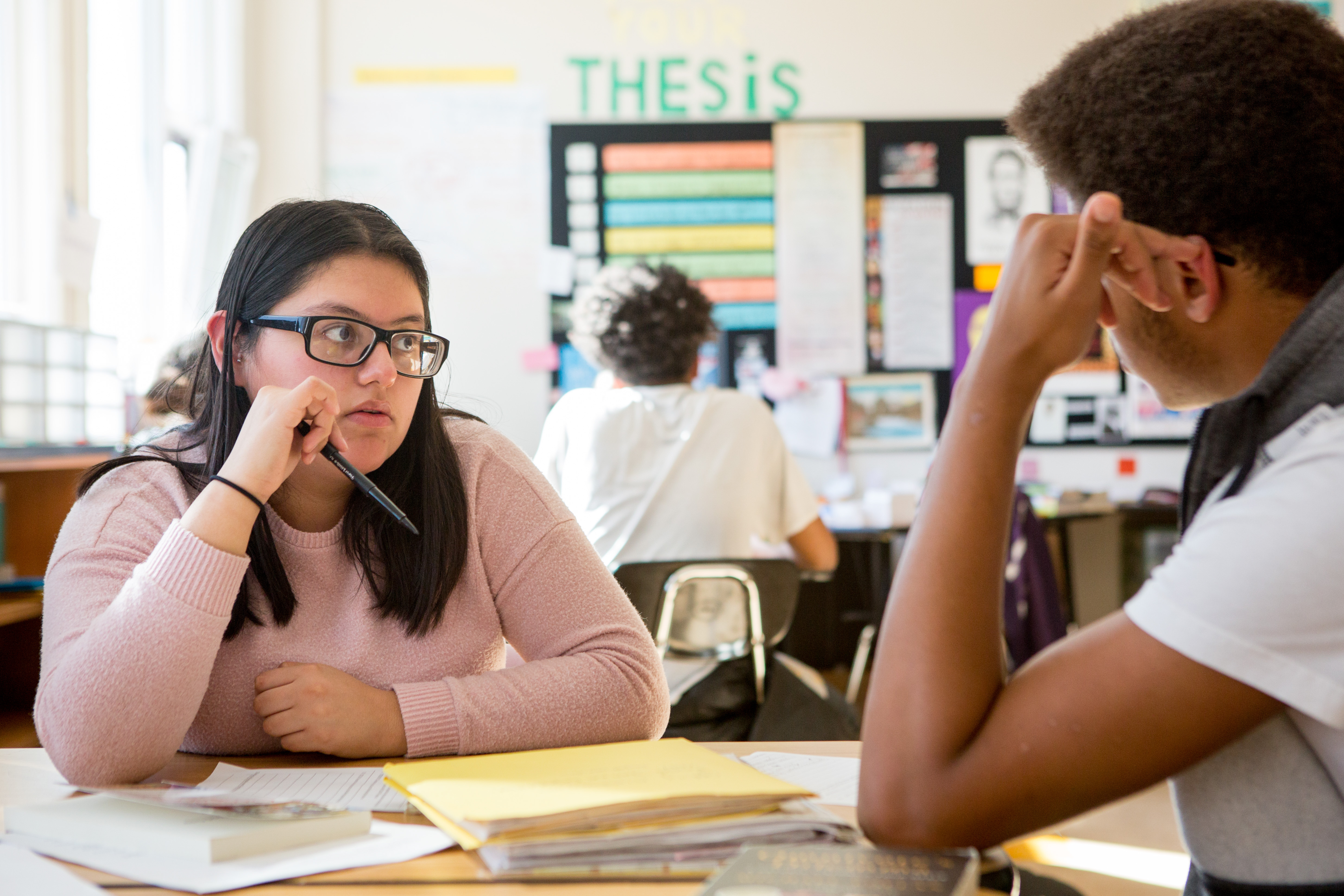
This model is built on a simple yet powerful premise: training students to act as peer mentors and wellness ambassadors. These trained students operate school-based wellness centers, providing structured, accessible support to their classmates throughout the school day. This approach leverages the unique strengths and understanding that students possess.
The concept of peer support is not new; it is a well-established and evidence-based intervention in adult mental health care. What makes these youth-focused models particularly innovative is the profound belief that adolescents, when guided and supported by caring adults, can offer culturally affirming connections and support to their peers.
The Diamondback Den: A Model of Peer Empowerment
At Serrano High School in San Bernardino County, one of the pilot program's participating schools, the "Diamondback Den" serves as a vibrant wellness center. Here, student leaders facilitate restorative circles, organize engaging lunchtime activities, and offer one-on-one peer support. This student-led initiative creates a welcoming and accessible space for all students.
One 12th-grade peer leader at Serrano described the impact of leading a bilingual restorative circle for Spanish-speaking students. "They had a place where they could speak in their native tongue and have a good time," she explained, highlighting the program's ability to foster cultural connection and belonging.
For newcomer students, such spaces can be more than just stabilizing; they can be truly transformative. At El Cerrito High School, a first-year student shared how the peer program "gave me more fun and experience in my first year of living in the United States and helped me adapt to life here faster." This demonstrates the profound impact of peer connection on acculturation and overall student adjustment.
Cultivating Empathy Through Shared Experience
The desire to support others often stems from personal experience. At Oakland Technical High School, a ninth grader applying to become a peer wellness mentor articulated this sentiment powerfully: "I know what it feels like to be in pain, and I don’t want anyone else to go through it alone." This empathy is a driving force behind the success of these peer programs.
Multiple students at Oakland Tech reported seeking help at the wellness center specifically because they felt more comfortable initially talking to another student. This initial connection often serves as a crucial stepping stone, making it easier for them to eventually seek assistance from adult professionals if needed. The peer relationship lowers the barrier to entry for help-seeking behavior.
These peer support programs are not intended to replace the vital work of professional school counselors or psychologists. Instead, they serve as a critical extension of the care ecosystem, particularly at a time when this ecosystem is under immense strain. They act as a vital supplement, ensuring that more students receive timely and appropriate support.
Extending the Reach of School Support
Schools participating in the pilot program report that their peer counselors are instrumental in addressing a wide range of everyday challenges. These include conflict resolution among students, vaping prevention efforts, and proactive attendance check-ins. By handling these common issues, peer mentors free up the limited time of school counselors.
This allows the professional school counselors to dedicate their expertise to students facing more complex and intensive needs. The peer support network effectively creates multiple entry points for students seeking assistance, normalizing the act of asking for help and reducing the stigma often associated with mental health challenges.
Crucially, these peer-led initiatives operate directly within the school day and on school campuses. This proximity and accessibility significantly lower the threshold for students to reach out for support when they need it most. The immediacy of peer connection can make a profound difference in a student's willingness to engage with support services.
The Link Between Safety, Belonging, and Academic Success
Research consistently demonstrates a strong correlation between student safety, a sense of belonging, and improved academic outcomes. When students feel secure and connected within their school community, their attendance rates tend to rise, and their engagement with learning deepens. This creates a positive feedback loop that benefits the entire school.
In a national climate where immigration enforcement actions can create widespread fear and anxiety among students and their families, peer-based models of care offer something that legal protections alone cannot fully provide. They offer proximity, trust, and immediacy—qualities that are essential for building resilience and fostering a sense of security.
California is at the forefront of testing a potential solution to a national challenge. However, the sustainability and scalability of these promising peer programs hinge on continued investment and strategic planning. The current funding for these models, through the state's Children and Youth Behavioral Health Initiative, is set to sunset this year.
Securing the Future of Student Well-being
The potential loss of both school counselors due to budget cuts and vital peer programs due to expiring funding presents a significant risk to student well-being. As the demand for counseling services continues to rise and school budgets face ongoing pressure, these peer programs cannot be viewed as optional extras.
They are, in fact, an integral part of the essential infrastructure that fosters a sense of belonging and psychological safety within schools. The detrimental impact of fear on student attendance, learning, and overall well-being is well-documented. Conversely, the power of peer support, meeting students precisely where they are, is a proven strategy for positive change.
California has an opportunity to lead by example, demonstrating how to effectively support its students during challenging times. Allowing proven programs like the peer-to-peer model to disappear at the moment students need them most would be a profound disservice. State leaders must act decisively to secure sustained funding and ensure the continuation of these vital initiatives.
Students are already actively building the structures and connections that help them feel safe and welcomed within their school communities. It is now imperative that policymakers align their efforts and resources to support and amplify these student-led efforts, ensuring that every student has the opportunity to thrive.



 Explore AI Teaching Tools
Comments (0)
Please login to comment
No comments yet
Be the first to comment on this article