
California's Next Top Educator? Sonja Shaw's Bold Bid for State Superintendent
In a political landscape often dominated by seasoned policy wonks and career educators, a new challenger is emerging, armed with a fervent passion and a track record of disruptive action. Sonja Shaw, the current president of the Chino Valley Unified School Board, is throwing her hat into the ring for California's top education post, aiming to unseat the incumbent State Superintendent of Public Instruction. Her candidacy represents a significant shift, fueled by a grassroots movement and a platform that prioritizes parental rights and challenges established educational norms.
From Stay-at-Home Mom to Boardroom Firebrand
Just a few years ago, the idea of Sonja Shaw holding a prominent role in statewide education policy would have seemed improbable. Her journey into public service began not with a desire for political power, but with a deep-seated conviction that she had a moral obligation to act. As a mother of two daughters and a former stay-at-home parent, Shaw's initial involvement in education was driven by her children's schooling and a growing concern over what she perceived as ideological overreach in the classroom.
Her entry point was the Chino Valley Unified School District, where she quickly became a familiar face at board meetings. What started as a personal quest to understand and influence her local school system soon evolved into a broader political movement. Shaw's rise has been meteoric, transforming her from a parent advocating for her children to a leading voice in a national conversation about the role of parents in education.
A Defining Moment and a Confrontational Style
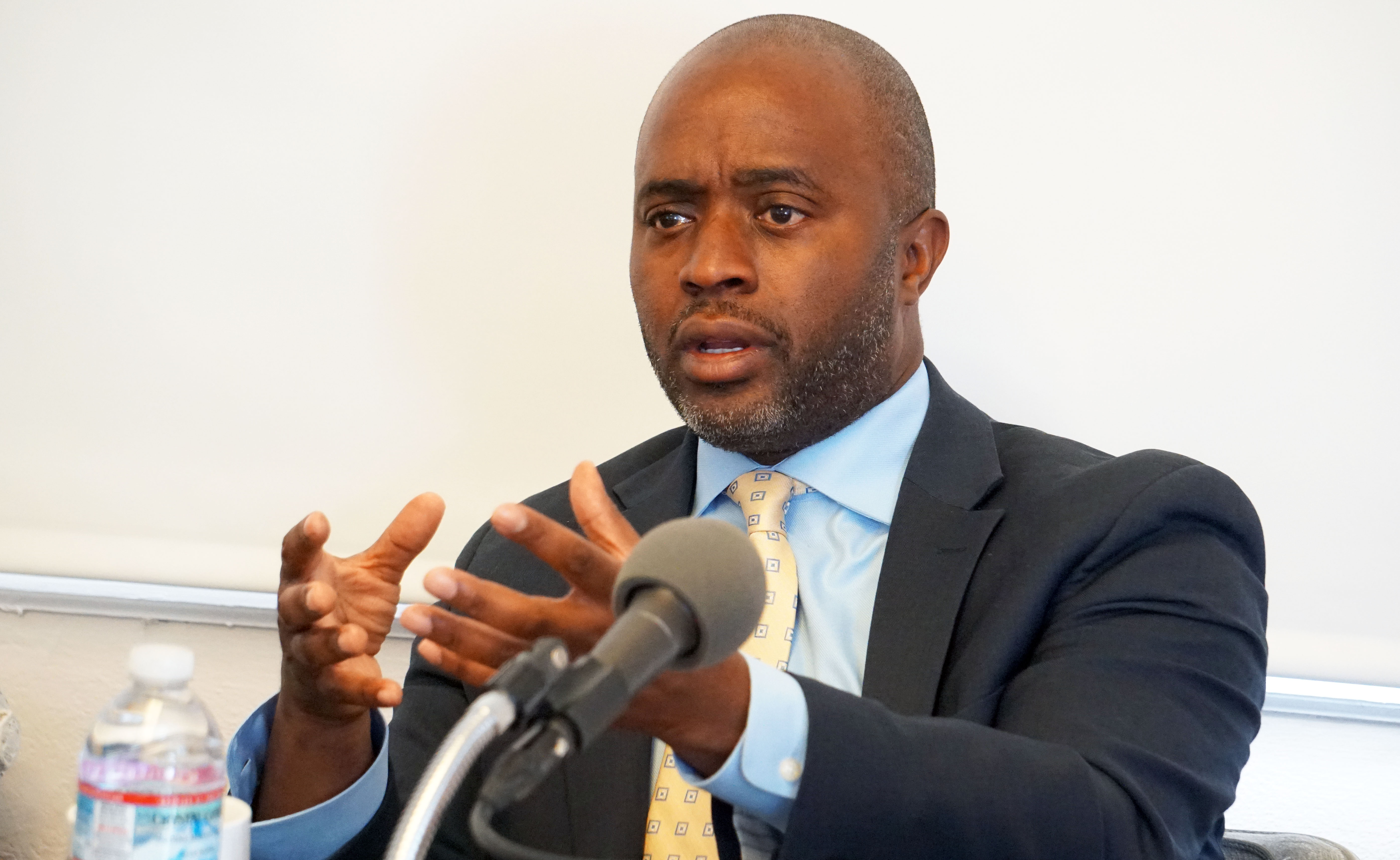
Shaw's confrontational approach was starkly illustrated during a contentious school board meeting in 2023. In a moment that reverberated through educational circles, she publicly accused the then-State Superintendent Tony Thurmond of "perverting children." This bold declaration, delivered with unvarnished intensity, encapsulated her willingness to challenge authority and articulate her deeply held beliefs, even when they clashed with prevailing narratives.
This incident, while controversial, cemented her image as a fighter, someone unafraid to speak her mind and take on powerful figures. It also signaled her intent to bring a more assertive and, in her view, parent-centric approach to the highest levels of California's education system. Her supporters see this as a strength, a necessary antidote to what they describe as bureaucratic inertia and political correctness.
The Rise of the "Parental Rights" Movement
Shaw's political ascent is inextricably linked to a broader surge in parental activism that gained significant momentum during and after the pandemic. This movement, often characterized by its focus on issues such as curriculum transparency, gender identity policies, and parental notification, has mobilized a significant segment of the electorate. Shaw has become a prominent figurehead for this wave of conservative, often religiously motivated, parents who feel their voices have been marginalized.
Her campaign resonates with those who believe that political ideologies have infiltrated schools at the expense of core academic instruction. Shaw frequently articulates a desire to return schools to a focus on foundational learning, free from what she terms "political agendas being shoved down everybody's throats." This message has found a receptive audience among parents seeking a perceived return to traditional values and educational priorities.
Challenging the Status Quo on Inclusivity
A central tenet of Shaw's platform involves challenging California laws and policies designed to foster inclusivity for LGBTQ+ students. Policies requiring age-appropriate LGBTQ+ content in public schools, passed by a Democratic majority, are viewed by Shaw and her supporters as an imposition of specific ideologies. They argue that such mandates overstep the boundaries of public education and infringe upon parental rights to guide their children's moral and social development.
This stance has placed her at odds with many established educational organizations and advocacy groups. Critics argue that her focus on these issues distracts from the fundamental mission of educating all students and can create hostile environments for vulnerable youth. The debate highlights a deep ideological divide within California regarding the role of schools in addressing social and cultural issues.
The Transgender Athlete Debate: A Flashpoint
Perhaps no issue has defined Shaw's public persona more than her stance on transgender athletes participating in girls' sports. She has been a vocal critic of policies allowing transgender girls to compete in female athletic divisions, arguing that it undermines fair competition and the integrity of women's sports. This position has drawn both fervent support and sharp condemnation.
In one notable instance, Shaw publicly tore up a cease and desist letter sent by the mother of an openly transgender track star from Jurupa Valley, who claimed Shaw's social media comments constituted cyberbullying. Shaw's defiant act, coupled with her public statements labeling the athlete a "boy" competing against girls, underscored her unwavering commitment to her position and her willingness to engage in public confrontations over the issue. This particular controversy has been a significant rallying point for her base, aligning with a broader national debate on gender identity in sports.
A Different Path to Leadership
Sonja Shaw's educational background diverges significantly from the typical profile of candidates for State Superintendent. Unlike many who hold advanced degrees in education or public administration, Shaw's primary aspiration has been motherhood. Her personal history, marked by early responsibility for younger siblings due to her mother's struggles with addiction, instilled in her a profound sense of duty and a deep understanding of systemic challenges.
This lived experience, she argues, provides a unique perspective on the needs of families and the effectiveness of various social and educational systems. While she acknowledges not being an educator by profession, she asserts that her strength lies in her ability to listen to teachers, understand their needs, and collaborate to find solutions. This approach positions her as an advocate for the practical realities faced by educators and parents, rather than an academic theorist.
Building a Coalition of Discontent
Shaw's campaign has successfully tapped into a reservoir of dissatisfaction among a segment of California's electorate. Republicans have largely coalesced around her candidacy, viewing her as an outsider capable of challenging the dominant Democratic influence in the state. Her message of "parents' rights" and a return to perceived traditional values has resonated with a growing movement that feels unheard and unrepresented by current educational leadership.
This coalition includes groups like Moms for Liberty, whose California chapter has endorsed her campaign. They see her as a champion for their cause, willing to fight against what they perceive as progressive indoctrination in schools. Her supporters, like Mari Barke, a trustee on the Orange County Board of Education, praise her "fire in her belly," "passion," and "energy," highlighting her dedication to the issues she champions.
Navigating Legal Battles and Policy Shifts
Shaw's tenure as board president of Chino Valley Unified has been marked by significant policy decisions and subsequent legal challenges. The board's adoption of a policy requiring school staff to notify parents about a student's gender identity was a pivotal moment, sparking a legal confrontation with the state. This policy, and others like it adopted by conservative school boards, directly challenged state-level directives aimed at protecting LGBTQ+ students.
California's subsequent passage of the SAFETY Act, which prohibits school districts from mandating the disclosure of a student's sexual orientation or gender identity to parents, directly countered the Chino Valley Unified policy. While a majority of public school parents, according to polls, support California's law, the legal battles underscore the deep divisions and the ongoing struggle over parental rights versus student privacy and protection within the state's educational framework.
A Vision for Academic Focus
Despite the controversies, Shaw maintains that her ultimate goal is to improve academic outcomes for all students. She argues that by removing what she sees as divisive political ideologies from the classroom, schools can better focus on their core mission of education. She points to research from Stanford University highlighting improvements in test scores within the Chino Valley Unified School District as evidence that her approach is yielding positive results.
Her strategy, as she describes it, involves empowering teachers and fostering a collaborative environment where their needs are met. She emphasizes that she is not claiming to be an expert in pedagogy but rather a facilitator who will work with educators to ensure they have the resources and support necessary to teach effectively. This focus on academic fundamentals, she believes, is what parents truly desire for their children.
The Road Ahead for a Challenger
Sonja Shaw's campaign for State Superintendent is a bold gambit, positioning her as a stark contrast to the established political order. Her fundraising, while significant, trails behind some of her Democratic rivals, indicating the uphill battle she faces in a state that has historically leaned progressive in its educational leadership. Yet, her ability to mobilize a passionate base and articulate a clear, albeit controversial, vision suggests she is a force to be reckoned with.
The outcome of her candidacy will undoubtedly shape the future direction of public education in California, reflecting the ongoing tensions between parental rights, inclusivity, and the fundamental goals of academic achievement. Her journey from a concerned parent to a statewide contender is a testament to the power of grassroots movements and the evolving landscape of educational politics.







 Explore AI Teaching Tools
Comments (0)
Please login to comment
No comments yet
Be the first to comment on this article