

2026: The Year K-12 Education Faces a Reckoning
The educational landscape in 2026 is poised for a seismic shift, marked by an aggressive pace of change that could redefine how students learn and how schools operate. This isn't just about incremental updates; it's about fundamental re-evaluations driven by external forces and internal challenges. Educators, policymakers, and families are bracing for a year where adaptation isn't optional, but essential for the future of learning.
Navigating the Policy Tides
The influence of federal policy continues to be a significant, and at times volatile, factor shaping the daily realities of education. Leaders are contending with directives that directly impact teaching and learning, alongside unintended consequences that ripple through school communities.
The Shifting Sands of Federal Support
Concerns are mounting over the potential dismantling of key federal education programs. The fate of vital data collection initiatives and student support services hangs in the balance, creating uncertainty for schools nationwide. This could lead to a more fragmented approach to educational oversight and resource allocation.
Collateral Damage in the Classroom
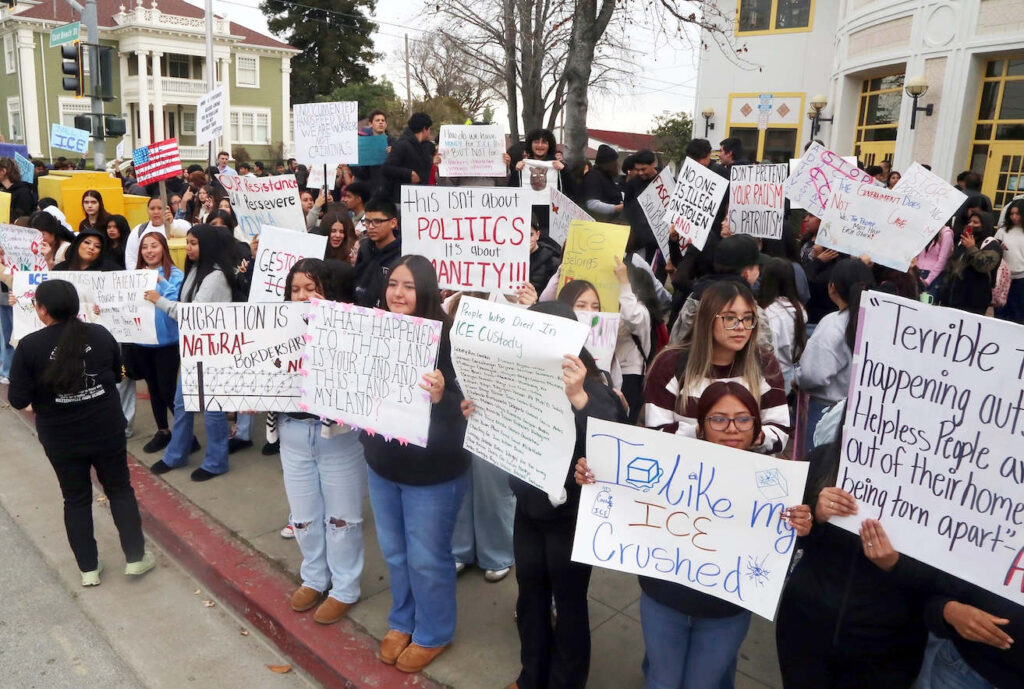
Beyond direct policy changes, educators are grappling with the indirect effects of broader governmental actions. For instance, heightened anxieties within immigrant communities can lead to increased student absenteeism, exacerbating an already critical issue for many schools.
The AI Awakening: Beyond Cheating Concerns
Artificial intelligence is no longer a distant concept but a present reality demanding urgent attention within educational institutions. The conversation is rapidly evolving beyond the initial concerns about academic integrity.
Preparing Students for a Digital Deluge
A more profound question is emerging: how can schools equip children to navigate a world saturated with potentially unreliable digital content? The sheer volume of information, and its questionable veracity, presents a unique challenge for fostering critical thinking skills.
A Potential Tech Backlash
This growing unease might fuel a significant movement in 2026, pushing back against the pervasive presence of technology, especially within the classroom. Educators may begin to re-evaluate the optimal balance between digital tools and traditional learning methods for young students.
The Core Challenge: Re-Igniting Learning
Beneath the surface of technological advancements and policy shifts lies a foundational concern that occupies many leaders' agendas: American students are not demonstrating sufficient academic progress. This widespread issue is prompting a deep dive into innovative solutions.
Innovative Strategies for Engagement
Districts are exploring a wide array of approaches to re-engage students and improve learning outcomes. This includes intensive efforts to bring truant students back into classrooms and the implementation of evidence-based pedagogical practices.
Personalizing the Learning Journey
A key focus is on understanding individual student needs through sophisticated assessment data. The goal is to move beyond one-size-fits-all instruction and tailor learning experiences to maximize each child's potential.
The Evolving Landscape of School Choice
Frustration with stagnant academic results is a significant driver behind the expanding "school choice" movement. This trend, which advocates for redirecting public funds to alternative educational settings, is poised to have a more pronounced impact.
Shifting Enrollment Dynamics
As more families explore charter and private school options, the implications for traditional public schools could become increasingly apparent. The coming year may offer clearer insights into how these enrollment shifts are reshaping the educational ecosystem.
Civics Education Takes Center Stage
As the nation approaches a significant historical milestone, the importance of civics education is being amplified. This provides a unique opportunity for educators to engage students with the principles of governance and citizenship.
Leveraging a Momentous Occasion
With America's 250th anniversary on the horizon, social studies teachers are poised to capitalize on increased interest and available resources. This presents a powerful chance to deepen students' understanding of their role in a democratic society and prepare them for their future as engaged citizens.





 Explore AI Teaching Tools
Comments (0)
Please login to comment
No comments yet
Be the first to comment on this article