
California's Educational Horizon: Navigating a Stable Budget for Schools
After periods of financial uncertainty, California's educational landscape is on the cusp of a more predictable funding future.
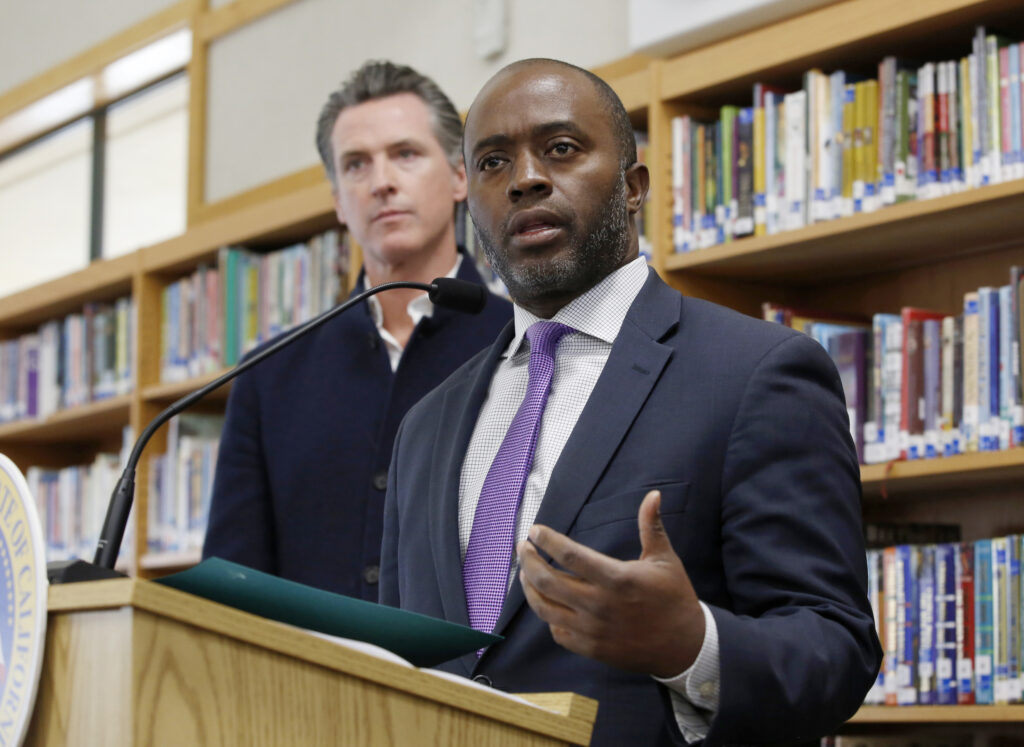
Governor Gavin Newsom has unveiled a budget projection that signifies a significant positive shift, promising enhanced support for vital school programs and a more stable environment for learning across the state.
This development is particularly welcome news for educators, students, and families who have navigated the complexities of fluctuating educational investments.
Forecasting a Brighter Financial Future for California Schools
Governor Newsom has presented an optimistic outlook for the 2026-27 fiscal year, projecting a substantial increase in anticipated state revenues.
This robust financial forecast is poised to translate into more consistent and expanded funding for California's K-12 schools and community colleges.
The governor's office has indicated that this improved fiscal picture will allow for the sustained growth and enhancement of signature educational initiatives that have been central to the state's learning agenda.
The projected revenue figures represent a significant upward revision from previous estimates.
This "windfall," as described by the governor, is expected to provide a much-needed cushion, ensuring that critical programs receive the financial backing they require.
The constitutional mandate, Proposition 98, which dedicates a substantial portion of the state's general fund to education, will benefit directly from this increased revenue, guaranteeing a larger allocation for schools and community colleges.
Key Investments and Programmatic Expansions
Governor Newsom has emphasized that the proposed budget will prioritize and amplify existing successful educational programs.
This includes a renewed commitment to expanding community schools, which offer comprehensive support services beyond traditional academics, and bolstering after-school and summer school programs designed to extend learning opportunities and provide essential childcare for working families.
These initiatives are seen as crucial for addressing the diverse needs of students and ensuring equitable access to educational resources.
The governor's vision extends to the continued support of universal transitional kindergarten, a program that aims to provide all four-year-olds with a strong foundation for future academic success.
The budget is expected to allocate resources that will sustain and enhance the quality of these programs, ensuring they can reach more students and deliver impactful educational experiences.
The focus is on building a more resilient and responsive educational system that can adapt to the evolving needs of California's youth.
Addressing Structural Challenges and Fiscal Volatility
The governor's office has acknowledged that past budgets have sometimes relied on accounting adjustments to balance the books, a practice that can lead to instability.
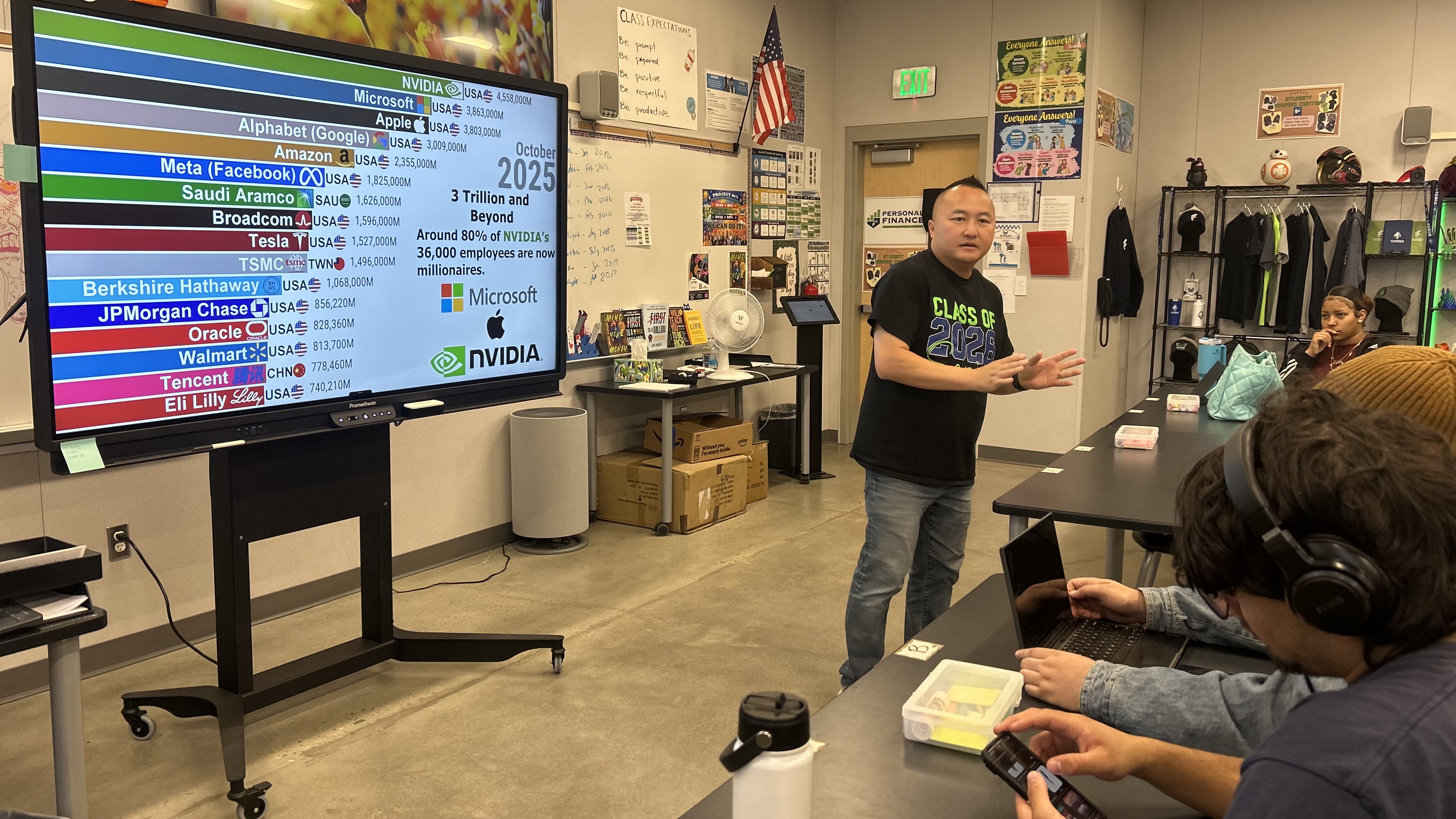
The current revenue surge, partly driven by the booming artificial intelligence sector and its impact on stock market performance and income growth, offers an opportunity to address these long-term structural challenges.
This improved financial standing allows for a more sustainable approach to budgeting, reducing the reliance on temporary measures.
Studies indicate that California's budget has historically been susceptible to market fluctuations.
However, the current economic climate, characterized by strong performance in technology and finance, has created a more favorable environment.
This allows for a more predictable allocation of resources, providing greater certainty for educational institutions and program planners.
The state is working towards a budget that is not only robust but also structurally sound for the future.
Transforming Educational Governance and Oversight
A significant proposed change highlighted by Governor Newsom involves the restructuring of the California Department of Education.
The governor has advocated for a shift in control from the elected State Superintendent of Instruction to the governor and the State Board of Education.
This move is framed as a modernization effort, aimed at streamlining educational management and aligning state-level educational policy more directly with the governor's vision for the state's schools.
This proposed governance change is intended to foster greater efficiency and coherence in the administration of educational programs and policies.
By consolidating oversight, the state aims to implement a more unified and strategic approach to educational development, ensuring that resources are allocated effectively and that educational outcomes are consistently improved across California.
Enhancing Student Support Through Community Schools
The budget proposal includes a substantial financial commitment to expanding the reach and impact of community schools.
These innovative educational hubs are designed to go beyond traditional classroom instruction by offering a wide array of wraparound services.
These services can include health and mental health support, nutritional assistance, family engagement programs, and other resources that address the holistic needs of students, particularly those from low-income communities.
The state has already made significant investments in establishing and supporting community schools, with a growing number of campuses participating in the initiative.
The proposed budget aims to further expand this network, bringing these vital support systems to more schools and students.
This expansion is a testament to the recognized value of community schools in fostering student well-being and academic success by addressing barriers outside the classroom.
Expanding Access to Extended Learning Opportunities
Governor Newsom has pledged to broaden the availability of after-school and summer school programs, making them accessible to every elementary school in the state.
These extended learning opportunities are crucial for providing students with additional academic enrichment, skill development, and a safe, supervised environment outside of regular school hours.
For many working families, these programs also serve as essential childcare solutions.
Historically, these programs have been targeted towards districts with higher concentrations of socioeconomically disadvantaged students, English learners, or foster youth.
However, the recent budget cycle saw a lowering of this threshold, and the current proposal aims for universal access at the elementary level.
This "after-school for all" initiative signifies a commitment to ensuring that all students have the chance to benefit from these enriching experiences, regardless of their school's location or demographic makeup.
Focus on Student Well-being and Digital Citizenship
In addition to academic and programmatic investments, the governor has also addressed concerns regarding the impact of digital technology on young people.
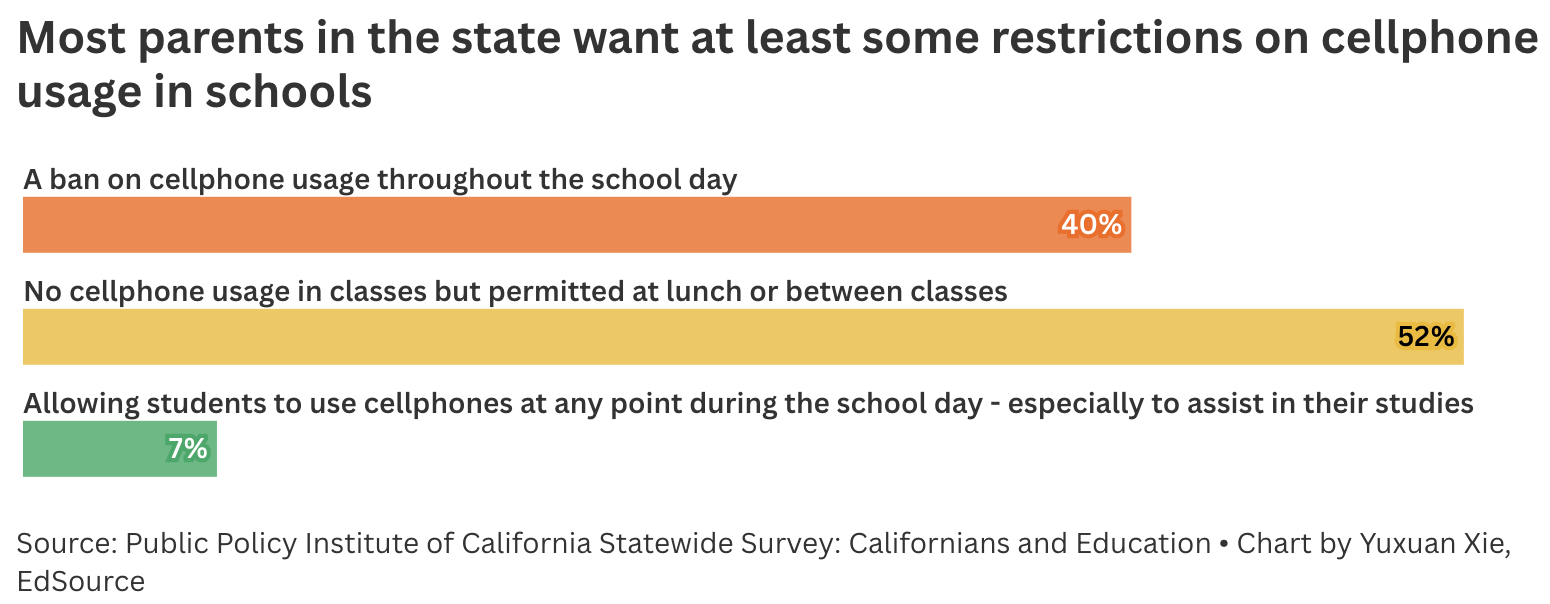
California has been a leader in exploring measures to limit cellphone use in public schools, and the governor has continued to advocate for a thoughtful approach to the digital lives of students.
The conversation has expanded to consider the broader societal implications of excessive screen time and social media engagement.
Research suggests that an overreliance on digital platforms can contribute to issues such as social isolation, anxiety, and a diminished sense of well-being among young people, particularly boys and young men.
The governor's remarks highlight a growing awareness of the need to foster healthy digital habits and ensure that students' lives are not solely defined by online interactions and external validation.
This focus underscores a commitment to the holistic development and mental health of California's students.
Conclusion: A Foundation for Educational Growth
The projected budget for California schools in the upcoming fiscal year signals a period of increased financial stability and expanded opportunities.
Governor Newsom's proposed investments in community schools, after-school and summer programs, and transitional kindergarten, coupled with a more predictable revenue stream, lay a strong foundation for educational advancement.
While challenges remain, this forecast offers a promising outlook for the state's commitment to providing high-quality education and comprehensive support for all its students.
The focus on structural improvements and programmatic enhancements suggests a strategic and forward-thinking approach to shaping California's educational future.




 Explore AI Teaching Tools
Comments (0)
Please login to comment
No comments yet
Be the first to comment on this article