
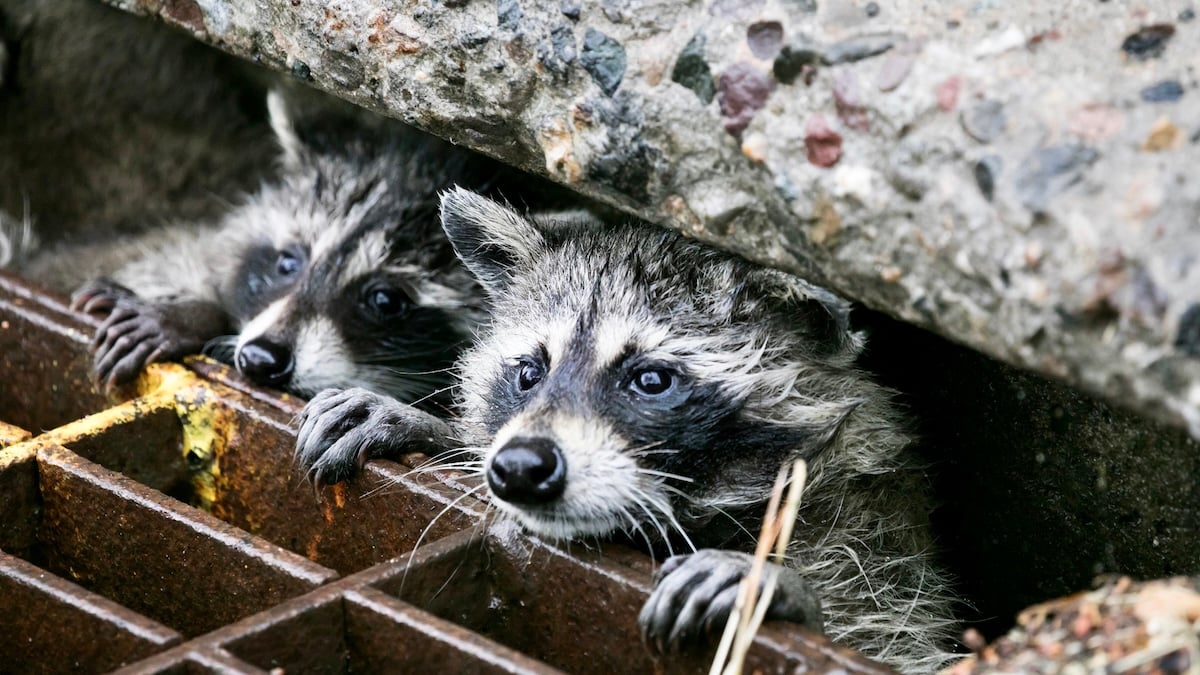
Urban jungles are teeming with more than just concrete and commuters; they're becoming vibrant ecosystems where wildlife is undergoing a remarkable transformation. The sheer ingenuity with which animals are adapting to city life in surprising ways is challenging our understanding of evolution and presenting educators with a powerful, real-world lens through which to explore scientific concepts. This phenomenon offers a compelling narrative for classrooms, highlighting resilience, problem-solving, and the interconnectedness of human and natural environments.
The Urban Safari: Unexpected Neighbors Emerge
Walk through any major metropolis, and you might be surprised by the wild inhabitants sharing our spaces. From coyotes navigating suburban streets to peregrine falcons nesting on skyscrapers, the urban landscape is proving to be a fertile ground for a diverse range of species. This isn't just about survival; it's about thriving in an environment that was once considered inhospitable.
Scientists are increasingly documenting these adaptations, revealing a pattern of behavioral and even physiological changes. These shifts are not random; they are deliberate, often ingenious responses to the unique pressures and opportunities presented by city living. Understanding these changes can spark curiosity and critical thinking in students, bridging the gap between textbook science and the world outside their classroom windows.
When Nature Meets the Grid: Rethinking Urban Habitats
Cities, with their constant noise, artificial light, and altered food sources, present a stark contrast to natural habitats. Yet, many animals are not just tolerating these conditions but actively exploiting them. This ability to adapt suggests a plasticity in animal behavior that is both fascinating and a little bit wild.
Consider the common pigeon, a species often overlooked. Its ability to find food in discarded human waste and navigate complex urban structures is a testament to its adaptability. More striking examples include foxes learning to cross busy roads at specific times when traffic is lighter or raccoons mastering the art of opening garbage bins with surprising dexterity.
"We're seeing animals develop entirely new strategies for foraging, shelter, and even social interaction, all driven by the urban environment," notes Dr. Anya Sharma, a leading urban ecologist. "It's a living laboratory of evolution in action."
The Surprising Ways Animals Are Changing
The adaptations are far more nuanced than simply finding a place to live. Scientists are uncovering surprising ways animals are altering their fundamental behaviors and even their biology.
A Shift in Diet and Digestion
Urban animals often have access to a wider, albeit different, range of food sources. Many are becoming opportunistic omnivores, readily consuming human-provided scraps. This dietary shift can lead to changes in their digestive systems, allowing them to process novel foods more efficiently.
Altering Their Biological Clocks
The constant hum of city life, particularly artificial light at night, is forcing some animals to adjust their activity patterns. Nocturnal creatures might become more active during dawn and dusk, while diurnal species might learn to rest during peak human activity hours. This temporal adaptation is crucial for avoiding conflict and maximizing resource availability.
Navigating the Concrete Maze
Spatial awareness takes on a new dimension in urban settings. Animals are learning to interpret traffic patterns, identify safe routes through dense infrastructure, and utilize human-made structures for shelter and nesting. This includes birds nesting on bridges and mammals using drainage systems for travel.
Communication in the Chaos
The cacophony of a city can interfere with animal communication. Studies have shown birds, for instance, altering their song frequencies to be heard above the urban din. This vocal adaptation is a critical survival mechanism, ensuring mating calls and alarm signals are received.
Educators: Harnessing the Urban Wild for Learning
This unfolding narrative of animal adaptation offers a rich tapestry of opportunities for educators. It provides concrete examples to illustrate complex biological and ecological principles, making learning more engaging and relevant.
Imagine using the behavior of urban foxes to teach about predator-prey relationships or the dietary changes of city birds to discuss adaptation and natural selection. These real-world scenarios can be far more compelling than abstract textbook examples.
Integrating Urban Ecology into the Curriculum
Here are some actionable ways educators can bring the study of urban wildlife adaptation into their classrooms:
- Observation Projects: Encourage students to observe local wildlife in their own communities, documenting behaviors and potential adaptations. This could involve backyard birdwatching or noting animal activity in local parks.
- Research Assignments: Assign students to research specific species known to thrive in urban environments, focusing on their unique adaptations. This could lead to presentations or reports on animals like raccoons, squirrels, or specific bird species.
- Problem-Solving Scenarios: Present students with hypothetical urban wildlife challenges, such as how a new park development might affect local animal populations, and have them brainstorm solutions.
- Data Analysis: Use existing scientific data on urban wildlife to teach students about data interpretation and scientific inquiry.
Tools can enhance these activities. For instance, using Mentofy AI teaching tools for lesson planning can help you craft engaging units on urban ecology, while MentofyCove classroom games like a trivia game can test students' knowledge of animal adaptations in a fun, interactive way.
A recent survey of 1,500 educators revealed that 70% are seeking more real-world examples to engage students, highlighting the demand for topics like urban wildlife adaptation.
The Future of Urban Coexistence
As cities continue to grow, the relationship between humans and urban wildlife will only become more intertwined. Understanding how animals are adapting offers critical insights into the resilience of nature and the impact of human development.
For educators, this presents an unparalleled opportunity to foster a sense of wonder, encourage scientific curiosity, and instill a deeper appreciation for the natural world, even in the heart of our bustling cities. It’s a reminder that life, in its most persistent and ingenious forms, will always find a way to thrive, often in the most unexpected places.





 Explore AI Teaching Tools
Comments (0)
Please login to comment
No comments yet
Be the first to comment on this article