
Unlocking Student Potential: Why Civic Engagement Belongs on the School Dashboard
Imagine a learning environment where academic excellence intertwines seamlessly with active community participation.
For students, this isn't just a dream; it's a powerful pathway to becoming informed, engaged, and empowered citizens.
By integrating the State Seal of Civic Engagement into the crucial school dashboard, we can unlock a new era of education that prioritizes real-world impact, student voice, and a deeper connection to the world around them.
This vital shift promises to elevate learning, foster responsibility, and prepare students for a future where their contributions truly matter.
1.
The Imperative of Civic Education: Beyond Textbooks
Traditional education often focuses on academic benchmarks, leaving a crucial gap in preparing students for their roles as active members of society.
Research consistently shows that a well-rounded education must extend beyond mastering subjects to cultivating an understanding and appreciation for civic life.
This involves not just knowing about democratic processes but actively participating in them.
The State Seal of Civic Engagement, a recognition of students who demonstrate commitment to their communities, represents a significant step in bridging this gap.
However, its true potential can only be realized when it's prominently featured and valued within the educational system's accountability frameworks.
The absence of such a seal on key educational indicators, like those found on a comprehensive school dashboard, signifies a missed opportunity to formally acknowledge and encourage the development of civically minded individuals.
When schools are evaluated and recognized for academic achievements alone, the vital work of fostering active citizenship can become an afterthought.
By bringing the Seal of Civic Engagement into these prominent spaces, we signal to schools, educators, and students that civic responsibility is not an optional add-on but a core component of a complete and impactful learning experience.
This integration serves as a powerful incentive for schools to prioritize and invest in programs that nurture these essential skills and values.
2.
Elevating Student Voice and Agency Through Civic Action
One of the most profound impacts of embedding civic engagement into the school's accountability system is the amplification of student voice.
When schools are motivated to achieve a civic engagement seal, they are naturally driven to create more opportunities for students to move beyond passive learning.
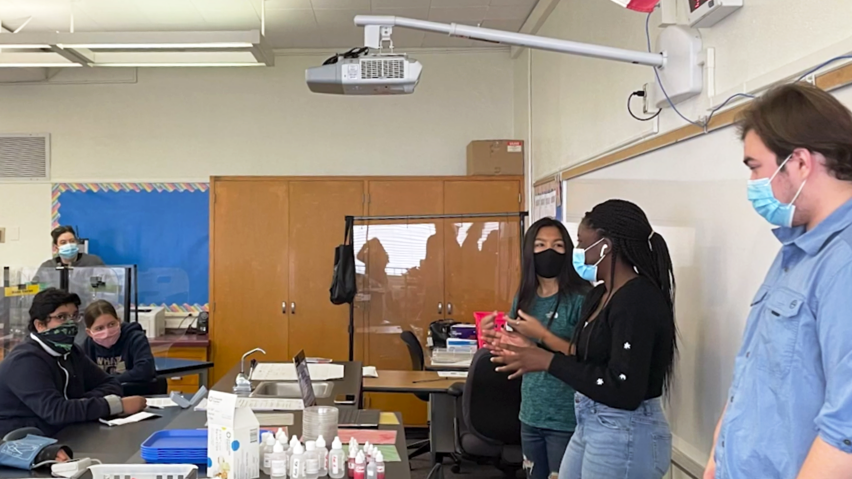
This means shifting from a model where students are merely recipients of information to one where they are active participants, leaders, and change-makers within their schools and communities.
The learning process becomes more dynamic and student-centered, fostering a sense of ownership over their educational journey and their role in society.
This shift cultivates essential skills such as leadership, critical thinking, and problem-solving as students tackle real-world challenges.
They learn to articulate their ideas, collaborate with others, and advocate for causes they believe in.
This hands-on experience not only deepens their understanding of democratic principles but also instills a powerful sense of empowerment and responsibility.
When students see their efforts making a tangible difference, their motivation to learn and contribute grows exponentially.
This active participation is crucial for developing lifelong civic habits, encouraging them to vote and engage in our democracy long after they leave the classroom.
Furthermore, the inclusion of civic engagement metrics on the school dashboard encourages a move away from traditional, teacher-led instruction towards more innovative, student-driven approaches.
This could manifest in various ways:
- Project-Based Learning: Students engage in in-depth projects that address community needs, allowing them to apply classroom knowledge in practical, meaningful ways.
- Community Partnerships: Schools forge stronger ties with local organizations, creating authentic learning experiences that connect students with real-world issues and potential solutions.
- Student-Led Initiatives: Empowering students to design and implement their own civic projects, fostering autonomy and a sense of purpose.
- Deliberative Dialogue: Creating safe spaces for students to discuss complex social and political issues, developing their ability to engage in respectful and informed discourse.
These approaches ensure that learning is not confined to the classroom walls but extends into the fabric of the community, making education more relevant and impactful for every student.
3.
Fostering Well-being and Belonging Through Service Learning
The connection between civic engagement and student well-being is increasingly recognized by educational researchers.
Studies indicate that when students engage in meaningful service learning, they develop a stronger sense of purpose and belonging, which can significantly contribute to their mental and emotional health.
By embedding service learning into the curriculum, schools can create more holistic learning experiences that connect academic content with tangible community impact.
When students work on projects that address real-world problems, they not only learn about the issues but also engage emotionally and intellectually with the material.
This emotional investment can lead to a deeper understanding and a greater sense of connection to their studies and their community.
Service learning provides a vital avenue for students to apply what they’ve learned in the classroom to make a tangible difference, which can enhance their sense of agency and improve their overall emotional well-being.
This is particularly important in today's world, where many students seek meaning and purpose in their learning.
Schools that prioritize civic engagement are thus better positioned to support the mental and emotional health of their students.
This goes beyond traditional academic instruction by providing avenues for students to:
- Develop Empathy: Understanding and connecting with the experiences of others.
- Build Resilience: Overcoming challenges and learning from setbacks in community projects.
- Cultivate Gratitude: Appreciating their own circumstances and the efforts of others.
- Experience Social Connection: Working collaboratively with peers and community members.
By recognizing and rewarding these efforts through a civic engagement seal on the dashboard, schools are encouraged to develop instructional models that actively nurture these aspects of student development, leading to a more supportive and enriching learning environment for all.
4.
Connecting Learning to Careers: The Civic Pathway
A particularly exciting opportunity presented by the State Seal of Civic Engagement is its potential to powerfully integrate civic education with career exploration.
Schools can strategically align civic projects with existing career pathway programs, offering students invaluable hands-on learning experiences directly related to their potential college majors and career interests.
This makes learning more relevant and provides students with early exposure to future career opportunities.
For instance, students interested in public service could engage in projects focused on local government operations or policy advocacy.
Those passionate about environmental sustainability might participate in community clean-up initiatives or conservation efforts.
Future healthcare professionals could volunteer at local clinics or participate in public health awareness campaigns.
By linking civic engagement with career pathways, schools demonstrate the practical application of academic knowledge in diverse professional fields.
This integration ensures that students are better prepared not only for post-secondary education but also for the demands of the modern workforce.
They develop a portfolio of experiences that showcase their skills, initiative, and commitment, making them more competitive applicants for colleges and jobs.
The civic engagement seal becomes a testament to their ability to apply learning in real-world contexts, a highly sought-after attribute by employers and higher education institutions alike.
This approach transforms civic education from an abstract concept into a concrete pathway for personal and professional growth.
Key benefits of this integration include:
- Enhanced Relevance: Students see a direct link between their academic studies and potential career paths.
- skill development: Practical experience in areas like project management, communication, and teamwork.
- Informed Decision-Making: Students gain clarity on their interests and aptitudes, aiding in future educational and career choices.
- Networking Opportunities: Building connections with professionals in their fields of interest.
By making civic engagement a visible and valued component of a student's academic record, we can inspire them to explore diverse career options while simultaneously contributing to the betterment of society.
5.
Driving Instructional Shifts to Address Societal Challenges
The inclusion of the State Seal of Civic Engagement on the school dashboard acts as a powerful catalyst for instructional shifts that directly address pressing societal issues.
When schools are incentivized to achieve this seal, they are naturally encouraged to create project-based learning opportunities that tackle local and global challenges such as climate change, affordable housing, healthcare access, and mental health awareness.
This hands-on approach prepares students to think critically and creatively, making their learning more meaningful and applicable to real-world contexts.
By engaging in civic projects that address these critical issues, students develop the essential skills necessary to analyze complex problems, research potential solutions, and implement action plans.
They learn to gather information, evaluate evidence, and collaborate with others to effect positive change.
This process not only deepens their understanding of the issues but also empowers them to become active participants in finding solutions.
The seal encourages schools to foster a learning environment where students can directly connect their education to the challenges facing their communities and the world, making learning a force for good.
This focus on real-world problem-solving leads to several key instructional advancements:
- Interdisciplinary Learning: Projects often require students to draw upon knowledge from multiple subject areas, fostering a more integrated understanding of complex issues.
- Critical Inquiry: Students are encouraged to question assumptions, analyze root causes, and develop innovative solutions.
- Action-Oriented Learning: The emphasis is on not just understanding problems but taking concrete steps to address them.
- Global Citizenship: Students develop an awareness of interconnected global challenges and their role in contributing to solutions.
By prioritizing civic engagement, schools can cultivate a generation of students who are not only academically proficient but also equipped with the skills and mindset to tackle the most significant challenges of our time.
6.
Cultivating Active Citizenship and Democratic Participation
The State Seal of Civic Engagement plays a crucial role in promoting active citizenship by encouraging schools to design lessons that emphasize democratic participation, voter registration, and civic responsibility.
By embedding these democratic practices directly into the curriculum, schools ensure that students are not only knowledgeable about important issues but also understand the fundamental importance of participating in democratic processes.
This instructional shift is vital for preparing students to be informed and engaged citizens beyond graduation, ultimately helping to create a more vibrant and participatory democracy.
Students who understand the value of their voice and their vote are more likely to carry those values into adulthood, becoming lifelong advocates for their communities and society at large.
The seal acts as a tangible recognition of their commitment to these principles, reinforcing the idea that active participation is a cornerstone of a healthy democracy.
This proactive approach to civic education is essential for ensuring the long-term health and vitality of democratic institutions.
Key elements of this focus on active citizenship include:
- Civic Literacy: Understanding the structure and function of government, rights and responsibilities of citizens, and key policy issues.
- Civic Skills: Developing abilities such as advocacy, deliberation, negotiation, and community organizing.
- Civic Dispositions: Fostering values like respect for diversity, commitment to the common good, and a belief in the power of collective action.
- Civic Action: Encouraging participation in activities like voting, volunteering, contacting elected officials, and engaging in peaceful protest.
By making civic engagement a visible and valued aspect of education, we empower students to become confident and effective participants in the democratic process, ensuring that their voices are heard and their contributions are valued.
Conclusion
Integrating the State Seal of Civic Engagement into the school dashboard is more than just an administrative change; it's a fundamental shift towards a more holistic, relevant, and empowering educational model.
By formally recognizing and incentivizing civic participation, schools can foster student voice and agency, enhance well-being, connect learning to career aspirations, and equip students with the skills to address critical societal challenges.
This vital initiative prepares students not only for academic and professional success but also for meaningful and active engagement in their communities and in the democratic processes that shape their world.
Embracing the Seal of Civic Engagement is a crucial step toward cultivating a generation of informed, responsible, and empowered citizens ready to contribute to a more equitable and thriving future for all.




 Explore AI Teaching Tools
Comments (0)
Please login to comment
No comments yet
Be the first to comment on this article