
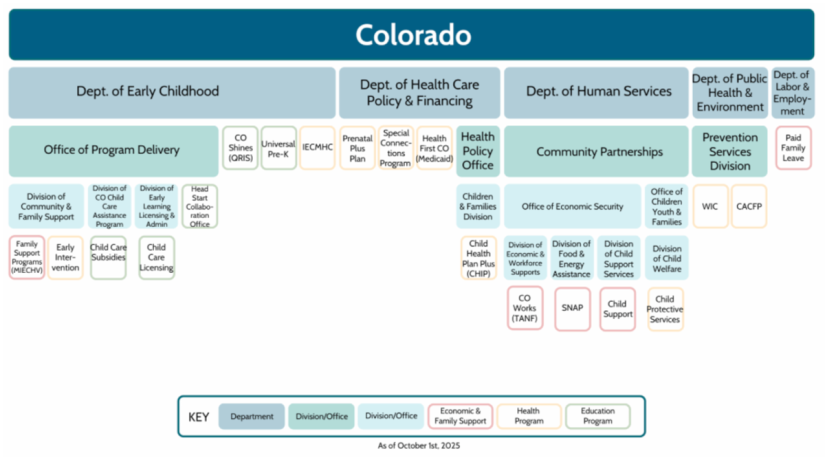
Illinois is the latest state to consolidate its early childhood programs under a single, dedicated department, a move that signals a significant shift in how states are prioritizing and structuring support for their youngest citizens and the educators who serve them. This trend, seen in states like Colorado and New Mexico, suggests a growing recognition that fragmented systems hinder access and effectiveness, prompting a reevaluation of governance for early childhood education and care.
A Unified Front for Early Childhood: Why States Are Consolidating
For decades, services and programs for young children and their families have been scattered across various state agencies, including education, health, and social welfare departments. This historical fragmentation has often led to a confusing and disjointed experience for parents seeking crucial resources and for educators navigating complex administrative landscapes.
The establishment of standalone departments of early childhood aims to dismantle these silos. By bringing programs under one roof, states are striving to create a more seamless and supportive ecosystem for children, families, and providers. This consolidation is not just about administrative efficiency; it's about recognizing early childhood education as a critical, interconnected system.
“Having things scattered across different agencies just makes things confusing for families.”
This sentiment is echoed by leaders in states that have already made the transition. The goal is to alleviate the burden on families and educators who previously had to track down multiple contacts and understand different agency regulations. A unified department promises a more accessible and navigable pathway to essential services.
Bridging the Leadership Vacuum in Early Childhood
Beyond simplifying access for families, the splintering of early childhood oversight across multiple agencies has historically created a leadership vacuum. When no single entity has early childhood education as its primary focus, systemic improvements can falter.
During critical periods, such as the pandemic, agency leaders were often pulled in different directions, with their core mandates taking precedence. This meant that early childhood programs, while still overseen, might not have received the dedicated attention and strategic prioritization they deserved. The result was often a system run by middle managers, lacking the empowered, system-wide perspective needed for true advancement.
The creation of a dedicated department elevates early childhood education to a cabinet-level priority. This ensures that there is a senior leader whose sole responsibility is to champion the needs of young children and their families, fostering a more cohesive and impactful approach to policy and programming.
The Governor's Role: A Catalyst for Change
A common thread among states that are successfully establishing and empowering these new departments is strong gubernatorial leadership. Governors who prioritize early childhood education in their platforms often become the driving force behind structural reforms.
This executive championship is crucial. It signals the importance of early childhood education not just to the public, but also to other state agencies and legislative bodies. When a governor champions this cause, it’s like "wind in the sails" for the entire early childhood sector.
Elevating the Conversation at the Highest Levels
Having a dedicated Secretary of Early Childhood at the governor's cabinet table is more than symbolic. It means that critical decisions affecting young children and their families are made with direct input from an advocate who understands the nuances of the field. This allows for real-time collaboration and resource leveraging across different state priorities.
This direct access and consistent dialogue enable leaders to address challenges and opportunities with greater agility and effectiveness. It transforms early childhood education from a program managed by one department among many, to a core strategic initiative for the entire state.
Building a System, Not Just a Department
While the formation of a new department is a significant step, the real work lies in building a cohesive and well-aligned system of programs and services. This requires more than just consolidating existing structures; it demands a strategic vision for how all components of early care and education can work together.
New Mexico's experience highlights the impact of such a focused approach. The state's ability to implement groundbreaking initiatives, like its universal free child care program, was significantly enhanced by channeling energy and resources under a single leader. This unified direction fosters efficiency and accelerates progress.
“It is much more efficient and effective to channel all that time, energy and resources ‘in one direction, under one leader.’”
This principle extends to how educators can leverage tools and resources. For instance, platforms that offer integrated solutions for lesson planning, assessment, and classroom engagement can mirror this systemic approach. Tools like Mentofy AI teaching tools, which provide AI lesson plan generation and an exam creator, help streamline educators' workflows, allowing them to focus more on teaching and less on administrative fragmentation.
Lessons from the Pioneers: Charting a Path Forward
States like Georgia, Massachusetts, and Washington were early adopters of standalone early childhood departments in the early 2000s. Their experiences offer valuable insights for states embarking on this journey.
Key takeaways from these pioneers include the importance of patience and thoughtful iteration. Establishing a comprehensive system takes time, and it's crucial to get the foundational pieces right. The process may involve many adjustments, and the final structure should be tailored to each state's unique context and needs.
Key Principles for Establishing Early Childhood Departments:
- Take Your Time: Rushing the process can lead to missteps. Allow for thorough planning and phased implementation.
- Context Matters: Design a system that aligns with your state's specific demographics, existing infrastructure, and policy goals. There is no one-size-fits-all solution.
- Culture Change is Gradual: Shifting perceptions and deeply ingrained practices takes persistent effort and time.
Furthermore, understanding that the perception of early childhood educators has evolved is vital. What was once viewed as simple "babysitting" is now recognized as a critical foundation for lifelong learning and societal well-being. This cultural shift, though slow, is essential for sustained investment and policy support.
The Enduring Test: Sustainability and Impact
The creation of a dedicated early childhood department is a powerful signal of a state's commitment. However, its long-term success hinges on its ability to withstand leadership changes and maintain its strategic focus.
A new governor, potentially from a different political party, could shift priorities. The true test for these departments will be their resilience and their capacity to demonstrate tangible benefits for children, families, and educators, thereby solidifying their importance regardless of political winds.
While the question of whether every state *should* create such a department remains open to debate, the trend indicates a clear movement towards prioritizing early childhood education. The successful models demonstrate the potential for more efficient resource allocation, better program alignment, and ultimately, enhanced outcomes for the youngest learners across the nation. For educators, this evolving landscape offers the promise of more cohesive support systems and a stronger voice for the crucial work they do every day. This is a critical moment for early care and education, and the establishment of these departments is a testament to its growing significance.




 Explore AI Teaching Tools
Comments (0)
Please login to comment
No comments yet
Be the first to comment on this article