
North Carolina's literacy efforts are entering a crucial new phase, shifting from broad implementation to embedding sustainable, systemic change. This transition, much like an astronaut relying on a dedicated team for a lunar mission, underscores that no single entity can achieve the ambitious goal of ensuring every child becomes a proficient reader. For educators, this means a renewed focus on building internal capacity and fostering leadership that can drive literacy improvements long after state-level initiatives conclude.
The Next Frontier: Cultivating Local Leadership for Lasting Literacy
The state's journey has seen significant investment in foundational reading skills, with educators embracing research-backed approaches and professional development like LETRS. This foundational work has established a common understanding of how children learn to decode. Now, the focus is on ensuring this progress endures by empowering those within districts and schools to become the architects of their own literacy success.
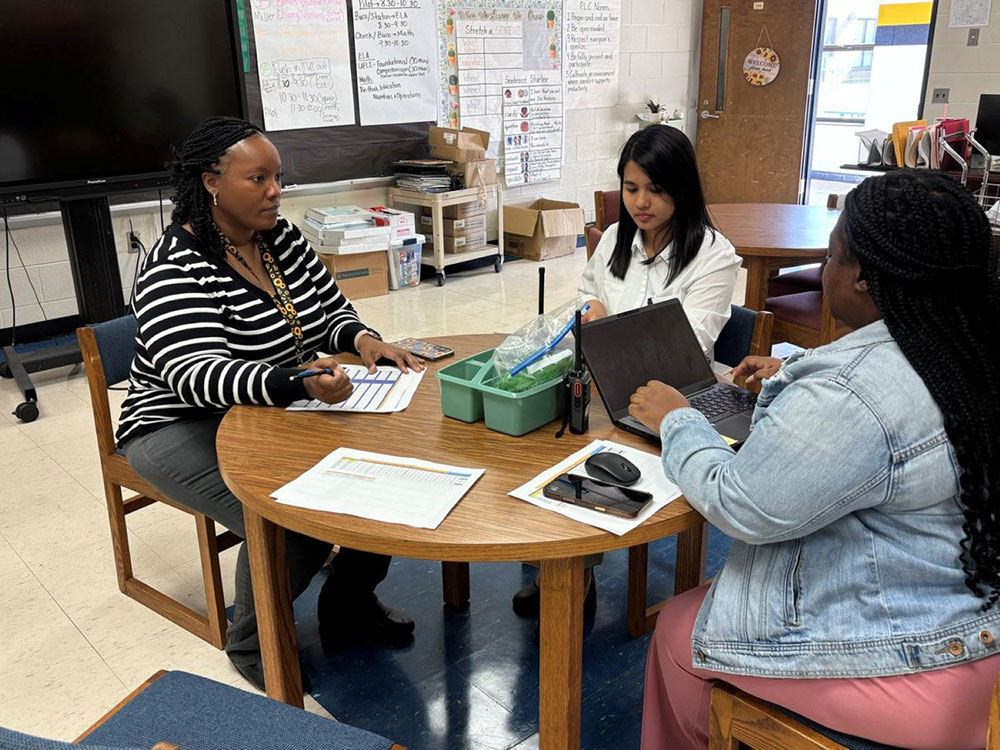
Cynthia Barber, director of the Office of Early Learning, emphasizes the need for long-term sustainability, noting that the limited number of Early Literacy Specialists necessitates a strategy to scale their impact. This involves equipping local leaders and coaches with the knowledge and skills to champion literacy within their own systems.
"We're not just coaching instruction," explained Mary Derfel, assistant director of early literacy. "We're coaching systems that improve instruction."
This distinction is vital: while excellent teaching is the bedrock of strong literacy, lasting improvement hinges on creating systems that perpetuate that excellence, independent of external support.
Building Capacity from Within: A Gradual Release of Responsibility
Initially, Early Literacy Specialists played a broad role, guiding districts through the early stages of Science of Reading implementation. They provided crucial support in developing knowledge, processes, and the capacity for evidence-based literacy instruction.
As districts have matured and built internal expertise, the role of specialists is evolving. They are now concentrating their efforts more intensively on fewer schools, aiming to cultivate local leadership and foster the skills needed for sustained improvement. This strategic shift ensures that effective coaching, instructional decision-making, and collaborative problem-solving become ingrained practices.
The state is also extending its "Fundamentals of Literacy Coaching" training to instructional coaches and leaders statewide through free virtual professional learning. This initiative is designed to bolster existing coaching capacity within school systems, embodying a philosophy of gradually releasing responsibility to local educators.
The goal is not to create another temporary program, but to embed the skills and strategies that enable districts to own and drive their literacy initiatives. This approach fosters a culture of continuous improvement where evidence-based tools and coaching practices are integrated into the daily fabric of education.
The Pivotal Role of Principals in the Literacy Ecosystem
School principals are often at the forefront of educational change, navigating a complex landscape of competing demands. While literacy is a top priority, it must contend with staffing, budgets, student behavior, and myriad other operational challenges.
Recognizing this reality, North Carolina's Office of Early Learning is developing professional learning specifically tailored for school leaders. This initiative moves beyond classroom instruction to deepen principals' understanding of implementation science, systems thinking, and instructional coaching.
By equipping principals with these insights, the state aims to empower them to create the optimal conditions for effective literacy instruction to flourish consistently. When leaders grasp how coaching, professional development, and organizational systems intersect, they are better positioned to foster environments where teaching and learning thrive.
Beyond Decoding: Elevating Language Comprehension
North Carolina's focus on foundational reading skills has yielded significant gains in decoding instruction. However, true reading success extends far beyond word recognition. Students require robust vocabulary, extensive background knowledge, and opportunities for deep engagement with complex texts.
Strengthening language comprehension is identified as the next critical phase in the state's literacy journey. Partnerships with organizations like the Mebane Early Literacy Center are providing statewide professional learning focused on this vital area.
These collaborations are also bridging the gap between literacy research and classroom practice, with university faculty working alongside educators to develop resources and refine instructional strategies. Furthermore, these partnerships are strengthening connections with Educator Preparation Programs, ensuring that future teachers enter the profession with a comprehensive understanding of literacy development.
- Focus on Language Comprehension: Moving beyond decoding to build vocabulary, background knowledge, and critical thinking skills.
- University-Industry Partnerships: Collaborating with academic institutions to translate research into practical classroom applications.
- Teacher Preparation Alignment: Ensuring new educators are equipped with the latest evidence-based literacy practices.
The Quiet Work of Sustained Excellence
While the visible fanfare of statewide initiatives may have diminished, North Carolina's literacy work is entering its most impactful phase. The urgency of initial training has given way to the steady, deliberate work of coaching, layered implementation, and continuous improvement.
This quieter, more localized approach signifies that implementation is moving closer to the students. Barber notes that districts across North Carolina are making meaningful progress, with educators increasingly moving in the right direction, even as their approaches adapt to local contexts.
"I believe we have the infrastructure to support districts at every stage of implementation," Barber stated. "It’s encouraging to see districts across North Carolina making meaningful progress."
The ultimate measure of success lies not only in stronger classrooms today but in the enduring capacity of these systems to sustain improvement for generations. This means embedding effective instruction, expert coaching, and strong instructional leadership into the very culture of schools and districts.
This enduring change unfolds through various avenues: instructional coaches collaborating with teachers to solve challenges, principals recognizing the need for both patience and urgency in implementation, districts sharing best practices, universities learning alongside practitioners, and educators at all levels embracing their role in a shared mission. While less conspicuous than a large-scale rollout, this is the work that builds lasting educational legacies.
North Carolina's literacy story is still being written, with its next chapter defined not by a single initiative, but by the collective efforts in classrooms, coaching sessions, leadership meetings, and collaborative partnerships across the state. Every instructional decision, every coaching conversation, and every shared success reinforces the foundation for lasting progress.
Inspired by the vision of reaching beyond individual goals, North Carolina's educators are pursuing a "moonshot" that extends beyond immediate reading scores. Their true ambition is to build a literacy system that continuously learns, adapts, and improves, fostering a culture where educators refine their practice, schools build capacity, and every child has the opportunity to become a confident, capable reader. This is the legacy that shapes generations to come.





 Explore AI Teaching Tools
Comments (0)
Please login to comment
No comments yet
Be the first to comment on this article