
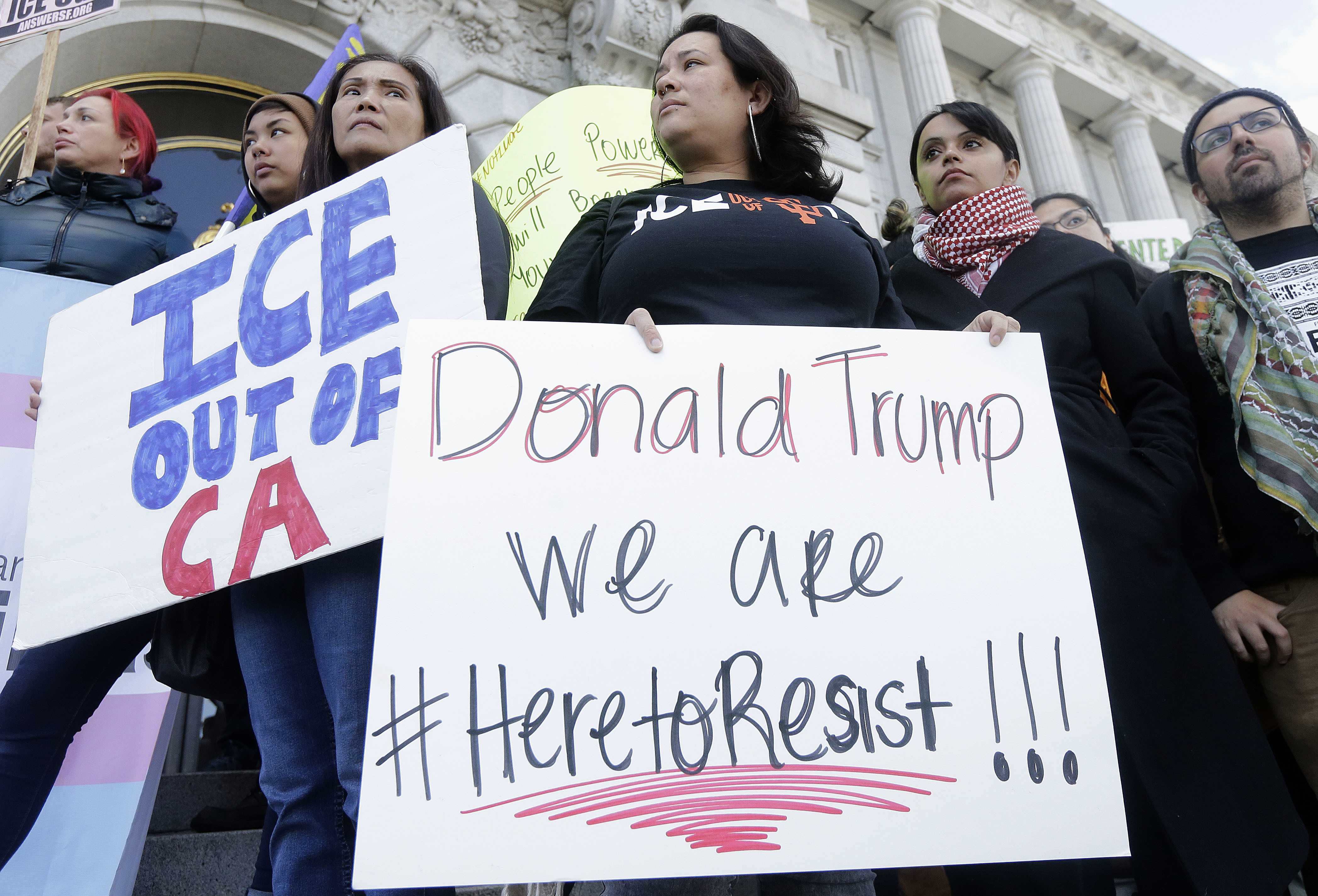
California Braces for Federal Clash: Trump's Second Term Ignites Education Policy Battleground
The prospect of a second Donald Trump presidency has sent ripples of apprehension through California's education landscape, setting the stage for a potential period of intense conflict and legal challenges. The state's progressive policies and values, often at odds with the former president's ideology, now face direct scrutiny and potential federal pressure.
A Deepening Divide: Federal Funding and Ideological Battles
A central point of contention revolves around federal funding. Trump has previously signaled a willingness to withhold financial support from states like California that implement policies he deems contrary to his vision, particularly those protecting transgender students and promoting diversity, equity, and inclusion. This threat looms large, as federal funds constitute a significant, albeit not dominant, portion of California's education budget.
Governor Gavin Newsom has been a vocal critic, stating that any attempt to leverage federal funding to dictate state policy would be met with staunch resistance. The governor's office has emphasized a commitment to defending the state's constitutional rights and upholding the principles of federalism, asserting that California will not yield to federal mandates that infringe upon its autonomy.
The potential financial leverage is substantial. Reports indicate that a significant sum, approximately $7.9 billion, representing the total annual federal K-12 funding for California, could be at risk. This figure, while representing roughly 7% of the state's total education expenditure, underscores the gravity of the potential federal intervention.
Legal Defenses and Policy Realignments
California's legal apparatus is reportedly preparing for a wave of potential litigation. Attorney General Rob Bonta has indicated that his team is actively strategizing to counter anticipated federal policies. These preparations include defending the rights and protections afforded to transgender youth, as well as safeguarding immigrant families against potential mass deportation initiatives.
This proactive stance is not unprecedented. California has a history of challenging federal actions, having engaged in numerous lawsuits against the federal government during Trump's previous term. Experts suggest that a second term could see a renewed focus on these legal battles, with the state aiming to protect its established policies.
The Specter of Budget Cuts and Shifting Priorities
Concerns are also mounting regarding the broader economic implications of potential federal tax policies. Some analysts fear that significant tax cuts for affluent Americans could be offset by reductions in public education funding. This could lead to a scenario where federal resources are diverted, potentially impacting the operational capacity of schools across the state.
There is also speculation about a potential expansion of school choice initiatives, such as voucher programs and tax credits. These programs, often favored by those seeking alternatives to traditional public education, could gain federal impetus, potentially drawing resources away from public schools and benefiting families with the means to utilize private options.
Ideological Clashes Over Curriculum and Control
Beyond funding and legal challenges, a fundamental ideological clash is emerging regarding the very nature of education. Trump has expressed a strong interest in federal involvement in local decision-making, a stance that appears to contradict the principles of the Every Student Succeeds Act (ESSA), the cornerstone of federal education policy. ESSA generally limits federal intervention in curriculum development and teacher evaluations.
Proposals such as requiring parents to elect principals, curbing teacher tenure, and instituting merit-based pay systems are reportedly under consideration. Furthermore, there is a stated intention to scrutinize school curricula for what is described as "woke" ideology, signaling a desire to influence the content and values imparted to students.
This potential federal overreach into curriculum and teacher professional development raises significant questions about the balance of power between federal and state education authorities. The Every Student Succeeds Act, designed to empower states and local districts, could face significant pressure if federal directives aim to reshape these fundamental aspects of education.
Student Debt and the Future of Higher Education Support
The implications of a second Trump administration extend beyond K-12 education, with significant potential consequences for higher education and student debt relief. Advocates for student borrowers express deep concern over proposals that could dismantle existing protections and support systems for those with outstanding student loans.
The potential dismantling of the Department of Education and a rollback of hard-won borrower protections could leave millions of Americans struggling under the weight of student debt. This could also lead to an increase in enrollment at for-profit institutions, which may be perceived as less regulated and potentially more predatory, further exacerbating financial burdens for students.
The Shadow of Deportation: Fear and Instability in Communities
Perhaps the most deeply felt concern within California is the pledge to enact widespread deportations of undocumented immigrants. This policy carries profound implications for a state with a large immigrant population, including millions of children with undocumented parents and a substantial number of recent immigrant students.
The fear and anxiety generated by such a policy are palpable. In the past, similar rhetoric and actions have led to a noticeable drop in school attendance, as families grapple with the uncertainty and trauma of potential separation. This instability can profoundly disrupt the educational experience for students, impacting their well-being and academic performance.
State leaders have vowed to protect their immigrant communities, emphasizing the devastating economic and social consequences that mass deportations would inflict upon California. The commitment to ensuring that all residents, regardless of immigration status, feel safe and welcomed is a central tenet of the state's response.
Educators on the Front Lines: Navigating Fear and Uncertainty
The impact of a potential Trump presidency is also being felt directly by educators and students. Teachers report that students are expressing significant anxiety and concern, reminiscent of the atmosphere following the 2016 election. The promise of mass deportations and the perceived anti-immigrant sentiment create an environment of fear and uncertainty within school walls.
Educators are preparing to provide emotional support and create safe spaces for students to process their reactions and concerns. The experience of 2016, where students exhibited melancholy and worry, is a stark reminder of the human toll such policies can take on young learners.
Beyond student well-being, the role of teachers themselves is under scrutiny. Proposals to create new credentialing agencies focused on "patriotic values" and to abolish teacher tenure suggest a federal push to reshape the teaching profession and potentially influence pedagogical approaches. This could lead to increased pressure on educators and potentially impact teacher retention.
A United Front: Teachers' Unions and Advocacy Groups Mobilize
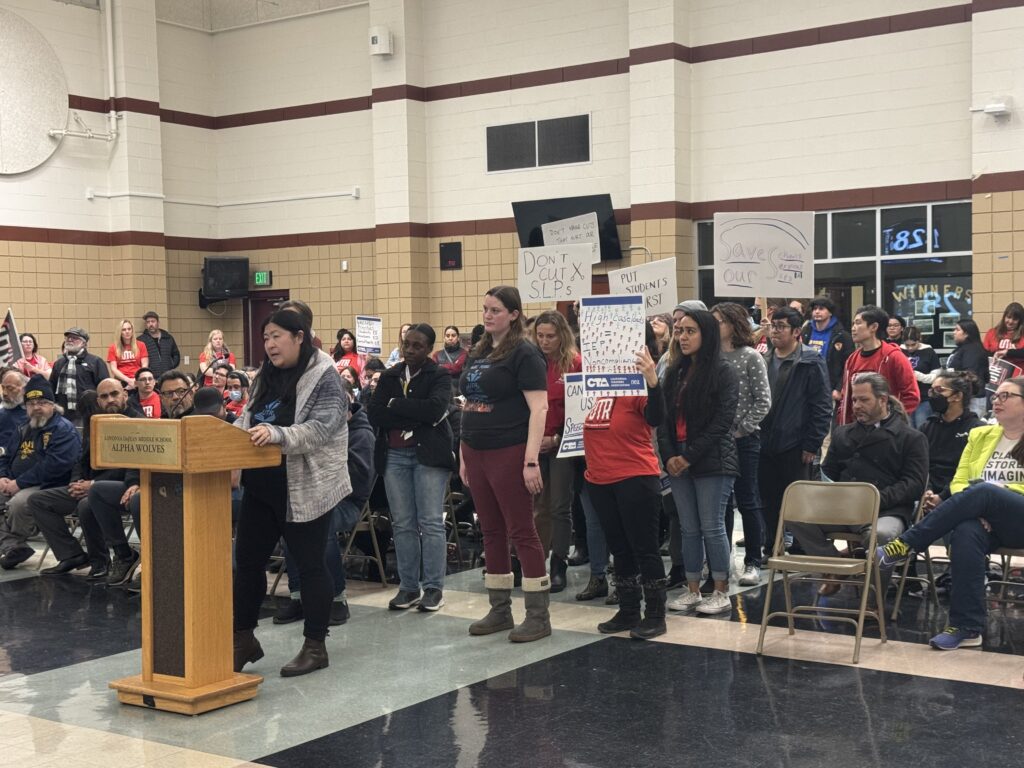
In response to these potential challenges, teacher unions and advocacy groups are mobilizing. Organizations representing hundreds of thousands of educators are preparing to defend students, public education, and workers' rights. They emphasize their commitment to fighting against any perceived attacks on the education system and the communities it serves.
The strength of these collective voices and their capacity for advocacy will be crucial in navigating the complex and potentially contentious landscape ahead. The coming period promises to be a defining moment for education policy in California and across the nation, as state and federal authorities grapple with differing visions for the future of schools and students.




 Explore AI Teaching Tools
Comments (0)
Please login to comment
No comments yet
Be the first to comment on this article