
Navigating School Budget Crises: Balancing Staffing and Student Services in the West Contra Costa District
Facing the perennial challenge of fiscal responsibility, school districts across the nation, including the West Contra Costa district, are grappling with difficult decisions that pit essential staff positions against vital student services.
This article delves into the intricate balancing act school boards undertake when confronted with budget deficits, exploring the profound impact these choices have on students and the broader educational landscape.
We will examine the strategies employed, the compromises made, and the long-term implications for ensuring a quality education for all students.
The Unavoidable Crossroads: Staffing vs.
Student Support
educational institutions are often caught in a budgetary bind, where the imperative to maintain fiscal solvency clashes directly with the need to adequately staff schools and provide comprehensive support for students.
In many districts, this dilemma forces administrators and board members to make agonizing choices.
The core of the issue lies in the significant portion of a school district's budget allocated to salaries and benefits, making staffing adjustments a primary lever for cost reduction.
However, such cuts can have a ripple effect, directly impacting the quality of education and the support systems available to students, particularly those who are most vulnerable.
Research indicates that when school districts face budget shortfalls, the temptation to reduce personnel is strong.
This is often seen as a direct way to address a deficit.
However, the consequences for student learning and well-being can be severe.
Positions such as counselors, psychologists, speech therapists, and specialized educators are frequently on the chopping block.
While these cuts might seem like a necessary evil to balance the books, they can exacerbate existing educational gaps and hinder the progress of students who rely on these critical services for academic and emotional support.
The district's commitment to providing an excellent education is tested when the very staff needed to deliver that education are reduced.
Deconstructing the Decision-Making Process in the West Contra Costa District
The West Contra Costa district recently found itself at the center of such a debate, highlighting the complexities involved in school board governance.
Faced with a substantial budget deficit, the board was presented with proposals that involved significant staffing reductions.
The initial plan, which aimed to eliminate a considerable number of positions, underwent intense scrutiny and debate among board members, educators, parents, and community advocates.
This process underscores the often contentious nature of budget decisions and the diverse perspectives that must be considered.
The debate within the West Contra Costa school board exemplified a common struggle: how to reconcile competing priorities.
Some board members argued for prioritizing fiscal stability above all else, emphasizing the long-term health of the district and the importance of maintaining local control over decision-making.
They posited that without a sound financial footing, the district's ability to provide any services, let alone robust ones, would be compromised.
This perspective often centers on the idea that fiscal solvency is the bedrock upon which all educational endeavors are built.
Without it, the entire structure is at risk of collapse, potentially leading to state intervention and a loss of autonomy.
Conversely, other board members championed the preservation of specific staff positions, recognizing their indispensable role in supporting student success.
Their focus was on the immediate and tangible impact of staff cuts on the learning environment.
They argued that certain positions, particularly those directly involved in instruction and student support, were non-negotiable.
The concern was that eliminating these roles would disproportionately affect students who require additional academic assistance, English language learners, and students with disabilities, thereby widening existing achievement gaps.
The sentiment expressed was that the district's core mission is to serve its students, and any decision that undermines this mission, even for financial reasons, is a step in the wrong direction.
The Impact of Compromise on Student Services
When a compromise is reached, as it was in the West Contra Costa district, the implications for student services can be profound.
The decision to reduce staff, even if fewer positions are ultimately cut than initially proposed, often necessitates diverting funds from other crucial areas.
In this specific case, saving certain teaching and psychologist positions meant that the district had to consider utilizing funds earmarked for other student-focused initiatives, such as curriculum development.
This creates a difficult trade-off: investing in personnel might mean a reduction in resources for instructional materials or programs designed to enhance learning.
Studies indicate that a lack of adequate resources, including up-to-date curriculum and effective teaching tools, can significantly impede student progress.
When a district lags in adopting new educational approaches or providing teachers with the necessary materials, it becomes more challenging to address learning challenges.
The situation in West Contra Costa, where a significant percentage of students are not performing at grade level in subjects like math, underscores the urgency of investing in both skilled educators and the resources they need.
The compromise, therefore, highlights a critical tension: how can a district ensure students receive the best possible education when the very resources that facilitate learning are under threat?
Understanding the Financial Landscape: Deficits and Fiscal Solvency Plans
The financial pressures faced by school districts are often systemic, driven by complex funding models and fluctuating economic conditions.
The West Contra Costa district's situation is not unique; many school districts in California and elsewhere are grappling with similar budgetary challenges.
The need to balance a budget is not merely an administrative task; it is a legal and ethical obligation that ensures the long-term viability of the educational system.
A key element in managing these financial challenges is the development and implementation of a fiscal solvency plan.
This plan outlines the steps a district will take to address its deficit and avoid insolvency.
For districts like West Contra Costa, failing to adhere to such a plan can have severe consequences, including the risk of state takeover and the loss of local control over budgetary decisions.
This prospect is particularly concerning for communities that value local governance and wish to maintain autonomy over their educational institutions.
The history of West Contra Costa, having previously experienced insolvency and requiring a significant bailout, serves as a stark reminder of the potential pitfalls.
The majority of a school district's budget is typically dedicated to personnel costs.
This reality makes staffing cuts an almost unavoidable component of any comprehensive deficit reduction strategy.
When a district needs to cut millions of dollars, a substantial portion of those savings must come from salary and benefit expenditures.
This is why the debate often centers on which positions can be eliminated or reduced, and what the cascading effects of those decisions will be on the educational environment.
The district's responsibility is to present a plan that demonstrates a clear path toward financial stability, often requiring difficult choices about staffing levels.
The Role of Grants and External Funding
Many school districts rely on a combination of general funds and grant-funded positions to maintain their operations and offer specialized programs.
Grant funding, while crucial for supporting specific initiatives and student populations, can also introduce an element of uncertainty into a district's financial planning.
When grant money expires or is utilized at a faster rate than anticipated, it can create unexpected budget shortfalls, particularly for positions that are entirely dependent on these external sources.
In the West Contra Costa district, a significant number of proposed staff cuts were tied to grant-funded positions.
The expiration or depletion of these funds meant that the district could no longer sustain these roles without jeopardizing its overall financial health.
This situation highlights the precariousness of relying heavily on grant funding, as it is often subject to external priorities and funding cycles.
District administrators often find themselves in a position where they cannot negotiate the retention of these positions with employee unions because the funding source itself is not guaranteed or is no longer available.
The decision-making process, in such instances, is driven primarily by the availability of funds rather than by programmatic needs alone.
Community Engagement and the Fight for Educational Equity
The process of making difficult budget decisions is rarely undertaken in a vacuum.
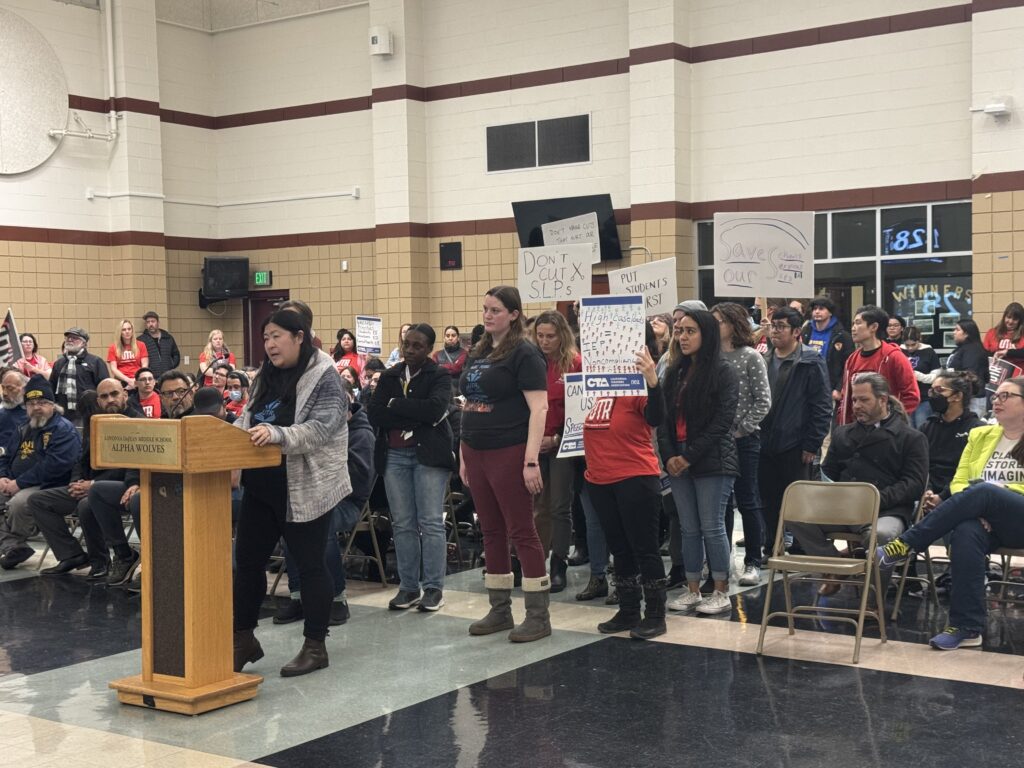
Educators, parents, students, and community members often play a vital role in advocating for their needs and influencing the outcomes of these discussions.
In the West Contra Costa district, as in many others, there was a significant outpouring of support for preserving staff positions, with individuals attending board meetings in large numbers to voice their concerns.
The involvement of community organizations focused on educational equity is particularly important.
These groups often serve as a bridge between the community and the school board, articulating the specific needs of students and advocating for policies that promote fairness and opportunity.
Their presence at board meetings and their engagement in public discourse can help ensure that the voices of those most affected by budget decisions are heard.
The fight for educational equity is not just about resource allocation; it is about ensuring that all students, regardless of their background, have access to the quality education and support they deserve.
This often involves advocating for the retention of staff who are instrumental in closing achievement gaps and providing targeted interventions.
The sentiment expressed by some community advocates and educators highlights a desire for greater collaboration and transparency in the decision-making process.
When stakeholders feel excluded from discussions about critical issues that affect students, it can lead to frustration and a sense of disempowerment.
The call for collaboration underscores the belief that the best outcomes are achieved when all parties work together, sharing information and seeking common ground.
This collaborative approach is essential for building trust and ensuring that decisions are made with the best interests of the entire school community in mind.
Conclusion: Charting a Course for Sustainable Educational Futures
The challenges faced by the West Contra Costa district in balancing its budget are emblematic of a broader issue confronting educational systems globally.
The decisions made by school boards have far-reaching consequences, impacting not only the financial health of the district but, more importantly, the educational experiences and future prospects of its students.
While the imperative for fiscal responsibility is undeniable, it must be pursued in a manner that safeguards the core mission of education: to nurture, educate, and empower every student.
The path forward requires a multi-faceted approach.
This includes exploring innovative funding models, advocating for increased state and federal support for education, and fostering robust partnerships between districts, communities, and educational stakeholders.
Ultimately, the goal is to create a system where difficult compromises are minimized, and where districts can adequately fund both their essential staff positions and the vital student services that contribute to academic success and overall well-being.
The commitment to providing an excellent education for all students demands a continuous effort to find sustainable solutions that prioritize both fiscal prudence and educational equity.





 Explore AI Teaching Tools
Comments (0)
Please login to comment
No comments yet
Be the first to comment on this article