
College Dreams on Hold: Fear of Deportation Silences FAFSA Applications for U.S. Citizen Students
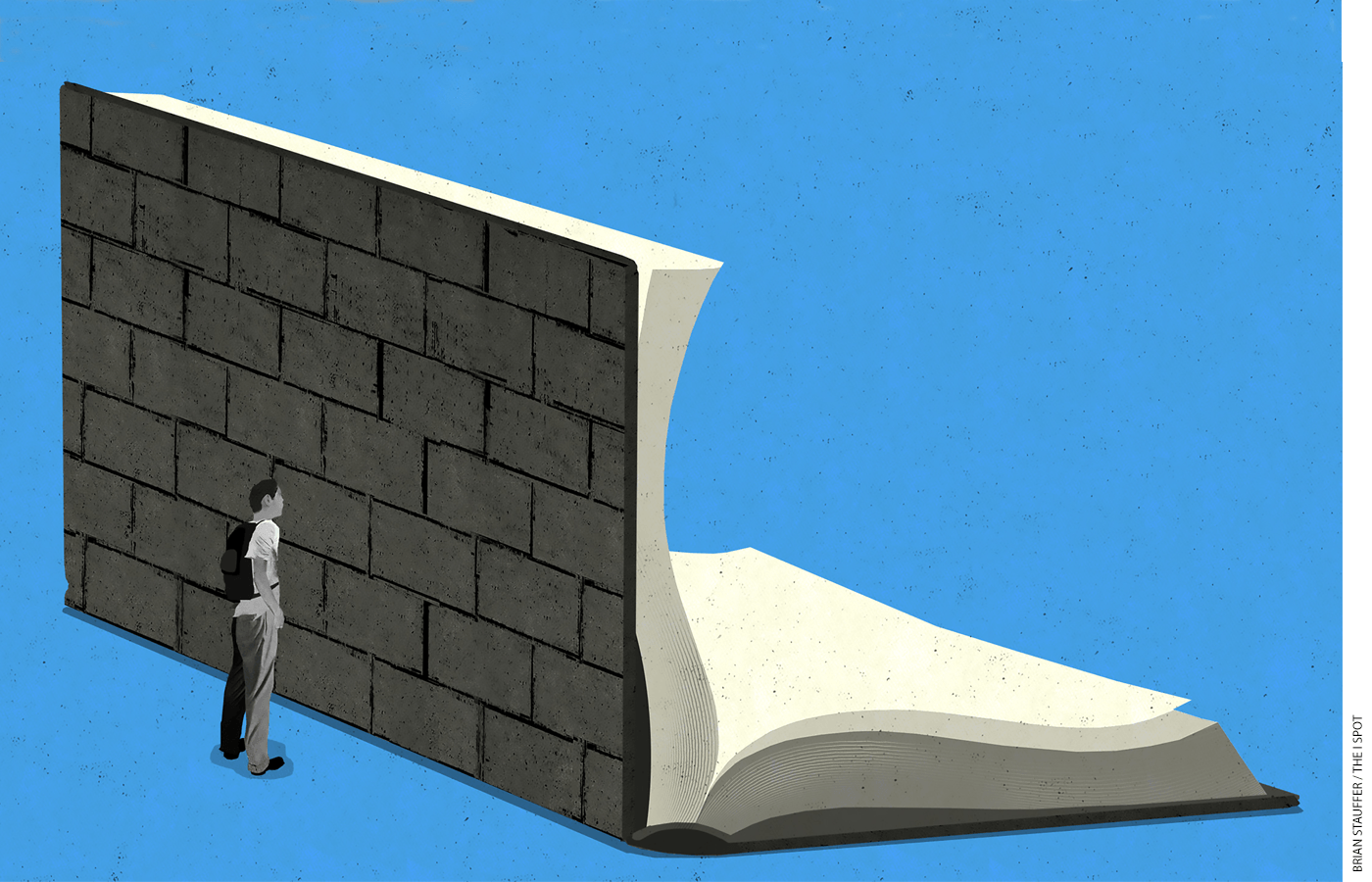
For many U.S. high school seniors, the FAFSA form is a gateway to higher education, a crucial step in unlocking federal financial aid. But for a growing number of students with undocumented parents, filling out this essential document presents a terrifying dilemma: pursue a college education or potentially endanger their family.
This agonizing choice is forcing students across the nation to reconsider their futures, with some opting out of federal aid altogether due to fears that their parents' information could be used by immigration authorities. This trend is particularly alarming as it directly impacts students who rely on financial assistance to make college a reality.
The Unseen Barrier: Immigration Status and Financial Aid
The Free Application for Federal Student Aid, or FAFSA, is a standard requirement for students seeking grants, loans, and work-study programs. For low-income families, it's often the only viable path to affording a college degree. However, the form requires parents to disclose their immigration status, a detail that has become a significant point of anxiety for mixed-status families.
Ryan, a U.S. citizen from Los Angeles, found himself paralyzed by this requirement. As he navigated the FAFSA, the stark reality of his parents' undocumented status hit him. He realized that by submitting the form, he could be inadvertently exposing his family to deportation, a risk he deemed too great.
“I don’t want to sacrifice my family for my possible success,” Ryan shared, his voice heavy with the weight of his decision. He felt a profound sense of guilt, believing it would be selfish to jeopardize his entire family for his own potential college aspirations.
A Chilling Effect on College Access
The U.S. Department of Education states that student information is not supposed to be shared with immigration enforcement agencies. However, recent shifts in federal data-sharing practices have eroded this trust for many families. This has led to a noticeable decline in FAFSA applications among eligible students from mixed-status households.
Data analysis reveals a concerning pattern. In California, for instance, there was a nearly 8 percent drop in FAFSA submissions from students in mixed-status families between the 2025 and 2026 academic years, even as overall applications in the state increased. This suggests a targeted impact on a vulnerable student population.
“Across the country, our members are hearing directly from students who are increasingly hesitant to complete the FAFSA because they’re worried about how their families’ information could be used,” said Sean Robins, director of advocacy at the National Association of College Admissions Counseling. He emphasized that fear, rather than academic or financial concerns, is now a primary obstacle to college access.
Echoes of Fear in Communities Nationwide
While California has seen a documented decline, anecdotal evidence from other regions points to a similar, widespread phenomenon. Schools in immigrant-heavy communities, from the Texas border to the outskirts of Chicago and Minneapolis, are reporting fewer FAFSA completions.
In ten schools near the Texas border with predominantly Hispanic student bodies, nearly 500 fewer students submitted FAFSAs this year, despite an overall increase in applications statewide. This highlights a critical issue that transcends state lines and affects families from diverse backgrounds.
The FAFSA is not just for federal aid; many states and individual colleges also use it to determine eligibility for their own need-based programs. This means that by avoiding the form, students may be forfeiting not only federal grants and loans but also state and institutional aid, further limiting their college options.
When State Aid Becomes a Double-Edged Sword
In states like Michigan, where FAFSA completion is directly tied to state aid and tuition-free community college programs, students from mixed-status families face an even more acute dilemma. While intended to ensure students access all available funding, these policies now inadvertently place them in a precarious position.
College counselors in these areas report parents being too afraid to attend information sessions about college applications. Many are refusing to provide the necessary information for financial aid forms, calculating that the risk of deportation outweighs the potential benefit of a college degree for their children.
“I can’t look them in the eye anymore and say federal law prohibits them using your data in other ways,” lamented Ryan Fewins Bliss, executive director of the Michigan College Access Network. He expressed deep concern that the FAFSA could become a pathway to family detention.
The Personal Toll: Stories of Sacrifice and Resilience
The impact of these fears is deeply personal. Counselors recount stories of students whose parents have been deported or are too frightened to leave their homes, forcing the students to leave school to work and support their families. This disruption makes the already challenging college application process even more difficult.
One counselor shared the story of a student who decided to join the military. His mother, who was in the process of applying for a green card, received a deportation order. A lawyer advised that military service could potentially delay her deportation, leading the student to alter his life plans.
Another counselor spoke of U.S. citizen seniors who disappeared earlier this year. Some of their parents, fearing deportation, had "self-deported," leaving the country to avoid potential detention. In such heartbreaking circumstances, discussions about college and FAFSA applications become impossible.
Ryan's Journey: A Mother's Courage, A Future Secured
Ryan’s story is a testament to the profound sacrifices families make. His father works tirelessly six days a week, and his mother cleans houses, their efforts a foundation for their family's hopes. The thought of jeopardizing their hard work weighed heavily on him.
He confided in Karla Ramos, a counselor at the College Access Plan, who understood his predicament intimately. Ramos, a U.S. citizen from a mixed-status family herself, had navigated similar anxieties when applying to college.
“Something as delicate as keeping your family together, especially when raids are happening in their community — I work with students who have to decide, and I have to tell them there’s no guarantee,” Ramos explained. She has seen students choose community college over four-year universities, limiting their educational horizons due to affordability concerns exacerbated by these fears.
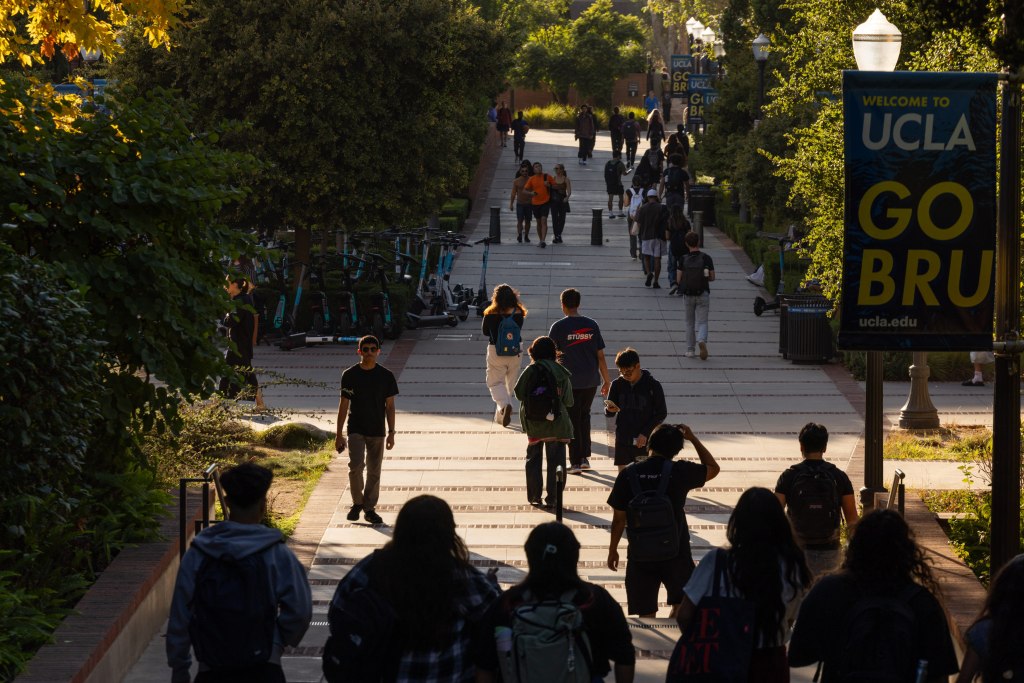
Ryan wrestled with his decision for over two months. The cost of attending UCLA, his dream school, was insurmountable without federal aid. The escalating immigration arrests in Los Angeles, including neighbors without criminal records, amplified his anxieties.
One afternoon, his mother, aware of his internal struggle and the pervasive fear in their community, offered him a profound gift. As they drove home, she listened to his pain and then, with unwavering resolve, told him to apply. “This is what I want for your future. I want you to succeed, even if it costs me something. I want you to do the best you can,” she told him. “The risk is worth the future you could have.”
Bolstered by his mother's courage, Ryan submitted the FAFSA. When his college acceptance letters arrived, he opened the one from UCLA with his parents. The "Congratulations" brought tears and celebration, a victory hard-won against a backdrop of fear.
While scholarships, savings from lifeguarding, and state aid will help cover the significant annual cost of UCLA, it was Ryan's decision to complete the FAFSA that unlocked the financial support necessary for him to attend. His journey underscores the critical role of federal aid and the devastating impact that fear of deportation can have on the educational aspirations of U.S. citizen students.
Even as he prepares for college, the shadow of immigration enforcement lingers. The father of a family friend was recently detained by immigration authorities. Ryan sometimes grapples with the feeling that staying home might offer his parents more protection. Yet, their unwavering support for his dream of becoming a doctor or conservationist fuels his forward momentum.




 Explore AI Teaching Tools
Comments (0)
Please login to comment
No comments yet
Be the first to comment on this article