
Navigating California's Higher Education Funding Landscape: What Students and Campuses Need to Know
As California charts its fiscal future, the proposed budget for the upcoming academic year presents a complex picture for its esteemed public university systems.Understanding these budgetary shifts is crucial for students, educators, and policymakers alike, as they directly influence access, affordability, and the overall quality of higher education.
This article delves into the proposed funding allocations, potential impacts, and the strategic considerations for California's University of California (UC) and California State University (CSU) systems, offering insights relevant to learners everywhere.
The Governor's Proposed Budget: A Shift in Funding Priorities
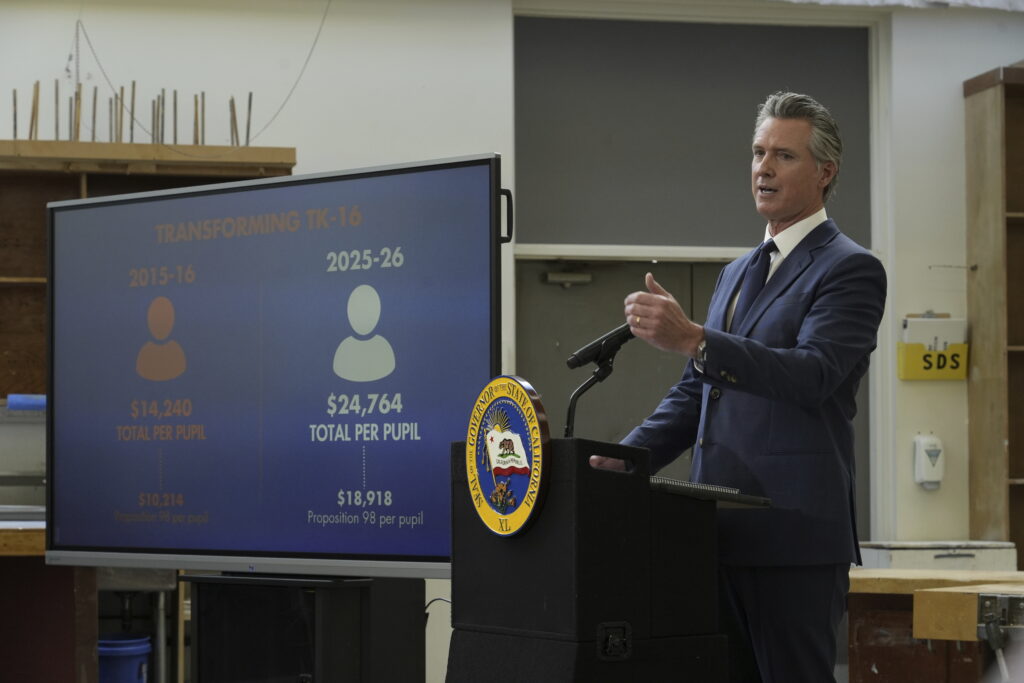
Governor Gavin Newsom's latest budget proposal outlines significant adjustments to the financial support allocated to California's public higher education institutions.While the state's overall financial outlook may be more optimistic than initially feared, the proposed allocations signal a period of fiscal recalibration for the UC and CSU systems.
This budget is not a final decree but rather the starting point for extensive negotiations between the governor and the state legislature, with final decisions typically solidified by summer.
The proposed budget indicates a notable reduction in state funding for both the University of California and the California State University systems for the 2025-26 fiscal year.
This reduction, which has been anticipated, is a critical point of discussion for stakeholders.
Understanding the Proposed Reductions
The core of the governor's proposal involves a reduction in state funding for the UC and CSU.Specifically, the University of California system, comprising ten campuses, is slated to experience a decrease in funding.
Similarly, the California State University system, with its expansive network of 23 campuses, is also facing a reduction.
These figures represent a substantial portion of the state's investment in these vital educational institutions.
Deferred Investments and Multiyear Compacts
Beyond immediate cuts, the governor's plan also includes deferring previously promised budget increases.These increases were part of multiyear compact agreements established to provide predictable financial growth for the university systems.
By deferring these planned investments, the state signals a temporary pause in the expected financial trajectory, impacting long-term planning and resource allocation for campuses.
This deferral is a key element that has generated considerable discussion among university leaders.
Impact on Students and Academic Offerings
The proposed budgetary adjustments have direct and tangible consequences for the student experience.University officials have voiced concerns that these funding shifts could lead to a less accessible and potentially less robust educational environment.
The ramifications extend from the classroom to the broader academic and career pathways available to students.
The Ripple Effect: Larger Classes and Fewer Courses
A primary concern highlighted by university leadership is the potential for increased class sizes.With reduced funding, institutions may struggle to maintain current faculty-to-student ratios, leading to larger lecture halls and a diminished capacity for personalized instruction.
Furthermore, the availability of courses could be curtailed.
This might mean fewer specialized electives, longer wait times for required courses, and a more challenging path for students to complete their degrees within the expected timeframe.
The impact on students, particularly undergraduates who form the vast majority of the CSU student body, is a significant consideration.
Hindered Graduation and Workforce Preparedness
The cumulative effect of larger classes and reduced course offerings can directly impede students' ability to graduate on time.Delays in course availability can push graduation dates back, incurring additional costs for students and extending their time in higher education.
Beyond timely graduation, these budgetary constraints can also affect the development of a highly educated and diverse workforce.
When educational opportunities are narrowed, the state's ability to meet its growing demands for skilled professionals in various sectors may be compromised.
This is a critical point for the future economic health of California.
Community Colleges: A Different Trajectory
In contrast to the proposed funding adjustments for the UC and CSU, California's community college system appears to be on a more stable, and in some areas, an upward financial trajectory under the governor's budget.This distinction highlights a potential prioritization of different segments of the higher education landscape.
Increased Funding and Proposition 98
The state's 116 community colleges are projected to receive new general funding, a positive development that includes a modest cost-of-living adjustment.This support is largely guided by Proposition 98, a voter-approved measure that dictates the minimum funding allocated to K-12 schools and community colleges from the state's general fund.
This mechanism ensures a baseline level of support, which in this proposal, translates to an increase for community colleges.
Focus on Career Education and Workforce Development
A notable aspect of the proposed budget for community colleges is its emphasis on career education and workforce development initiatives.This aligns with the core mission of community colleges to provide accessible pathways for adults to advance their careers and acquire in-demand skills.
The budget includes specific allocations aimed at enhancing these programs, recognizing their vital role in the state's economy.
Strategic Investments in Community Colleges
The governor's budget includes several targeted investments for the community college system.These include significant one-time funding for a statewide technology transformation project, designed to streamline data collection and facilitate credit transfers between institutions.
Additionally, substantial funding is proposed to expand "credit for prior learning" programs, which allow students to earn academic credit for skills and knowledge acquired outside traditional classroom settings, such as through work experience or volunteer activities.
Ongoing funding is also earmarked to bolster programs supporting current and formerly incarcerated students, demonstrating a commitment to broader access and rehabilitation.
Financial Aid and Student Support Programs
The proposed budget also addresses financial aid and student support services, recognizing their indispensable role in ensuring educational equity and access.While some areas face reductions, the commitment to supporting students through various aid programs remains a key component.
California Student Aid Commission: A Significant Allocation
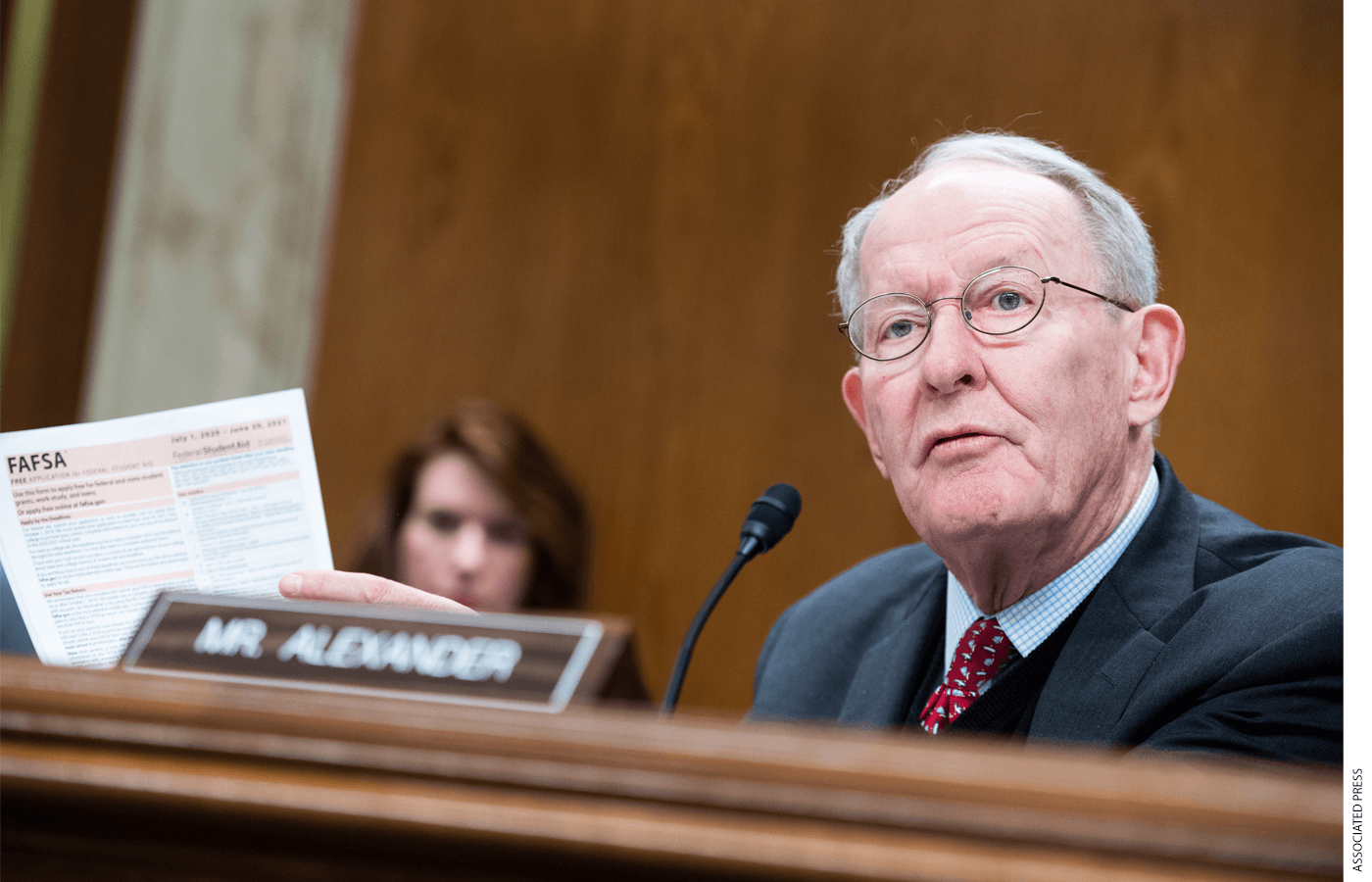
The California Student Aid Commission, responsible for administering crucial financial aid programs like the Cal Grant, is allocated a substantial sum.While this allocation represents a reduction from previous projections, the overall amount remains significant, underscoring the state's commitment to helping students finance their education.
The majority of these funds are dedicated to the Cal Grant program, which assists a large number of students annually.
Support for Diverse Student Needs
Beyond the Cal Grant, the budget also allocates funds for other important programs, such as the Middle Class scholarship and the Golden State Teacher Grant Program.The latter specifically supports students pursuing teaching careers, particularly in high-need areas, addressing critical teacher shortages within the state.
This multifaceted approach to financial aid aims to support a broad spectrum of students and encourage participation in essential professions.
Navigating the Budgetary Process: What Lies Ahead
It is essential to remember that the governor's budget proposal is the initial step in a dynamic and often lengthy legislative process.The coming months will involve intense negotiation and deliberation between the governor's office and the state legislature.
Legislative Negotiations and Revenue Projections
As the budget process unfolds, updated revenue projections will become available, potentially influencing the final allocations.Lawmakers will engage in discussions and debates, seeking to balance competing priorities and address the concerns raised by various stakeholders, including the university systems, student advocacy groups, and the public.
The final budget, typically enacted in the summer, will reflect the outcomes of these negotiations.
The Role of State Funding vs.
Other Revenue Streams It is important to note that state funding is only one piece of the financial puzzle for the UC and CSU systems.
Both institutions also rely heavily on revenue generated from student tuition and fees, as well as federal funding and private donations.
Understanding this diverse revenue mix provides a more comprehensive view of their financial health and their capacity to absorb or adapt to changes in state appropriations.
Strategic Considerations for Educational Institutions
In light of the proposed budget, educational institutions, particularly the UC and CSU systems, will need to engage in strategic planning to mitigate potential negative impacts and continue to serve their students effectively.Prioritizing Core Mission and Student Success
Even in leaner fiscal times, the commitment to student success must remain paramount.This involves a critical evaluation of how resources are allocated to ensure that core academic functions and student support services are protected.
Strategies may include optimizing operational efficiencies, exploring innovative pedagogical approaches, and strengthening partnerships to leverage external resources.
Advocacy and Collaboration for Sustainable Funding
University leaders, faculty, and students play a crucial role in advocating for sustained and adequate funding for higher education.Open communication with legislators, transparent reporting on the impact of funding decisions, and collaborative efforts with other educational stakeholders can help shape policy and secure the resources necessary for long-term institutional health and student opportunity.
The goal is to ensure that California's public universities can continue to fulfill their mission of providing accessible, high-quality education and driving the state's economic and social progress.
Conclusion: A Call for Informed Engagement
The proposed budget for California's higher education systems presents a complex and evolving scenario.For students, understanding these budgetary dynamics is key to navigating their academic journeys and advocating for their needs.
For institutions, it necessitates strategic adaptation and a continued focus on delivering exceptional educational experiences.
As the legislative process unfolds, informed engagement from all parties will be vital in shaping a future where California's public universities remain pillars of opportunity, innovation, and societal advancement.
Mentofy remains committed to providing valuable educational content that empowers learners to understand and engage with critical issues impacting their educational futures.





 Explore AI Teaching Tools
Comments (0)
Please login to comment
No comments yet
Be the first to comment on this article