
Navigating Educational Discrimination: Understanding Rights and Recourse in the Office for Civil Rights Landscape
Experiencing or witnessing discrimination in an educational setting can be a deeply distressing and isolating ordeal.For students and their families, the path to resolution can feel overwhelming, especially when the very systems designed to protect them face uncertainty.
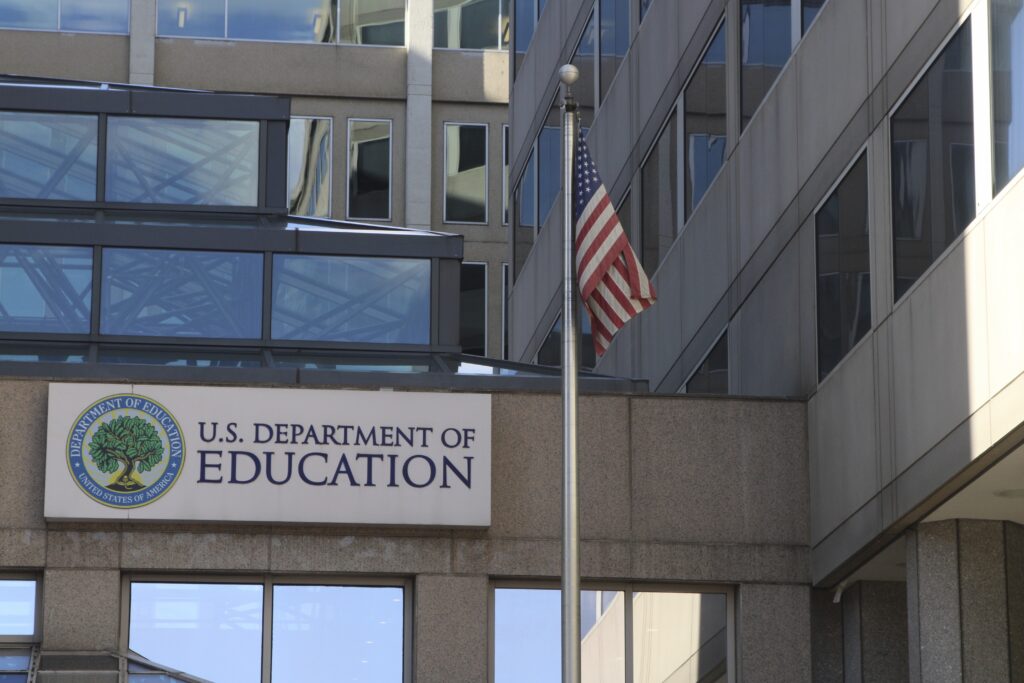
This article explores the critical role of the U.S.
Department of Education's Office for Civil Rights (OCR) in safeguarding educational equity and examines the challenges that arise when its operational capacity is compromised, impacting the pursuit of civil rights in education.
The Crucial Role of the Office for Civil Rights in Education
The U.S.Department of Education's Office for Civil Rights (OCR) serves as a vital federal agency dedicated to ensuring that educational institutions receiving federal funding uphold the civil rights of all students.
This includes protecting individuals from discrimination based on race, color, national origin, sex, disability, and age.
When students or their families believe their right to an education free from discrimination has been violated, filing a complaint with the OCR is a primary avenue for seeking justice and accountability.
The OCR investigates allegations of discrimination, working to resolve complaints through voluntary agreements with educational institutions.
These agreements often involve specific actions the school or district must take to rectify the situation, such as implementing new policies, providing training for staff, or offering remedies to affected students.
The department's work is essential for fostering an inclusive and equitable learning environment for all, ensuring that every student has the opportunity to succeed without facing prejudice or harassment.
Types of Discrimination Addressed by the OCR
The scope of the OCR's mandate is broad, encompassing a range of discriminatory practices that can occur within educational settings.Understanding these categories is crucial for identifying potential violations and knowing when to seek assistance.
- Racial and Ethnic Discrimination: This includes instances of racial harassment, disparate treatment based on race, and discriminatory disciplinary actions.
- Disability Discrimination: The OCR addresses issues related to the denial of appropriate educational services, failure to provide reasonable accommodations, and discrimination against students with disabilities.
- Sex-Based Discrimination: This covers issues such as sexual harassment, unequal access to programs or activities based on sex, and discrimination related to pregnancy or parental status.
- National Origin Discrimination: This pertains to discrimination against students based on their country of origin, including language barriers and national origin-based harassment.
- Age Discrimination: While less common in K-12 settings, the OCR can investigate age-based discrimination, particularly in postsecondary education.
Challenges and Implications of OCR Workforce Reductions
Recent developments have highlighted the significant impact that reductions in the OCR's workforce can have on its ability to fulfill its mission.When the department experiences significant staffing cuts or the closure of regional offices, it can create substantial delays and uncertainty for individuals with pending complaints.
The OCR's capacity to investigate and resolve complaints is directly tied to its personnel.
A reduced workforce means fewer investigators, fewer case managers, and a diminished ability to process the volume of complaints received.
This can lead to a backlog of cases, extending the time it takes for investigations to begin and for resolutions to be reached.
For students and families who have already endured discrimination, this extended waiting period can exacerbate their distress and prolong the harm they have experienced.
The Impact on Case Resolution Timelines
When the OCR's operational capacity is diminished, the timeline for resolving discrimination complaints can stretch considerably.What might have once been a matter of months can extend to a year or more, leaving individuals in a state of prolonged uncertainty.
- Extended Investigation Periods: With fewer staff, the time it takes to assign investigators to new cases and conduct thorough inquiries naturally increases.
- Delayed Voluntary Agreements: The process of negotiating and finalizing voluntary agreements with educational institutions can also be slowed down, as OCR staff are stretched thin.
- Case Transfers and Reassignment: The closure of regional offices often necessitates the transfer of cases to other locations.
This can lead to further delays as new staff familiarize themselves with the case details and the existing administrative processes.
Studies indicate that the number of complaints filed with the OCR has seen a notable increase in recent years.
This rise in caseload, coupled with a reduction in staff, creates a critical bottleneck.
The department's ability to effectively address these complaints is paramount to upholding the principles of civil rights in education and ensuring that educational institutions remain accountable for fostering safe and equitable learning environments.
Seeking Justice: Strategies for Navigating the System
While the challenges facing the OCR can be daunting, understanding the system and available strategies can empower students and families seeking to address discrimination.Even when federal avenues face hurdles, proactive steps can be taken.
Understanding Your Rights and Documentation
The first and most crucial step in addressing discrimination is to thoroughly understand your rights and to meticulously document every incident.This evidence forms the foundation of any complaint and is essential for demonstrating the nature and extent of the discrimination experienced.
- Know Your Rights: Familiarize yourself with federal laws that protect against discrimination in education.
Resources from educational advocacy groups can provide valuable insights into these protections.
- Detailed Record-Keeping: Maintain a comprehensive log of all discriminatory incidents.
This should include dates, times, locations, individuals involved, specific actions or words used, and any witnesses present.
- Preserve Evidence: Save any relevant communications, such as emails, text messages, social media posts, or photographs, that can serve as evidence of the discrimination.
- Document School Responses: Keep records of any interactions with school staff, administrators, or district officials regarding the incidents.
Note what was said, who you spoke with, and the outcome of those conversations.
Filing a Complaint with the OCR
When direct communication with the school district has not yielded a satisfactory resolution, filing a formal complaint with the Office for Civil Rights is a significant step.The department's website provides detailed information on how to initiate this process.
The complaint should clearly outline the nature of the discrimination, the specific incidents that occurred, and the educational institution involved.
Providing as much detail and supporting documentation as possible will aid the OCR in its initial assessment of the complaint.
While the process can be lengthy, especially during periods of operational strain, it remains a critical pathway for seeking federal intervention.
Exploring Alternative Avenues for Support
In situations where the OCR's capacity is limited, exploring alternative avenues for support and advocacy can be essential.These options can provide additional layers of recourse and assistance.
- State and Local Agencies: Many states and local jurisdictions have their own civil rights agencies or departments that handle discrimination complaints within their respective areas.
- Legal Counsel: Consulting with an attorney specializing in education law or civil rights can provide expert guidance and representation.
Attorneys can help navigate complex legal processes and advocate for your rights.
- Advocacy Organizations: Numerous non-profit organizations are dedicated to supporting students and families facing discrimination.
These groups often offer resources, legal assistance, and emotional support.
- Community Support: Connecting with parent groups or community organizations can provide a network of shared experiences and collective advocacy.
The Broader Implications for Educational Equity
The challenges faced by the Office for Civil Rights have far-reaching implications for the broader landscape of educational equity.When the mechanisms for addressing discrimination are weakened, it can send a disheartening message to students and communities.
Schools are not just places of academic learning; they are also environments where young people learn about societal norms, justice, and their place within a democratic society.
If students experience harm and witness a breakdown in the systems designed to protect them, it can foster a sense of powerlessness and the perception that discrimination is permissible.
This undermines the fundamental goal of creating inclusive and just educational institutions for all.
Ensuring Accountability in Educational Institutions
The OCR's role is crucial in holding educational institutions accountable for their legal and ethical obligations.When its investigative and enforcement capabilities are robust, it serves as a powerful deterrent against discriminatory practices.
The department's work ensures that schools are not only providing academic instruction but are also actively working to create environments where every student feels safe, respected, and valued.
The pursuit of civil rights in education is an ongoing endeavor, and the strength of institutions like the OCR is vital to its success.
Research consistently shows that environments free from discrimination lead to better academic outcomes and overall student well-being.
Conclusion
The journey to address educational discrimination can be arduous, particularly when the very federal office tasked with upholding civil rights faces operational challenges.The U.S.
Department of Education's Office for Civil Rights plays an indispensable role in ensuring equitable access to education, free from prejudice and harassment.
While staffing reductions and office closures can create significant delays and uncertainty for those with pending complaints, understanding one's rights, meticulously documenting incidents, and exploring all available avenues for support are critical steps.
The commitment to educational equity requires vigilance, advocacy, and a robust understanding of the systems in place to protect vulnerable students.
By staying informed and persistent, individuals can continue to advocate for a just and inclusive educational experience for all.






 Explore AI Teaching Tools
Comments (0)
Please login to comment
No comments yet
Be the first to comment on this article