
Cosmetology Schools: A Glittering Promise Tarnished by Debt and Diminished Futures
For decades, the narrative has been clear: higher education unlocks opportunity. Yet, a growing chorus of students is questioning this long-held belief, often finding themselves burdened by substantial debt with little to show for it in terms of career advancement. This reality is particularly stark in certain vocational sectors, where the promise of a lucrative career can mask a less optimistic financial outlook.
A New Era of Accountability, With a Notable Blind Spot
Last year, lawmakers took a significant step toward reforming higher education by enacting legislation aimed at increasing accountability for student outcomes. This landmark bill introduced more accessible student loan repayment options and, crucially, established performance benchmarks for earnings. The intention was to ensure that post-secondary education truly leads to a better financial standing than simply possessing a high school diploma.
These measures represent a vital effort to safeguard both students and the public purse. However, a significant loophole remains, particularly concerning certificate programs that frequently fail to deliver on their financial promises. These programs, often overlooked, are experiencing the most rapid growth within the higher education landscape.
Currently, over 1,280 such programs enroll more than 220,000 students annually, with a striking 80 percent of these students attending for-profit institutions. Despite persistent concerns about predatory practices within many of these programs, Congress has largely exempted them from robust oversight, leaving students vulnerable.
The Enduring Allure and Persistent Pitfalls of Cosmetology Education
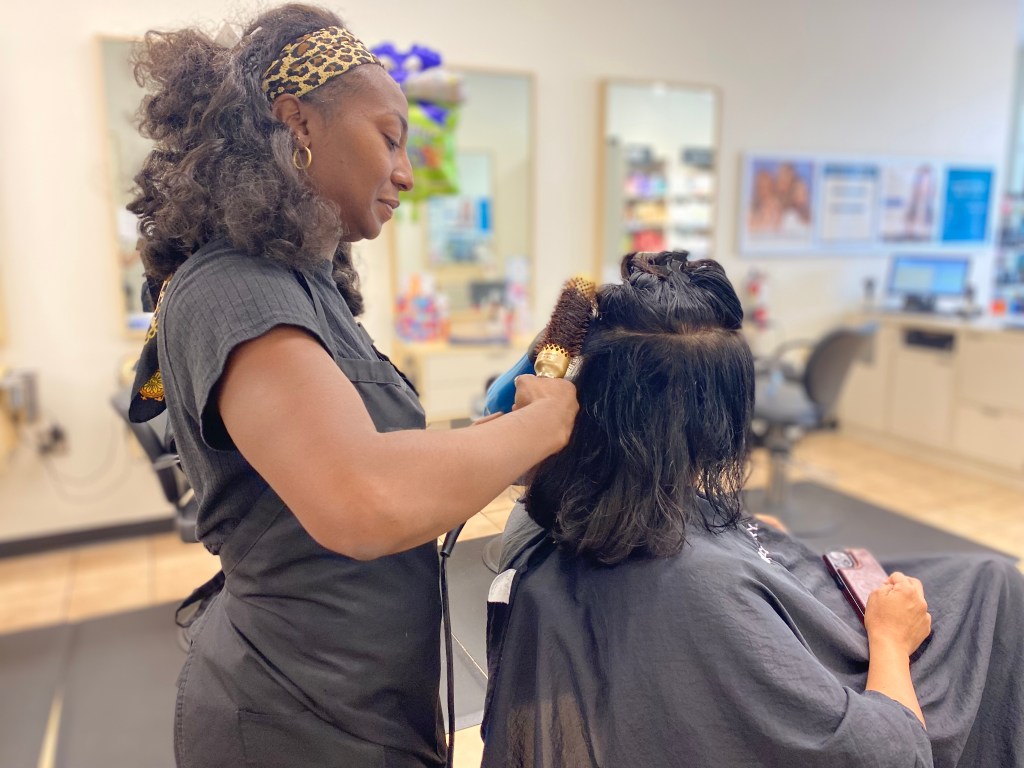
Cosmetology schools, which constitute a substantial 45 percent of all certificate programs, exemplify this challenge. Their origins trace back to the 1920s, fueled by the burgeoning glamour of Hollywood and its evolving beauty trends. Following World War II, federal initiatives like the GI Bill and the Higher Education Act expanded financial aid, intending to bolster the middle class.
However, these very programs inadvertently created fertile ground for unscrupulous for-profit schools to exploit the system. These institutions began inflating tuition fees to maximize financial aid disbursements, often at the expense of student value.
By the 1970s, financial regulators were raising alarms about widespread waste and abuse within the cosmetology sector. Testimony before Congress highlighted that trade schools, including beauty and barber academies, were responsible for the most significant increases in loan defaults. A key question emerged: who truly benefited from these programs – the students or the school operators?
Fifty years later, this question remains pertinent. Today, cosmetology schools actively market themselves to women and working parents, promising pathways to higher earnings and flexible careers. Yet, research consistently indicates that the majority of cosmetology students will likely earn less than individuals with only a high school education.
The Stark Financial Disconnect
Tuition for some cosmetology programs can exceed $20,000 annually. Despite this significant investment, graduates often secure positions that yield just over $17,000 per year, all while carrying a median student loan debt of $11,000. This creates a deeply unfavorable return on investment for many aspiring professionals.
Furthermore, a common practice involves students providing services, such as haircuts and manicures, for paying clients without compensation. This effectively turns students into unpaid labor, with the school retaining the revenue generated from their work, raising serious ethical questions about the nature of these training programs.
The Lobbying Machine Behind the Exemption
Given the clear need for reform, the question arises: why have cosmetology schools largely escaped stringent accountability measures? The answer, as is often the case, points to significant lobbying efforts in Washington, D.C. As these schools gained prominence, their powerful advocacy groups intensified their efforts to resist accountability standards applied to other certificate programs.
In 2023, when the Department of Education proposed rules requiring career-oriented programs to meet minimum earnings and debt-to-earnings ratios, a prominent cosmetology association actively challenged the mandate. Their argument centered on the claim that unreported tips significantly boost graduate earnings, rendering the minimum earnings requirement unfairly burdensome.
However, data suggests that approximately 90 percent of salons do report tips on W-2 forms, undermining the validity of this claim and indicating that the proposed standards were, in fact, reasonable. This resistance highlights a pattern of prioritizing institutional interests over student financial well-being.
Preying on Vulnerable Populations
Compounding these issues, these programs often target low-income women and women of color. This practice can exacerbate cycles of poverty, directly contradicting the purported aim of providing upward mobility and improved economic prospects for the very students they serve.
The recent legislative efforts to enhance accountability in higher education presented an opportunity to address the systemic issues within this sector. Instead, the legislation inadvertently granted certificate programs, including cosmetology schools, a notable exemption from the strictest oversight, perpetuating a cycle of financial strain for students.
The Path Forward: Enforcement and Equity
Fortunately, regulatory bodies possess the authority to hold all programs accountable for graduate earnings. A proposed rule, anticipated for finalization soon, aims to implement these standards, though lobbying efforts continue to influence the outcome. Lawmakers must clarify legislative intent to ensure all programs, particularly certificate programs, are subject to these crucial earnings standards.
In the interim, the Department of Education must remain steadfast in enforcing regulations that can curb underperforming institutions. If a program consistently leaves its graduates in a worse financial position than when they started, it should face consequences, including potential loss of access to federal student loans, mirroring the treatment of associate and bachelor's degree programs.
This approach would allow schools that provide genuine value to thrive, while those that fail to deliver on their promises would be compelled to reform or cease operations. It is time for cosmetology schools, and similar certificate programs, to demonstrate that their ambitious promises translate into tangible, positive outcomes for the students who invest their time and resources in their education.






 Explore AI Teaching Tools
Comments (0)
Please login to comment
No comments yet
Be the first to comment on this article