
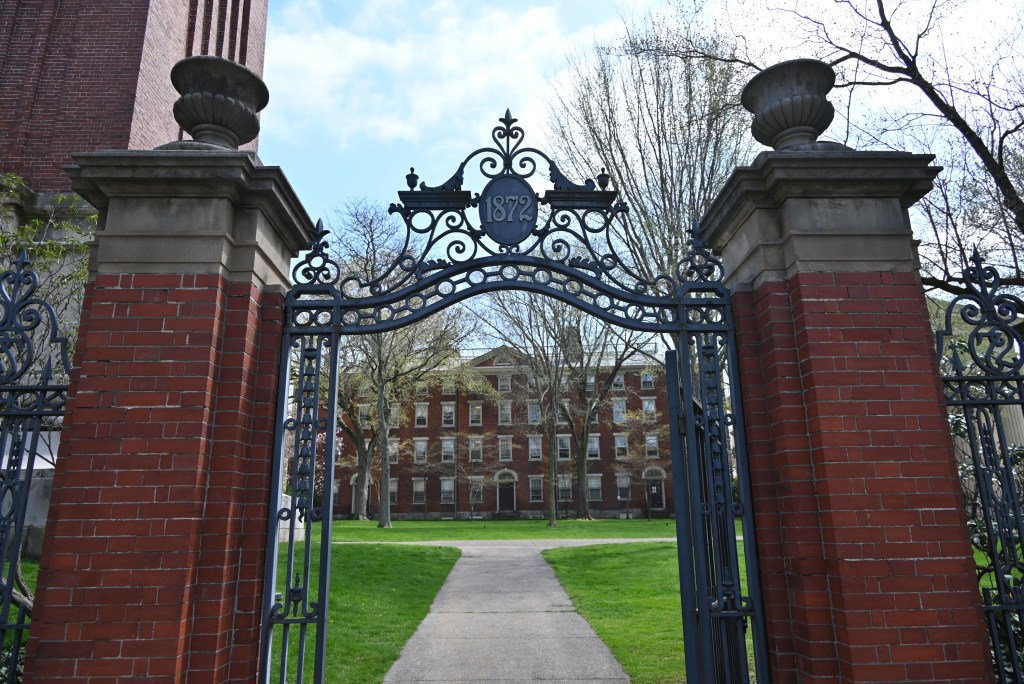
$50 Million Investment Fuels Rhode Island Workforce: How a University Settlement is Reshaping Job Training
In a surprising turn of events, a significant financial commitment from a prominent university is injecting $50 million into critical workforce development programs across Rhode Island. This substantial investment, stemming from a unique settlement with the Trump administration, is already making tangible impacts, offering pathways to skilled careers for individuals previously facing significant barriers, including those re-entering society from correctional facilities.
From Prison Walls to Construction Sites: A Second Chance
For Joe, a man in his 40s who spent years navigating the challenges of incarceration and sporadic construction work, the opportunity to learn a trade felt like a lifeline. His passion for working with his hands, a skill he shared with his daughter, found a new outlet in a construction pre-apprenticeship program offered within the prison system.
The program, however, presented an unexpected hurdle: a refresher course in foundational math, including fractions, concepts he hadn't revisited in decades. "It takes a while for it to kick back in," Joe admitted, relying on his teenage children for tutoring sessions.
Joe's program is run by Building Futures, a Rhode Island nonprofit dedicated to addressing both skilled labor shortages and high unemployment. This organization is one of the first to benefit from Brown University's $50 million pledge, a commitment designed to bolster local workforce initiatives over the next decade.
A University's Response to Federal Scrutiny
The $50 million investment by Brown University emerged from a settlement resolving federal reviews into the university's adherence to antidiscrimination laws. This agreement allowed the institution to regain access to hundreds of millions of dollars in federal funding that had been under review.
Unlike settlements with other universities that involved direct financial penalties to the government, Brown's agreement focused on grants to workforce development organizations. University officials emphasized that the settlement was not an admission of fault but a collaborative effort to align institutional priorities with federal goals for higher education's role in workforce readiness.
"The agreement to provide $50 million in grants to workforce organizations aligns with Brown’s service mission while also meeting a workforce goal for higher education institutions articulated by the federal government," stated Brian Clark, vice president for news and strategic campus communications.
The Trump Administration's Complex Stance on Higher Education and Training
The settlement occurred during a period when President Trump frequently criticized elite universities, often contrasting their perceived ivory-tower focus with the practical needs of the workforce. His rhetoric often positioned four-year degrees as an expensive, elitist path, while championing vocational training as a more accessible and relevant alternative.
This framing resonated with a segment of the public concerned about the return on investment for traditional college degrees. However, critics argued that the administration's support for vocational education was often superficial, with proposed budget cuts threatening existing workforce development programs.
Despite the rhetoric, the Trump administration's actions presented a mixed picture. While some existing funding was redirected to apprenticeship programs, proposed budgets included significant reductions in future workforce spending. Millions of dollars in federal grants for workforce development were also canceled, including funding that had previously supported Building Futures' prison pre-apprenticeship program.
Building Futures: A Proven Model for Success
Andrew Cortes, president and CEO of Building Futures, highlighted the critical role of the university's funding. "If Brown hadn’t come forward with its offer of $1.5 million for Building Futures, the pre-apprenticeship might have ended with Joe’s cohort," he explained.
Cortes founded Building Futures nearly two decades ago to address a dual challenge: a shortage of skilled construction labor and persistent unemployment in Providence's underserved communities. The organization's pre-apprenticeship model equips individuals with fundamental skills, preparing them for union apprenticeships and ultimately, sustainable careers.
Building Futures also forged partnerships with major employers, including Brown University, to ensure that a portion of their construction projects benefited new apprentices. This collaboration guarantees that 15 percent of work hours on projects exceeding $5 million are filled by graduates of Building Futures' programs.
Strategic Grantmaking: Prioritizing Proven Partners
Mary Jo Callan, Brown's vice president for community engagement, noted that Building Futures' established track record made it a natural choice for the initial round of grants. The university aimed to support organizations with a demonstrated ability to deliver impactful workforce training.
Building Futures will share $3 million with the Community College of Rhode Island (CCRI), an institution with a long-standing partnership with Brown on student transfer pathways. This initial allocation prioritized proven providers to ensure immediate and effective deployment of funds.
While future grants will be awarded through a competitive process, Building Futures and CCRI were the sole entities invited to submit proposals for this first phase. This strategic approach aimed to maximize the immediate impact of the $50 million investment.
Empowering Individuals and Strengthening Communities
The Community College of Rhode Island will utilize its portion of the grant to expand its early childhood education programs. This initiative addresses a critical shortage of qualified early educators, a field vital for supporting working families and the broader economy.
Building Futures will leverage its funding to sustain and expand its prison pre-apprenticeship program. Additionally, a "contractor incentive program" will offer subsidies to contractors who hire new apprentices, encouraging broader adoption of these training pathways. The organization will also support employers in establishing new apprenticeships in diverse fields like education and healthcare.
Addressing Systemic Challenges: Poverty and Recidivism
Providence faces significant socio-economic challenges, with a poverty rate double the state average and the highest incarceration rate in Rhode Island. This reality underscores the urgent need for effective reentry programs that equip individuals with the skills to become productive members of society.
Lieutenant Brian Carvalho of the Rhode Island Department of Corrections, who oversees the Building Futures pre-apprenticeship program at the state's minimum-security prison, emphasized the societal benefit of such initiatives. "These individuals are going to be moving into our neighborhoods," he stated, highlighting how job training reduces the likelihood of recidivism.
Carvalho noted that many participants enter the program with minimal foundational skills, often unable to read a ruler. However, the 120-hour construction pre-apprenticeship equips them with essential competencies, enabling a smooth transition to Building Futures' post-release program and subsequently, union apprenticeships.
Beyond the Classroom: Practical Skills for Real-World Success
Inside the prison workshop, the air buzzed with the sounds of hammering, drilling, and sawing as participants completed their final assessments. This hands-on evaluation, described by Chief Program Officer Ian Chase as their "SAT," measures readiness for apprenticeships rather than college academics.
Kevin, a program participant in his 30s who had previously attempted college, found a viable alternative in the pre-apprenticeship. "It's a good opportunity to learn something and not go back to selling drugs," he shared, underscoring the program's transformative potential.
A Shifting Educational Landscape and Political Discourse
President Trump's emphasis on vocational education was a recurring theme throughout his presidency. He frequently advocated for apprenticeships and alternatives to traditional four-year degrees, framing them as essential for economic competitiveness.
This message intensified during his presidential campaigns, where trade schools were presented as a corrective to a higher education system perceived as out of touch with labor market demands. An executive order aimed to redirect federal dollars toward training programs for in-demand skilled trades, reflecting a broader push to prioritize career preparation.
The administration's stance was articulated in a White House fact sheet that criticized a "college for all" agenda and pledged to "restore focus on sectors and programs that Made the American Economy Great in the first place." This rhetoric was further amplified by public statements suggesting the reallocation of grant money from elite institutions to trade schools.
Contradictions in Policy: Targeting Community Colleges
Despite the outward support for vocational training, critics pointed to a perceived contradiction in the administration's approach. While advocating for workforce development, there were also efforts to reduce federal funding for community and technical colleges, institutions that educate a significant portion of the working-class population.
Proposed budget cuts targeted programs like the Carl D. Perkins Career and Technical Education Act, which provides funding for states to allocate to high schools and colleges. The administration also sought to eliminate programs that support community colleges in training workers for high-demand industries and assisting adult learners.
Braden Goetz, a former Education Department staffer, suggested that the settlement with Brown University might have been a strategic maneuver. He posited that it could have served as a distraction from broader efforts to cut federal funding for community colleges and their workforce development initiatives.
Investing in the Future: Early Childhood Education's Critical Role
The impact of the Brown University settlement extends beyond the construction trades. At the Community College of Rhode Island, the grant is bolstering early childhood education programs, a sector facing critical staffing shortages and high turnover rates.
Poonam Katoch, an early childhood educator pursuing a certificate at CCRI, highlighted the program's value. "Having a stable early education workforce is critical to Rhode Island’s economy," stated Madeline Burke, CCRI's associate vice president for career, technical and continuing education. "If folks don’t have child care, they can’t go to work."
CCRI's early education programs currently serve approximately 250 students. The grant from Brown will enable the college to train an additional 180 teachers over the next three years, addressing a pressing need for qualified childcare providers.
Ongoing Investment and Evolving Priorities
While Congress has thus far resisted proposed cuts to workforce development programs at two-year colleges, the debate over funding priorities continues. Future budget proposals have indicated ongoing efforts to reduce spending in these areas.
Meanwhile, Brown University is moving forward with its commitment, reviewing applications for the next installment of grants from its $50 million settlement. This sustained investment underscores the university's dedication to fostering a more skilled and adaptable workforce in Rhode Island and beyond.





 Explore AI Teaching Tools
Comments (0)
Please login to comment
No comments yet
Be the first to comment on this article