
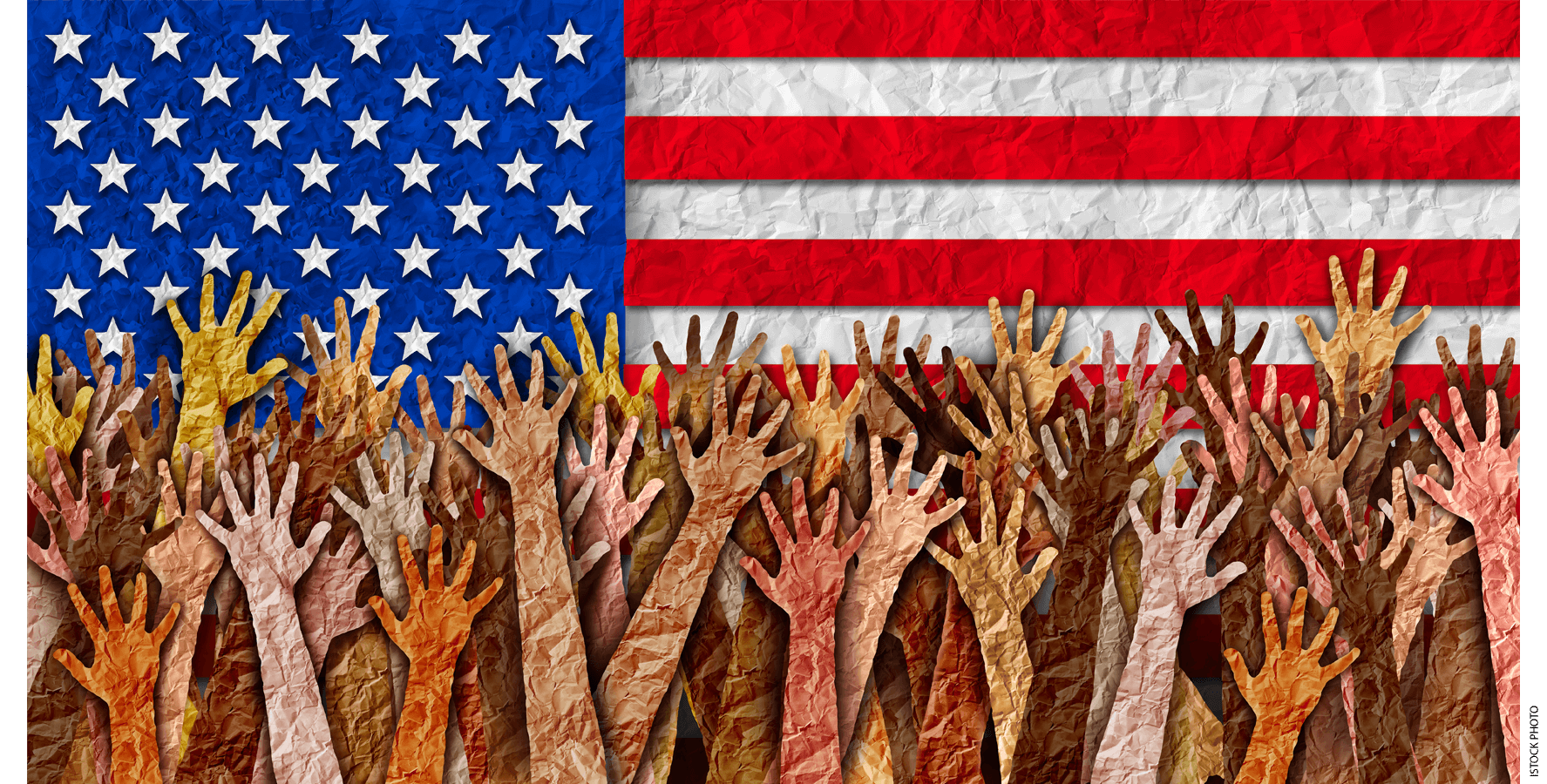
Nation's Civics Assessment on the Cusp of a Major Overhaul: Will States Embrace New Data to Bolster Student Citizenship?
As the United States approaches its 250th anniversary, a critical re-evaluation of how we teach and measure civic understanding is underway. The very framework guiding the nation's assessment of civics knowledge is being updated, a move long overdue and particularly pertinent as the nation reflects on its founding principles and future.
This isn't just about a test; it's about ensuring the next generation is equipped to navigate and strengthen the complex landscape of American democracy. The National Assessment Governing Board is actively soliciting public input on revisions to the civics component of the National Assessment of Educational Progress (NAEP), often referred to as the Nation's Report Card.
A Framework Decades in the Making
The current NAEP Civics Assessment Framework, the blueprint for what students are tested on, is a relic of the past, dating back three decades. While it has served its purpose in evaluating fundamental knowledge of citizenship and governmental structures, it was conceived in an era predating widespread internet use and the profound impact of social media on political discourse.
The assessment, administered every four years to gauge the civic preparedness of students across the nation, is currently being administered to 8th graders this year. This triennial evaluation represents one of the few, if not the only, standardized opportunities to assess students' civic knowledge on a broad scale.
The reality is that most states do not mandate any form of civics assessment throughout a student's K-12 journey. This lack of consistent evaluation leaves significant gaps in understanding how well students are truly prepared for informed participation in civic life.
Unlocking State-Level Insights: A Game Changer for Education Policy
A significant proposed change to the upcoming NAEP civics assessment is the expansion of data collection to allow for state-level reporting. This means a larger cohort of students will be tested, generating robust data that can be analyzed and reported for each individual state.
Crucially, states will have the option to participate in this state-level reporting, moving beyond the national aggregate. This presents a golden opportunity for states to gain invaluable insights into their students' civic proficiency, benchmarked against a rigorous, nationally recognized standard.
Currently, state-specific NAEP data is mandated by Congress only for reading and mathematics. This granular information empowers policymakers to identify strengths and weaknesses within their own states, leading to targeted interventions and policy adjustments.
The "Mississippi Miracle" as a Model for Civics
The impact of state-level data is vividly illustrated by the dramatic improvements in reading scores in Mississippi. Approximately 15 years ago, state leaders committed to a comprehensive overhaul of literacy standards and practices, driven by a desire to address persistently low reading scores.
This concerted effort resulted in remarkable gains, a phenomenon often dubbed the "Mississippi Miracle." It serves as a powerful testament to what can be achieved when educators, students, and leaders are armed with data and a shared commitment to educational improvement.
The hope is that similar data-driven progress can be replicated in the realm of civics education. By providing states with the tools to evaluate their students' civic understanding, the updated NAEP assessment could catalyze similar transformative efforts.
The Stark Reality: Low Proficiency and Engagement
Even without granular state-level data, the most recent NAEP civics results from 2022 paint a concerning picture of student preparedness. A mere 22 percent of students achieved the "Proficient" level, indicating a solid understanding of civic concepts and the ability to apply them.
Alarmingly, about one-third of students failed to reach even the "Basic" level. This suggests a fundamental lack of understanding regarding the structure of government and the basic functions of democratic institutions, such as how Congress fulfills its constitutional responsibilities.
Further insights from a survey administered alongside the test reveal a disturbing lack of engagement with core civic topics. More than a quarter of students reported spending minimal to no time learning about the legislative process or studying contemporary political and social issues.
The consequences of these low scores and engagement levels are profound. Democracy is not a self-executing system; it requires active, informed participation from its citizens. Failing to equip new generations with the knowledge and skills to understand and engage with their government jeopardizes the very foundation of the nation.
Beyond the Test: Cultivating Active Citizenship
While actionable data on student achievement is crucial, it is only one piece of the puzzle. Effective civics education demands more than just rote memorization; it requires robust coursework and opportunities for students to apply their civic knowledge in real-world contexts.
One compelling example comes from a civics teacher who took his students to a training for U.S. attorneys. There, students participated in a mock trial, stepping into the roles of jurors. This immersive experience not only demystified the legal process but also empowered them to understand their future civic duties, transforming a potentially tedious obligation into a meaningful engagement.
Massachusetts offers another model, mandating a full-year 8th-grade civics course. This curriculum delves into the foundational principles of the U.S. political system, governmental institutions, and the rights and responsibilities inherent in citizenship. The state also administers its own civics assessment for 8th graders, allowing for the identification and study of schools and districts that excel in fostering civic competence.
A Bipartisan Consensus on Civic Education's Importance
The drive to improve civics education and update the Nation's Report Card has garnered widespread support, transcending political divides. Lawmakers from both Republican and Democratic parties have expressed enthusiasm for these initiatives, recognizing the vital role of civic preparedness in a healthy democracy.
This sentiment is echoed by the general public, who overwhelmingly agree that a robust civics education is essential for preparing today's youth for active citizenship. While Americans may hold diverse views on specific policies and political figures, there is a clear, unifying desire to cultivate a civic culture where all citizens understand how their government functions and possess the skills to engage with it effectively.
The enduring wisdom of figures like Benjamin Franklin, who famously described the government established at the Constitutional Convention as "A republic, if you can keep it," remains profoundly relevant. The ability to "keep it" hinges on our commitment to teaching it – in our schools, and through comprehensive, modern assessments that reflect the realities of the 21st century.
The forthcoming revisions to the NAEP civics framework, coupled with the potential for state-level data, represent a significant step toward ensuring that future generations are not only aware of their civic responsibilities but are also equipped and inspired to fulfill them, thereby safeguarding the future of the nation's democratic experiment.






 Explore AI Teaching Tools
Comments (0)
Please login to comment
No comments yet
Be the first to comment on this article