
Rebuilding and Resilience: A New Chapter for schools in Fire-Impacted Regions
The return to school is often a joyous occasion, a symbol of routine and progress.However, for some communities, this return is a profound testament to resilience, especially after devastating natural events.
This article explores the journey of students and educators as they reclaim their learning spaces, focusing on the critical role of community, adaptability, and forward-thinking educational strategies in the wake of disaster.
We'll delve into the challenges faced by schools in fire-ravaged areas, the innovative solutions being implemented, and the enduring spirit of learning that prevails.
The Road Back: Reopening Marquez Charter Elementary
The landscape was stark, a canvas of scorched earth and skeletal remains, yet amidst this desolation, a beacon of hope emerged.Students, parents, and community members gathered, their steps echoing on the bluffs, a poignant return to Marquez Charter Elementary.
This marked a significant milestone, nearly nine months after the devastating Palisades fire swept through the region, leaving behind a landscape forever altered.
The school, once a vibrant hub of learning, had been reduced to its bare essentials, with only a handful of classrooms miraculously spared.
For an extended period, the Marquez community shared a campus with Nora Sterry Elementary, a necessary but temporary arrangement.
Now, approximately 130 students, the first public school cohort to set foot back on their fire-scarred campus, were embarking on a new phase of their educational journey.
This reopening, even within temporary structures, represented far more than just a physical return; it was a powerful symbol of recovery for all those affected by the fires.
Milestones of Recovery
The reopening of Marquez was not just about bricks and mortar, or in this case, portable classrooms.It was about reclaiming a sense of normalcy and community.
As one community member, whose children now attend Palisades Charter High School, shared, the return to campus was a significant step forward.
He recalled the opening of a local CVS as another small victory, each such event a marker on the path away from the trauma of January 7th.
The sentiment was palpable as parents embraced, tears welling up as they listened to speakers at the reopening ceremony.
Los Angeles City Councilwoman Traci Park eloquently captured the spirit of the moment, stating that each day since the fire had been a new page in the story of the Palisades' recovery.
While some days were marked by sorrow and loss, others showcased the indomitable strength and resilience of the community.
The reopening of Marquez, she emphasized, was a particularly bright new chapter.
The Financial and Logistical Undertaking
The path to recovery for Marquez is a substantial undertaking.The estimated cost for the temporary campus and the larger rebuilding project is projected to be around $202.6 million, with completion slated for 2028.
This ambitious plan extends to other campuses impacted by the fires, including Palisades Charter Elementary and Palisades Charter High School.
The total reconstruction effort for all three schools is anticipated to cost approximately $600 million, a figure made possible by a significant construction bond approved by voters.
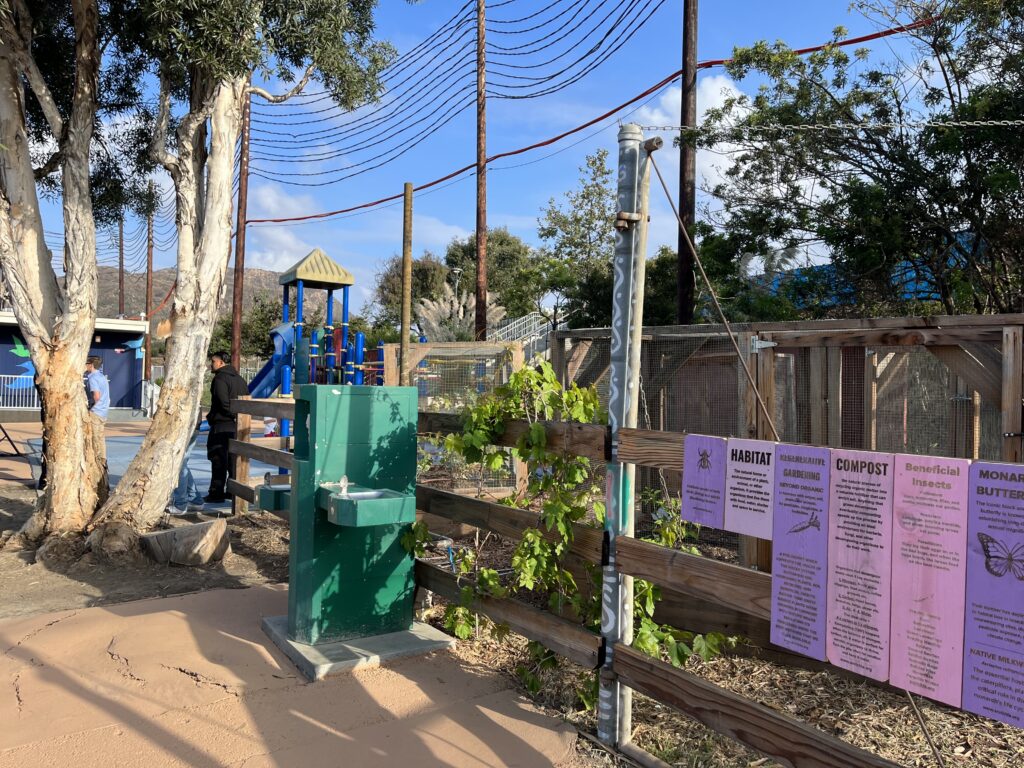
The temporary campus itself is a testament to thoughtful planning, featuring 19 classrooms, a functional kitchen, a library, and dedicated play areas, ensuring that the core elements of a school day are available to students.
Shifting Demographics and Educational Continuity
The impact of the fires has also reshaped the student body.Marquez's enrollment has seen a notable decline, dropping from around 310 students to approximately 130.
A significant portion of these enrolled students no longer reside in the Palisades area, highlighting the widespread displacement caused by the fires.
Despite these challenges, the focus remains on providing a stable and supportive learning environment.
As one parent observed, while the situation is far from perfect, it represents a crucial beginning.
The ability to provide students with a place to socialize, interact daily, and engage in in-person learning is a victory to be celebrated, a testament to the district's commitment to educational continuity.
Beyond Marquez: A Wider Landscape of Recovery
The reopening of Marquez Charter Elementary is a significant event, but it is just one part of a larger narrative of recovery unfolding across the region.The Palisades fire, in particular, left a substantial mark on educational infrastructure, impacting approximately 70% of Palisades Charter Elementary and about 30% of the historic Palisades Charter High School.
The Eaton fire, too, caused considerable damage, affecting five district-run schools and three charter schools within the Pasadena Unified School District.
Community Input and Decision-Making
The decision to reopen Marquez, while other campuses remained closed, was a carefully considered process.District officials emphasized that parent surveys and multiple town hall meetings played a crucial role in shaping this decision.
An April survey revealed that over 45% of responding parents desired a return to a temporary facility in the Palisades as soon as possible, with a further 36.4% advocating for a return by August.
Conversely, a significant portion of parents indicated they would not remain with Marquez if it continued to be housed at the Nora Sterry Elementary campus.
Navigating Parental Concerns
However, the path back was not without its complexities.Concerns raised by parents extended beyond environmental risks to encompass longer commutes for families no longer living in the immediate area.
Transportation availability emerged as a key factor, with over half of the surveyed parents noting its importance in their decision-making, alongside relocation timelines and personal circumstances.
This feedback underscores the multifaceted challenges faced by families navigating post-disaster life and the need for comprehensive support systems.
The sentiment among some parents was that a consensus on returning at that specific time was far from achieved, highlighting the diverse needs and priorities within the community.
Strategic Decisions for Different Campuses
The approach to reopening varied based on the specific needs and circumstances of each school.Parents of Palisades Charter Elementary students, for instance, opted to wait for the completion of permanent buildings.
This decision was influenced by the limited space available on their campus, which needed to accommodate both a temporary school and ongoing construction.
District officials also noted that Marquez Elementary had a higher proportion of students whose families were returning to the Palisades, while Palisades Charter Elementary was situated closer to commercial areas that were still undergoing extensive cleanup and demolition.
These factors illustrate the nuanced considerations that inform educational recovery strategies.
The Pasadena Unified School District: A Unique Challenge
The Pasadena Unified School District faced the brunt of the January blazes, with multiple campuses sustaining damage or being destroyed.The district has implemented the use of portable structures at various schools, including Allendale, McKinley, Don Benito, Audubon, and Webster, to facilitate a return to learning.
However, a definitive timeline for rebuilding remains elusive.
Funding and Future Prospects
Without the backing of a dedicated construction bond, Pasadena Unified is exploring a multifaceted funding strategy.This includes leveraging insurance settlements and actively seeking additional sources of public funding to support their rebuilding efforts.
The financial landscape for these schools presents a unique set of hurdles, requiring innovative solutions and sustained community support.
The Enduring Spirit of Education
Despite the immense challenges, the commitment to education remains unwavering.As one Pasadena Unified official noted, the community's interest in their situation is a source of motivation.
The primary focus is on survival and continuing to provide essential educational services.
The act of students returning to school, even in temporary facilities, is a powerful demonstration of trust and resilience.
It signifies that even in the face of adversity, the desire to learn and connect remains strong, providing a vital opportunity for educators to foster a sense of normalcy and support.
Mentofy's Role in Educational Resilience
In times of crisis and disruption, platforms like Mentofy play a crucial role in supporting educational continuity and fostering resilience.While schools navigate the complexities of rebuilding and reopening, access to high-quality learning resources, flexible educational models, and a supportive online community can be invaluable.
Adapting to New Realities
For students returning to temporary campuses or dealing with the aftermath of natural disasters, the ability to access supplementary learning materials and engage with educational content in new ways is paramount.Mentofy offers a diverse range of courses and resources that can help students catch up, reinforce their learning, and explore new subjects, providing a sense of stability and progress amidst uncertainty.
Empowering Educators and Students
The challenges faced by schools in fire-damaged regions highlight the importance of adaptable and innovative educational approaches.Mentofy's platform can empower educators with tools to create engaging online lessons, track student progress, and foster collaborative learning environments, even when physical school infrastructure is compromised.
For students, it offers a pathway to continued learning, skill development, and a sense of agency in their educational journey.
The resilience demonstrated by students, parents, and educators in these communities serves as an inspiration, underscoring the enduring power of education to rebuild, reconnect, and reimagine the future.
Conclusion
The journey back to school for students in fire-impacted regions like the Palisades is a powerful narrative of resilience, community, and the unwavering pursuit of education.From the physical rebuilding of campuses to the emotional and psychological recovery of students and families, each step forward is a testament to human strength.
The experiences of Marquez Charter Elementary and the broader efforts within the Pasadena Unified School District underscore the critical need for adaptable educational strategies, robust community support, and innovative solutions.
As these schools continue their path toward full recovery, the lessons learned about perseverance, collaboration, and the fundamental importance of learning will undoubtedly shape a brighter future for all students involved.






 Explore AI Teaching Tools
Comments (0)
Please login to comment
No comments yet
Be the first to comment on this article