
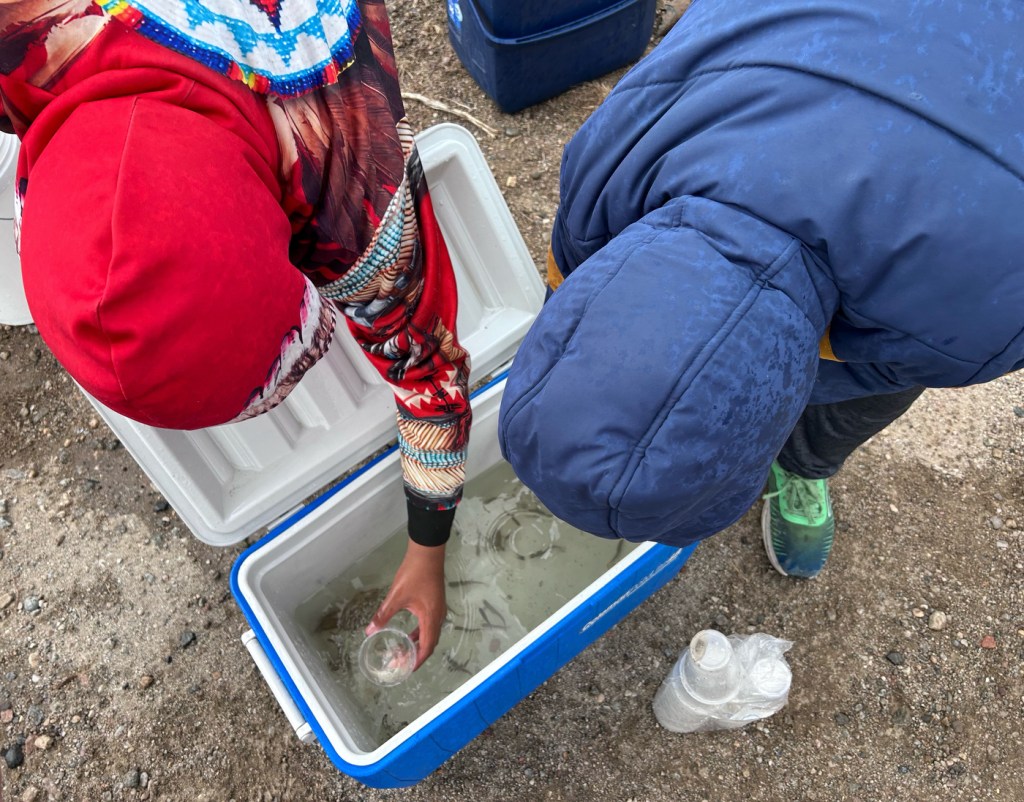
Imagine a classroom where the hum of learning isn't just from discussion, but from the gentle trickle of water and the silent promise of life. This year, hundreds of tribal students across central Wyoming are not just studying ecosystems; they're actively participating in them, releasing hundreds of tiny rainbow trout into local lakes. This hands-on program, a powerful blend of science and stewardship, offers a compelling model for educators everywhere seeking to deepen student engagement and foster environmental responsibility.
From Classroom Tank to Wild Waters: A Living Science Lab
The scene is one of pure, unadulterated discovery. Teenagers, their faces alight with a mix of concentration and glee, are carefully guiding small, wriggling trout fry from coolers into the shallows of Ray Lake. This isn't just a field trip; it's the culmination of months of dedicated work, where students have nurtured these fish from eggs to a stage ready for their wild debut.
This immersive experience is part of the Trout in the Classroom program, a multi-year initiative involving schools on the Wind River Reservation. Funded by the Wyoming Game and Fish Department and facilitated by Trout Unlimited, with coordination from the Wind River Tribal Buffalo Initiative, the program transforms abstract scientific concepts into tangible, living lessons.
"Connecting the students directly to wildlife and its habitats helps foster emotional investment... which is to inspire responsible cultural stewardship of the land."
The program’s impact extends beyond the scientific. Educators report a noticeable shift in students' connection to their environment. By actively caring for these young fish, students develop a profound sense of ownership and responsibility towards the health of local waterways and the wildlife they support. This direct engagement helps to "heal some of those disconnections" with the landscape, as one coordinator put it.
Beyond the Textbook: Cultivating a Deeper Understanding
For teachers like John Gookin, a science educator at Fort Washakie High School, the program is a goldmine of pedagogical opportunities. It provides a dynamic, real-world context for teaching complex topics such as water chemistry, beneficial bacteria, and the intricate life cycles of aquatic species.
Students aren't just reading about ammonia levels; they're testing them in their classroom tanks. They're learning about molecular structures and ecological cycles not from diagrams, but from observing the direct impact on the tiny lives they are nurturing. This operationalizes concepts that might otherwise remain abstract.
The excitement is palpable, especially for students who are already familiar with angling. The prospect of contributing to a healthy fish population in their local lake adds a layer of personal investment, transforming a science project into a community-enriching endeavor.
Key Takeaways for Educators:
- Hands-on learning deepens engagement: Direct interaction with living organisms makes scientific principles more relatable and memorable.
- Fosters environmental stewardship: Caring for a species cultivates a sense of responsibility for its habitat and the broader ecosystem.
- Connects curriculum to community: The program links classroom learning to local environmental issues and community well-being.
- Supports diverse learning styles: It appeals to kinesthetic learners and those who thrive on practical application.
- Encourages interdisciplinary connections: Science, ecology, and even aspects of civics and culture can be integrated.
The Ripple Effect: Inspiring Future Stewards
The release of the trout fry is more than just an endpoint; it's a powerful symbol of growth and potential. As the tiny fish dart into the lake, they represent the students' own journey of learning and their emerging role as stewards of their environment. The program aims to rewire perspectives, fostering a generation that understands and actively protects the natural world.
This model, with its emphasis on experiential learning and community involvement, offers valuable insights for educators far beyond the reservation. It demonstrates how powerful it can be to move beyond traditional instruction and immerse students in the very subjects they are studying. The success of this program highlights the profound impact of connecting students with nature in a way that is both educational and deeply meaningful.
While the specific context of raising trout might seem unique, the underlying principles are universally applicable. Imagine leveraging similar immersive experiences, perhaps through MentofyCove classroom games that simulate ecological challenges or using Mentofy AI teaching tools to generate lesson plans focused on local biodiversity. The goal remains the same: to ignite curiosity and empower students to become active participants in their world.
The laughter and the slippery fish at Ray Lake are more than just a memorable day; they are the sound of a new generation learning to care for their world, one tiny trout at a time. This program proves that when students are given the opportunity to connect with nature, they become its most passionate protectors.





 Explore AI Teaching Tools
Comments (0)
Please login to comment
No comments yet
Be the first to comment on this article