
A startling reality is emerging from our classrooms: while students are mastering the mechanics of sounding out words, the crucial link to understanding their meaning is often left unbuilt. This disconnect between decoding and comprehension means that early successes in phonics may not translate into the deeper literacy skills needed for academic success. For educators, this presents a pressing challenge: how do we ensure that the hard-won ability to read words translates into a genuine grasp of meaning?
The Phonics Revolution is Here, But Is It Enough?
Across the nation, a significant shift has occurred in early literacy instruction. Phonics, once a secondary consideration, is now front and center, driven by research and a collective desire to equip young learners with essential reading skills. Teachers are diligently implementing explicit phonics instruction, focusing on sound-symbol relationships and word decoding.
A recent SRI Education study, examining four urban districts, underscores this widespread adoption. Between 88% and 94% of over 200 surveyed teachers reported using foundational skills curricula daily or almost daily. Classroom observations corroborated this, revealing focused, aligned, and explicit instruction—hallmarks of effective teaching.
"Across the four districts, between 88% and 94% of over 200 surveyed teachers reported using their foundational skills curriculum daily or almost daily."
Yet, despite these commendable efforts, a critical piece of the puzzle is frequently missing: the consistent opportunity for students to connect the words they decode to their actual meaning. While students can often sound out complex words, the depth of their understanding may not be keeping pace.
When Decoding Doesn't Lead to Meaning
The disconnect becomes starkly evident when students transition to more complex texts. National data reveals a concerning trend: while a majority of K–2 students may be on track for learning to read, a significantly smaller percentage demonstrate proficiency by fourth grade on assessments that require deeper comprehension.
This mirrors findings from our own research. In over half of the observed lessons, teachers addressed word meaning only once, or not at all. This suggests that students are adept at blending sounds to form words but are not consistently being guided to make sense of those words within a broader context.
The implications for students are profound. They may be able to decode a sentence like, "The intrepid explorer ventured into the dense jungle," but without explicit instruction on the meaning of "intrepid" and "dense," their comprehension of the sentence's overall message is significantly limited.
The Hidden Curriculum: Bridging Decoding and Comprehension
A key reason for this gap lies in how early literacy instruction is often structured. Decoding and language comprehension are frequently treated as separate subjects, taught with different curricula and addressed in distinct professional learning sessions. This siloed approach can inadvertently create the impression that meaning-making has no place within phonics lessons.
Furthermore, early literacy data systems, including screeners and progress monitoring tools, tend to emphasize phonemic awareness and phonics. While important, this focus can reinforce the notion that these are the sole metrics of success in early reading, overshadowing the equally critical development of language comprehension.
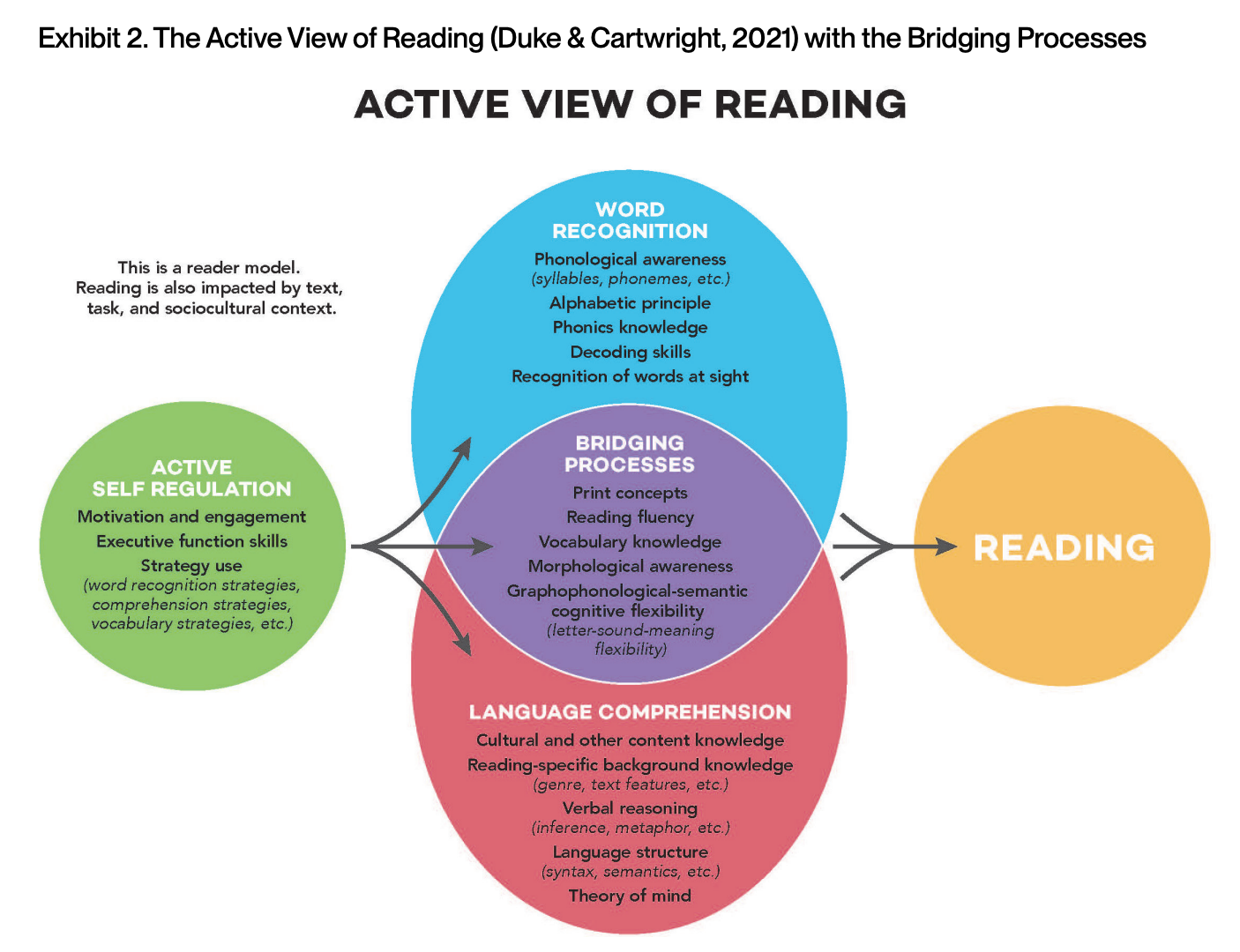
Our research points to the need for "bridging processes"—mechanisms that explicitly connect word recognition and language comprehension. These processes should be woven into the fabric of phonics instruction from the earliest stages, not relegated to a later, separate phase.
The Power of Vocabulary and Fluency
Two fundamental bridging processes are vocabulary knowledge and reading fluency. Understanding the meanings of words is paramount; without it, decoding is a mechanical exercise devoid of substance. Similarly, reading fluency—the ability to read connected text accurately and smoothly—is essential for processing meaning in longer passages.
Without these bridging processes, students can become proficient decoders of individual words but still struggle to unlock the meaning of sentences, paragraphs, or entire texts. This can lead to a frustrating experience where early gains in reading fade as academic demands increase.
Integrating Meaning-Making into Phonics Instruction
The encouraging news is that bridging these gaps doesn't necessitate a complete overhaul of existing instructional frameworks. Small, intentional adjustments can yield significant results. The goal is to embed meaning-making into phonics instruction, making it an integral part of the learning process.
Consider a phonics lesson focused on the digraph "sh." Instead of just practicing words like "ship" and "shop," a teacher could introduce a picture of a ship and ask students to describe what they see, using the word. This brief activity anchors the word in visual and semantic context, enhancing recall and understanding.
Another effective strategy involves incorporating vocabulary directly into phonics lessons. When teaching a specific phonics pattern, such as the long "a" sound, teachers can introduce words like "explain," "obtain," and "maintain." Before students practice decoding these words, a quick definition or a sentence using the word in context can significantly boost comprehension.
"In our latest publication, we look specifically at the foundational reading skills taught in the earlier grades. Moreover, we found that many students meet literacy benchmarks for foundational skills on early literacy screening assessments. But by third grade — when they are expected to make meaning from more complex texts on state literacy assessments — far fewer demonstrate proficiency."
Building Fluency with Connected Text
Similarly, building reading fluency doesn't require abandoning explicit phonics. It means ensuring students regularly encounter and practice decoding connected text that incorporates the phonics patterns they are learning. This moves beyond isolated word practice to real-world application.
After students have practiced decoding words with the "ou" sound, such as "house," "mouse," and "cloud," they can then read sentences or short passages that utilize these words. For instance, a sentence like, "The mouse ran into the house," allows students to apply their phonics skills in a meaningful context.
Our study revealed that opportunities for such fluency practice with connected text were surprisingly rare. Many early literacy curricula include these passages, but they are sometimes skipped due to time constraints or a misunderstanding of their crucial role in developing reading comprehension.
Actionable Strategies for Educators
The challenge of bridging decoding and meaning requires a multi-faceted approach, involving educators, school leaders, and district administrators. Here are actionable steps that can be taken:
- Integrate Vocabulary Instruction: Explicitly teach the meaning of target words within phonics lessons. Use visuals, context clues, and student-friendly definitions to ensure understanding.
- Prioritize Connected Text: Dedicate time for students to read sentences, paragraphs, and short stories that reinforce the phonics patterns they are learning. This builds fluency and comprehension simultaneously.
- Leverage Existing Resources: Many foundational skills curricula include decodable texts and vocabulary-rich passages. Ensure these are utilized effectively.
- Embrace Interactive Tools: Consider using tools that make practicing words and sentences engaging. For example, MentofyCove classroom games can be adapted to reinforce phonics patterns within meaningful contexts, turning practice into play.
- Focus on Meaningful Application: Design activities where students use new vocabulary and apply phonics skills in their own writing or discussions, further solidifying their understanding.
Educators can also explore innovative Mentofy AI teaching tools for lesson planning, ensuring that vocabulary and fluency are integrated from the outset. Tools like an AI lesson plan generator can help craft lessons that thoughtfully connect decoding with meaning, saving valuable preparation time.
The Role of Leadership in Fostering Deeper Literacy
Addressing this critical gap requires more than individual teacher effort. District and school leaders must champion the importance of bridging processes in foundational skills instruction. This means clearly articulating that vocabulary and fluency are not add-ons but essential components of effective phonics teaching.
Leaders should also review and align data collection systems to capture a broader view of reading development. Moving beyond solely word recognition metrics to include measures of comprehension and vocabulary growth will provide a more holistic picture of student progress.
Professional development plays a crucial role. Instructional coaches and school leaders can provide targeted training on how to embed vocabulary and fluency practice into phonics lessons without sacrificing instructional focus. This can involve peer observations, lesson study, and coaching conversations.
Rethinking Assessment and Data
The data systems used to monitor student progress should reflect the interconnectedness of decoding and comprehension. If assessments primarily focus on isolated word reading, they may not accurately capture students' ability to derive meaning from text.
This shift in assessment philosophy can inform instructional priorities. When educators see that their students are strong decoders but struggle with comprehension, it signals a need to strengthen the bridging processes within their teaching.
The Path Forward: Decoding with Understanding
The promise of early literacy reform has always been to cultivate lifelong readers who can navigate complex texts with confidence and understanding. While significant progress has been made in teaching students how to decode words, we must ensure this skill is firmly anchored in meaning.
By intentionally integrating vocabulary knowledge and reading fluency into phonics instruction, we can build the essential bridges that connect word recognition with deep comprehension. This approach not only honors the hard work of educators but also sets students on a path to true literacy success, where every word read unlocks a world of meaning.
The journey from sounding out letters to comprehending complex narratives is a continuous one, and by focusing on these crucial bridging processes, we can ensure that our youngest learners are not just reading words, but truly understanding them.






 Explore AI Teaching Tools
Comments (0)
Please login to comment
No comments yet
Be the first to comment on this article