
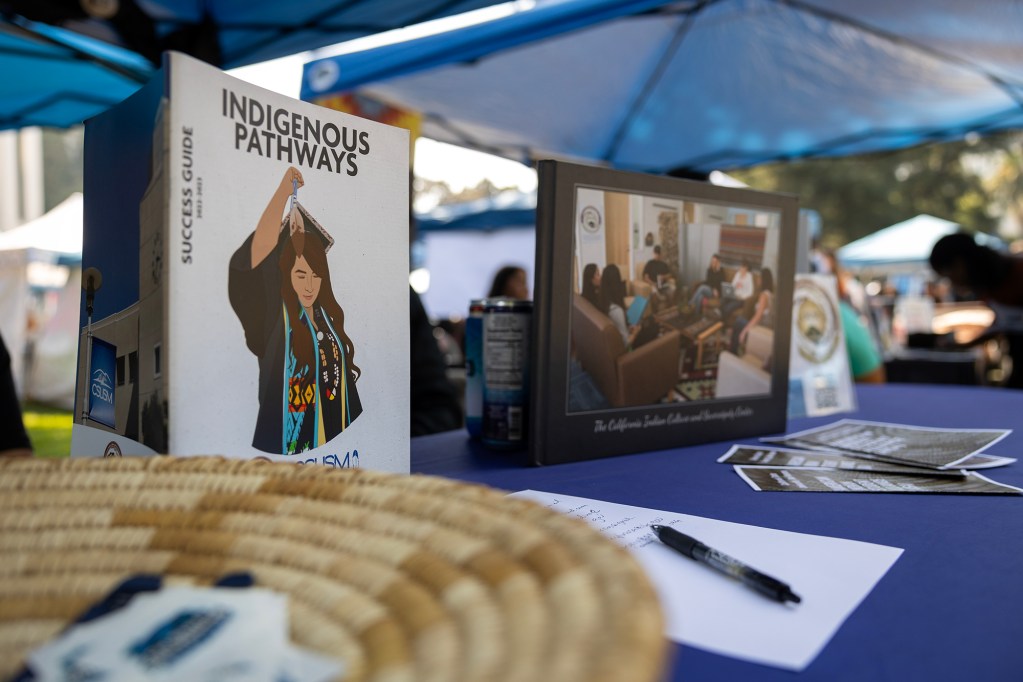
California is on the cusp of a significant policy shift aimed at rectifying a long-standing undercount of Native American students, a move that carries profound implications for educational equity and cultural recognition. For too long, the state's data collection methods have inadvertently erased the identities of many students, particularly those with mixed heritages, denying them crucial resources and perpetuating harmful stereotypes. This initiative, spearheaded by lawmakers like Assemblymember James Ramos, promises to bring a more accurate and nuanced understanding of California's diverse student population to the forefront.
A Loophole Erasing Identity and Opportunity
The current system in California schools presents a paradox for students who identify with multiple ethnic backgrounds, especially those who are both Hispanic and Native American. When parents check the "Hispanic" box on school forms, their children's Native American identity is effectively nullified in the state's count. This oversight is not merely an administrative error; it has tangible consequences, as it can prevent students from accessing vital support services and culturally relevant programs they are entitled to.
This issue is compounded for multiracial Native American students. If a student identifies as Native American and another race, such as Black, white, or Asian, they are categorized under "two or more races" rather than being specifically recognized as Native American. This practice, advocates argue, leads to a dramatic undercount, with some estimates suggesting that as many as 90% of Native American students may be uncounted.
"If someone is Black, or Asian, or white, they’re counted that way," said Celestina Castillo, a director of a college learning center. "Why does it not count if someone is Native American? That’s not OK. It feels like erasure."
The Promise of Accurate Representation
The disparity between reported and actual numbers is stark. Last year, California schools reported approximately 24,822 Native American students. However, an Assembly report on Assembly Bill 1581 suggests the real figure could be as high as 156,000. This substantial gap highlights the urgent need for reform.
An accurate count is more than just a statistical correction; it's a pathway to enhanced educational opportunities. With a clearer picture of the Native American student population, schools can better allocate resources for cultural services, tutoring, and other programs designed to support academic success. This, in turn, can help foster a more inclusive and understanding educational environment for all students.
Assemblymember James Ramos, a member of the Serrano/Cahuilla tribe, emphasizes the broader societal impact of this change. "We’ll start to see the true picture of Native Americans in California," Ramos stated. "Native American students should be able to stand up in the classroom and say who they are and be proud of it."
Historical Echoes and a Path Forward
The struggle for accurate representation in California schools is rooted in a long and often painful history of marginalization. In the late 19th and 20th centuries, Native American children in California were forcibly removed from their families and placed in boarding schools. There, they were often stripped of their cultural identities and compelled to abandon their languages and traditions, a practice that has left lasting scars.
Significant progress began in 1970 when the U.S. Census Bureau started refining its methods for counting Native Americans. These changes allowed individuals to list their tribal affiliations and identify as multiracial while still being counted as Native American. Although undercounts persist, these reforms led to a tenfold increase in the officially recognized Native American population in the U.S., revealing that California is home to the largest Native American population of any state.
Assembly Bill 1581 directly addresses these historical inequities by proposing to allow Native American students to write in their tribal names on school forms and to identify as Native American alongside other races. This nuanced approach aims to capture the full spectrum of Native American identity, ensuring that students are counted accurately and can access the support they deserve.
Dispelling Stereotypes, Building Awareness
Shannon Rivers, who champions education issues for the California Native Vote Project, believes that an accurate count is crucial for dismantling persistent stereotypes. "In the eyes of many Americans, there’s still this image of Native American people from the past, from the 1800s," Rivers observed. "That history is important, but we’re in the modern world, too. We’re doctors, lawyers, scientists, artists, educators."
By making Native American students more visible in educational data, schools can foster a greater public awareness of contemporary Native American communities and their contributions. This increased visibility can also translate into more funding for essential services, supporting initiatives like tutoring, cultural events, and curriculum development focused on Native American history and heritage.
The personal experiences of lawmakers and advocates underscore the deeply felt impact of misidentification. Assemblymember Ramos recalled his own confusion growing up, grappling with ethnicity forms where his Native American heritage was obscured by labels like "white" or "Hispanic." This confusion, he noted, led to difficult conversations at home and a sense of not belonging.
Celestina Castillo shared a similar sentiment, recounting how her children, who proudly identified as Native American, were sometimes viewed as curiosities. The experience of her son being pointed at and called an "Indian" in a derogatory way left him feeling marginalized, as if his identity was an anomaly.
"My son felt like a dinosaur or a unicorn, like we didn’t exist," Castillo said.
Castillo's decision to leave the ethnicity question blank on her children's school forms was a deliberate act of protest, born out of frustration that her children would not receive the services they were entitled to. She expressed a strong hope that the proposed bill would finally make Native American students visible to policymakers, ensuring their needs are recognized and addressed.
Empowering Educators with Better Tools
While legislative changes are crucial, educators play a pivotal role in fostering inclusive environments and accurately identifying students. The challenges of data collection are mirrored in the daily classroom, where understanding student backgrounds can inform pedagogical approaches. Tools that support differentiated instruction and cultural responsiveness are invaluable.
For instance, utilizing Mentofy AI teaching tools can help educators create diverse learning materials that resonate with students from various backgrounds. Crafting an AI lesson plan that acknowledges and celebrates different cultural heritages can make students feel seen and valued. Furthermore, features like MentofyGroups, which offers smart student grouping and AI icebreaker types, can help build community and understanding within the classroom.
The ability to accurately assess student understanding is also paramount. While the focus is on demographic data, educational progress relies on effective assessment. Tools that streamline the assessment process, such as an exam creator with a wide variety of question types or AI grading for handwritten work, can free up educators' time to focus on individual student needs and cultural integration.
Interactive classroom displays can also play a role in creating a more engaging and inclusive atmosphere. MentofyBoards, with its 18 interactive widgets, can be used to display cultural holidays, student work celebrating heritage, or even simple prompts that encourage students to share aspects of their identity in a safe and supportive way. This can help reinforce the message that all identities are valid and celebrated.
Fostering Engagement and Cultural Pride
Beyond formal data collection, educators can actively promote cultural pride and engagement. Incorporating culturally relevant content into the curriculum is essential. This might involve exploring the history and contributions of Native Americans in California, inviting guest speakers from local tribes, or utilizing literature and art that reflect Native American experiences.
Interactive learning experiences can also be powerful tools for engagement. MentofyCove classroom games offer a fun and dynamic way for students to learn about various topics, including history and culture. Imagine a trivia game focused on Native American history in California, or a word search game featuring tribal names and important cultural terms. These activities can make learning enjoyable while reinforcing key concepts and fostering a sense of connection.
The introduction of live quiz formats can also gauge student understanding in real-time, allowing educators to identify areas where students might need additional support or where cultural context can be further integrated. This dynamic approach ensures that learning is responsive to the needs of all students.
Ultimately, the goal is to create a school environment where every student feels recognized, respected, and empowered to embrace their full identity. By supporting legislative efforts like AB 1581 and by leveraging innovative educational tools, California is taking a significant step towards ensuring that all its students, including its Native American population, are counted, celebrated, and given the opportunities they deserve to thrive.




 Explore AI Teaching Tools
Comments (0)
Please login to comment
No comments yet
Be the first to comment on this article