
Higher Education's Looming Crisis: Colleges Face Closures, Students Brace for Uncertainty
The hallowed halls of academia are echoing with a new anxiety. As more colleges and universities grapple with dwindling enrollments and mounting debt, the specter of closure looms large, leaving students and institutions alike in a precarious position. This isn't just a distant threat; it's a palpable reality reshaping the landscape of higher education.
The Digital Echoes of Lost Campuses
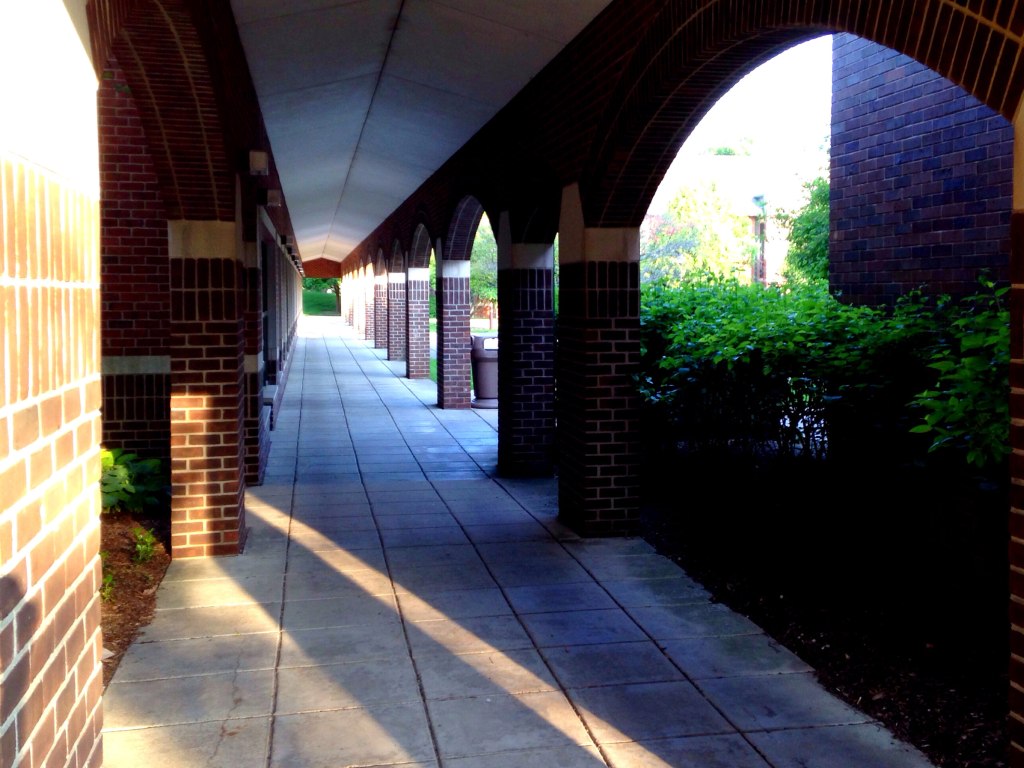
Imagine a vibrant campus, a place of learning and community, preserved only in the digital ether. This was the poignant reality for Trinity Christian College in Palos Heights, Illinois, which shuttered its doors in May. Its physical campus, once a hub for lectures, student testimonies, and artistic expression, is now being sold to settle over $26 million in debt.
The creation of a permanent virtual reality memorial for Trinity Christian College, spearheaded by alumni Shalom and Ashley Nwaokolo, is a testament to the emotional toll these closures take. It's a sentimental response to a growing crisis, an attempt to honor a legacy rather than see it vanish completely.
A Perfect Storm: Enrollment Declines and Financial Strain
The accelerating pace of college closures is driven by a confluence of factors. Plummeting enrollment numbers, a persistent challenge for many institutions, are exacerbated by rising operational costs and significant debt burdens. These financial pressures are creating a perfect storm that threatens the stability of countless colleges.
The federal government is taking notice, signaling a commitment to streamline the process for healthier institutions to acquire struggling ones. This move aims to provide a lifeline for at-risk colleges, though the complexities of such mergers are significant.
States Step In: Consumer Protection and Tuition Recovery
In response to the growing number of closures, states are enacting stronger consumer protections for students. Twenty-two states now require private higher education institutions to contribute to "tuition recovery" funds. These funds act as a safety net, providing compensation to students should their college abruptly close.
While initially designed for for-profit schools, nearly half of these state programs now extend to nonprofit degree-granting colleges. This expansion reflects the widespread nature of the financial challenges facing the higher education sector.
Massachusetts: A Bellwether for the Nation
Massachusetts serves as a stark example of the escalating crisis. Since 2014, 26 colleges in the state have ceased operations, with a 27th slated to close at the end of the current academic year. This alarming trend has prompted new state legislation requiring private colleges and universities to publicly disclose their financial reports.
Regulators are now conducting annual reviews to assess the likelihood of institutional failure. This proactive approach aims to provide transparency and potentially intervene before a crisis becomes insurmountable.
The Federal Response: Streamlining Mergers and Student Support
The U.S. Department of Education is actively exploring ways to expedite the merger process between financially sound and troubled institutions. Current bureaucratic hurdles often lead to lengthy negotiations, causing many potential partnerships to falter.
Nicholas Kent, under secretary for higher education, acknowledged the reality: "Depending on how you count them, we have 6,000 institutions of higher education in this country, and not all of them are going to make it out of the next decade." The focus, he noted, is on those institutions that can adapt and innovate.
Legal Battles Erupt Over Abrupt Closures
As campuses close, students and employees are increasingly turning to the courts. Lawsuits are multiplying, alleging fraud and breach of contract against institutions that have ceased operations. The University of the Arts in Philadelphia, which closed suddenly in 2024, is facing multiple class-action federal lawsuits.
These legal actions highlight the profound disruption and financial hardship experienced by those affected by unexpected campus closures. Students often find themselves in a difficult position, having paid for an education that is no longer accessible.
The Stark Numbers: A Quarter of Private Colleges at Risk
Projections paint a sobering picture of the future. An estimated 440 of the nation's 1,700 private, nonprofit four-year colleges and universities, approximately a quarter of the total, are at risk of closure or forced merger within the next decade. Of these, over 120 are considered to be at the highest risk, based on critical financial indicators.
These endangered institutions collectively enroll around 670,000 students, underscoring the vast number of individuals who could be impacted by this ongoing trend in higher education.
Navigating the Aftermath: Student Support and Loan Forgiveness
The Department of Education has issued guidance for students facing the closure of their college. The advice, while practical, underscores the difficult reality: fewer than half of students at closing institutions continue their education. Many who do face credit loss and a longer path to degree completion.
For students impacted by closures, federal loan forgiveness programs, such as Borrower Defense to Repayment and Closed School Discharge, offer a potential avenue for relief. However, these programs shift the debt burden to taxpayers, prompting calls for institutions to bear more of the financial responsibility.
The Case for Institutional Responsibility
Preston Cooper, a senior fellow at the American Enterprise Institute, advocates for a federal tuition recovery fund, similar to state-level initiatives. Such a program, he suggests, could be funded by colleges based on their federal student loan disbursements, with higher-risk institutions contributing more.
This approach, Cooper argues, would ensure that students who invest time and money in their education are protected, with colleges bearing the cost rather than taxpayers. Critics, however, express concern that such fees could further strain already struggling institutions.
The Inertia of Crisis: Why Colleges Delay Action
Despite the mounting pressure and clear warning signs, many vulnerable colleges remain slow to implement necessary changes. Brian Weinblatt, founder of a firm specializing in higher education consolidation, notes that "Almost every institution waits until it's too late to engage in this process."
This delay, Weinblatt explains, often makes institutions less attractive to potential merger partners. Factors like dwindling enrollment, deferred maintenance, and excessive debt can make a turnaround or merger significantly more challenging when action is postponed.
The "Merger Runway" Concept
Weinblatt's company has developed a "merger runway index" to help institutions assess their remaining time before a merger or closure becomes unavoidable. The prolonged federal review process for mergers can also be a significant impediment, as financially stable institutions may be unwilling to subsidize a struggling partner for extended periods.
The Department of Education's efforts to streamline these processes are crucial for facilitating timely and effective solutions for institutions in distress.
Innovating for Survival: New Revenue Streams Emerge
As the higher education landscape shifts, some colleges are creatively seeking new revenue streams to bolster their finances. Agnes Scott College in Georgia is renting out historic homes on its campus, while Sweet Briar College in Virginia is selling hydroponic lettuce grown in its greenhouses.
Other universities are capitalizing on their unique assets. The University of California, Davis, has launched a product line derived from its cultivated olives, and the University of Alaska sells permits for firewood harvesting. Universities like New Mexico State, Mississippi State, and the University of Nevada, Reno, have licensed their brands for consumer products ranging from coffee and whiskey to cigars and beef jerky.
The Enduring Value of Campus Life
The Nwaokolos, creators of the virtual Trinity Christian College, see a business opportunity in preserving campus legacies. Their platform, "Perduras," aims to provide a digital space for alumni and students to connect with their alma mater's history.
"There's so much life that happens at college," Ashley Nwaokolo reflects. "It's a crossroads of maturity. You have a community around you going through similar experiences. That creates, most of the time, good memories and attachments to that college." In a world where physical campuses may disappear, these digital echoes offer a way to maintain that connection.





 Explore AI Teaching Tools
Comments (0)
Please login to comment
No comments yet
Be the first to comment on this article