
Beyond the Tap: A Bold New Strategy to Secure Malaysia's Water Future
As the mercury rises and weather patterns grow increasingly unpredictable, a critical question looms over Malaysia: how can the nation safeguard its precious water supply for generations to come? In a move signaling a proactive stance against potential shortages, a significant government initiative is exploring an unconventional, yet vital, resource: the development of underground tube wells.
Unearthing a Hidden Lifeline: The Tube Well Initiative
The Ministry of Energy Transition and Water Transformation, known as PETRA, is spearheading a comprehensive study to assess the viability and potential of tube wells. This ambitious programme isn't just about finding more water; it's about building a robust contingency plan to ensure a stable supply, even when surface sources are compromised.
This deep dive into subterranean water reserves is being conducted by the National Water Research Institute of Malaysia (NAHRIM). Their mandate is clear: identify and map new water sources that can act as a crucial backup during times of supply disruption. It's a strategic development aimed at fortifying the nation's water security infrastructure.
The Looming Shadow of Scarcity
The urgency behind this initiative cannot be overstated. Forecasts indicate a continuation of hot weather until August, a period that invariably strains existing water resources. While current water supply nationwide remains under control thanks to the diligent efforts of various agencies, the specter of drought and low rainfall serves as a stark reminder of our vulnerability.
This isn't an isolated concern. Global institutions have issued stark warnings, painting a picture of an era where water scarcity could become a defining challenge. Malaysia, like many nations, must confront this reality head-on and implement forward-thinking solutions.
A Thirsty Nation: Consumption Habits Under the Microscope
A significant factor contributing to water stress is the nation's consumption rate. In Peninsular Malaysia and the Federal Territory of Labuan, per capita water usage hovers around 223 litres daily. This figure stands in stark contrast to the World Health Organisation's recommended benchmark of 165 litres per capita per day.
This substantial difference highlights a critical area for improvement. The responsibility doesn't solely lie with infrastructure development; it must also extend to the public. A collective shift in water usage habits is not just advisable, it is a must for ensuring long-term sustainability.
Empowering the Public: A Programme for Change
Recognizing the pivotal role of public engagement, the National Water Services Commission (SPAN) is actively implementing a comprehensive Communication, Education, and Public Awareness (CEPA) Programme. This initiative is designed to reach an ambitious target of at least one million users nationwide by 2026.
The core objective of this programme is to foster a deeper understanding of efficient water usage and the profound importance of minimizing wastage. By empowering citizens with knowledge, SPAN aims to cultivate a culture of water conservation, thereby safeguarding the nation's vital water supply.
Beyond Awareness: Tangible Support for Education
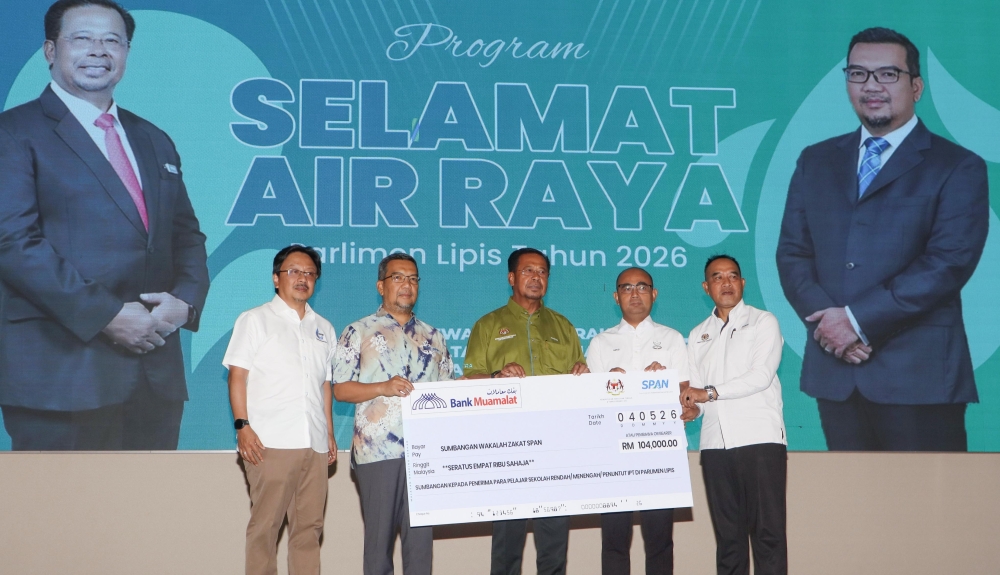
The commitment to water security extends to supporting the next generation. During a recent Selamat Air Raya programme, SPAN demonstrated this commitment by distributing zakat wakalah totaling RM104,000 to 200 students. These recipients hailed from primary, secondary, and higher education institutions, underscoring a holistic approach to community development.
The exploration of tube well development by PETRA, coupled with public awareness campaigns and educational support, signifies a multi-pronged strategy. It’s a clear indication that Malaysia is not waiting for a crisis to unfold but is actively investing in a resilient and sustainable water future for all.







 Explore AI Teaching Tools
Comments (0)
Please login to comment
No comments yet
Be the first to comment on this article