
Expanding Access: New Bachelor's Degrees at California Community Colleges
Discover how California's community college system is revolutionizing higher education by introducing more affordable and accessible bachelor's degree programs.
This expansion offers students unprecedented opportunities to earn valuable degrees closer to home, enhancing skill development and career readiness within their local communities.
The Growing Landscape of Bachelor's Degrees in California Community Colleges
The California Community Colleges system is significantly broadening its higher education offerings.
Recently, six new bachelor’s degree programs received official approval, bringing the total number of such programs, either currently offered or soon to be available, to 39 across the state.
This strategic expansion aims to democratize access to four-year degrees, making them attainable for a wider demographic of students.
These newly approved programs are strategically placed to address local workforce needs and student demand.
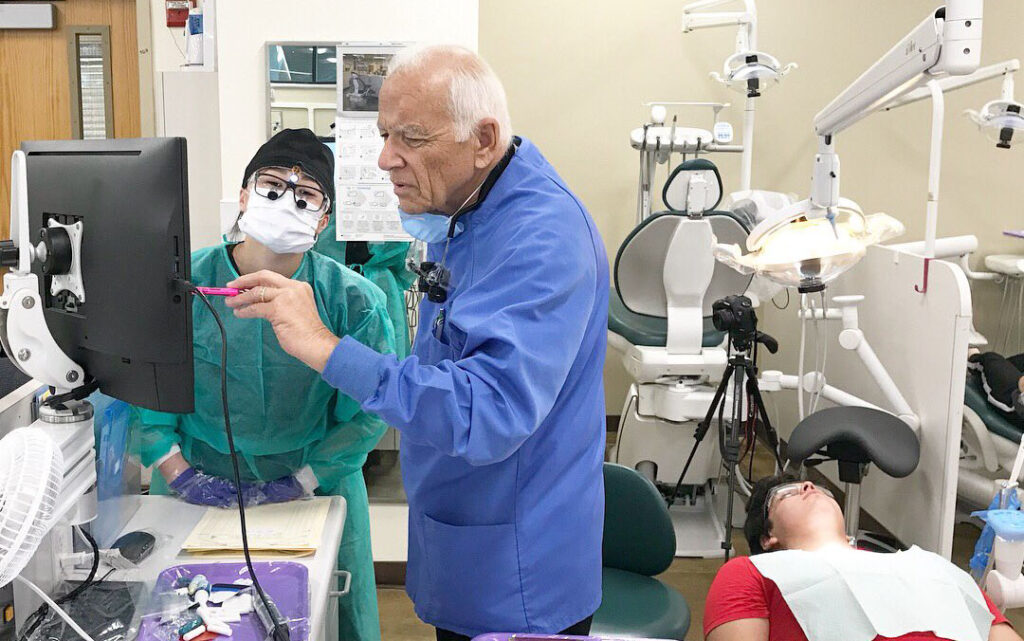
They include specialized fields such as respiratory care at Antelope Valley College, paramedicine at the College of the Siskiyous, and dental hygiene at both Cypress College and Oxnard College.
Additionally, paralegal studies will be available at Santa Ana College, and Victor Valley College will offer a respiratory therapist bachelor's degree.
This initiative underscores a commitment to providing quality, cost-effective educational pathways directly within the communities served by these colleges.
The impact of this initiative is substantial.
With these additions, 32 distinct community colleges across California now host at least one bachelor’s degree program.
Several institutions, including Antelope Valley, Cypress, and Santa Ana colleges, are expanding their existing bachelor's offerings, demonstrating a growing trend and commitment to this educational model.
The momentum is expected to continue, as an additional 13 program applications are currently under review, signaling further growth in the coming cycles.
Understanding the Baccalaureate Degree Program Framework
The expansion of bachelor's degree programs within the community college system is facilitated by a state law enacted in 2021.
This legislation empowers the community college system to approve up to 30 new bachelor’s degrees annually, distributed across two review cycles each year.
The focus remains on fields experiencing high demand for skilled professionals, ensuring that graduates are well-prepared for the modern workforce.
Key Features and Benefits
- Affordability: Earning a bachelor's degree at a community college is significantly more cost-effective than pursuing one at a traditional four-year university.
This financial advantage makes higher education accessible to a broader range of students.
- Accessibility: Many of these programs are being established in areas where access to University of California (UC) or California State University (CSU) campuses is limited.
This brings crucial higher education opportunities directly into underserved regions, strengthening local communities.
- Career-Focused Curricula: The approved programs are designed to meet the demands of high-growth career sectors, ensuring that students acquire relevant skills and knowledge for immediate employment or further specialization.
Navigating Program Approval and Future Developments
The process for approving new bachelor’s degree programs is rigorous, involving an intersegmental review.
This crucial step allows the UC and CSU systems to assess proposed programs and voice any objections.
A key stipulation of the state law is that community college bachelor's programs cannot directly duplicate offerings already available within the UC or CSU systems.
This duplication clause has, at times, presented challenges.
The CSU system, in particular, has raised concerns about potential program overlap, which has occasionally led to delays in the approval process.
Community college officials are actively collaborating with their CSU counterparts to refine dispute resolution mechanisms and streamline future approvals.
Currently, 11 proposed programs are still undergoing this intersegmental review.
Despite these hurdles, the system is adapting.
The inability to offer degrees in certain high-demand fields, such as nursing, due to duplication concerns, is being addressed.
Proposed legislation, like Senate Bill 895, aims to expand these opportunities further by allowing a select group of community colleges to offer bachelor's degrees in nursing, addressing critical workforce shortages.
Conclusion
The expansion of bachelor's degree programs within California's community colleges represents a significant stride towards more equitable and accessible higher education.
By offering affordable, career-oriented degrees in high-demand fields, these institutions are empowering students, strengthening local economies, and enriching the educational landscape of California.
The ongoing development and review of new programs indicate a promising future for this innovative approach to earning a bachelor's degree.







 Explore AI Teaching Tools
Comments (0)
Please login to comment
No comments yet
Be the first to comment on this article