
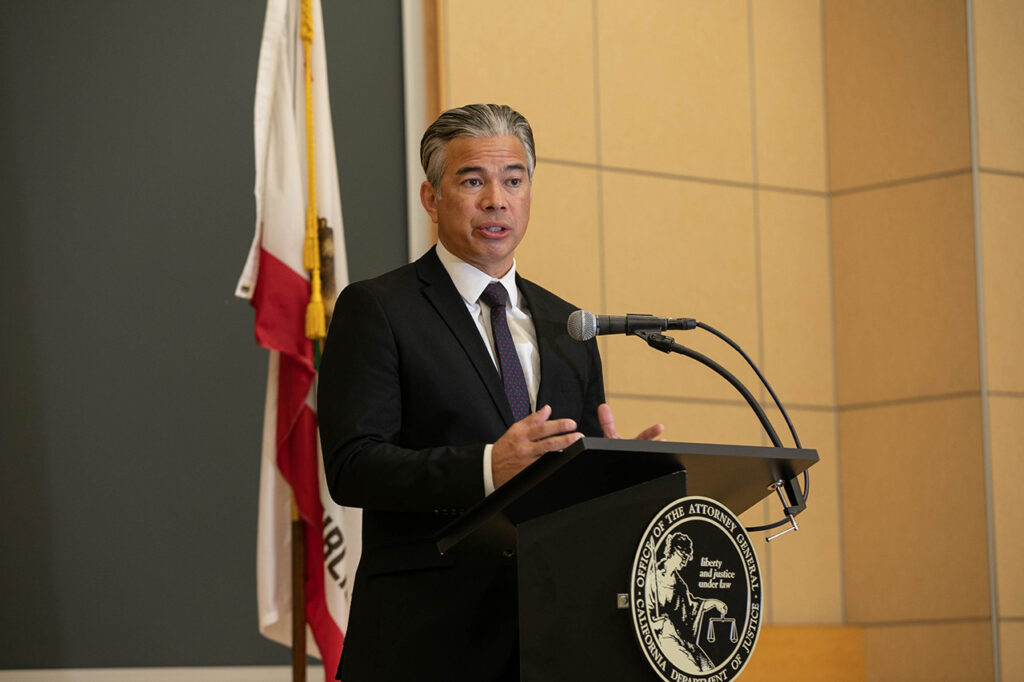
Navigating Educational Policy: A Deep Dive into Parental Rights and Student Well-being
In the dynamic landscape of education, the delicate balance between parental involvement and student privacy is a constant subject of discussion and policy development.Understanding the intricacies of these policies is crucial for educators, parents, and the broader school community.
This article explores the evolving nature of educational policies, focusing on how districts approach parental notification, the underlying principles, and the diverse perspectives that shape these important decisions, particularly within the context of a specific school district's recent policy adjustments.
1.
The Foundation of Parental Notification Policies
At its core, a parental notification policy in an educational setting aims to foster a collaborative relationship between schools and the families they serve.
The fundamental belief is that informed parents are better equipped to support their child's educational journey and overall well-being.
These policies are often rooted in the idea that parents have a primary role in their child's upbringing and development, and therefore, should be privy to significant information that impacts their child's school experience.
Research consistently indicates that strong home-school partnerships are linked to improved student outcomes, including better academic performance, increased engagement, and enhanced social-emotional development.
When parents and educators work together, a more supportive and effective learning environment can be created.
The intent behind many notification policies is to strengthen this vital connection, ensuring that parents are not sidelined but are active participants in their child's educational life.
This proactive communication is seen as a cornerstone of building trust and mutual respect between the school district and its families.
1.1.
Core Principles Guiding Policy Development
Several key principles often underpin the development and implementation of parental notification policies:
- Maintaining Trust: The primary goal is to build and sustain a high level of trust between parents and the school district.
Open communication is paramount to achieving this.
- Involving Parents in Key Decisions: Policies often seek to ensure that parents are involved in significant decisions concerning their child's health, well-being, and educational path.
- Enhancing Communication: The aim is to create clear, consistent, and timely channels for communication, ensuring that information flows effectively between the school and home.
- Promoting Positive Student Outcomes: Ultimately, these policies are designed to contribute to a student's overall success, both academically and personally, by ensuring a supportive network around them.
2.
Evolving Policies: A Case Study in Chino Valley
The Chino Valley Unified School District has recently undertaken a review and revision of its parental notification policy.
This process highlights the complexities and differing viewpoints that can arise when addressing sensitive student-related matters.
The district's approach reflects a broader societal conversation about the role of schools and the rights of parents.
The evolution of such policies is often a response to changing legal interpretations, community feedback, and the desire to adapt to new challenges.
In the case of Chino Valley, the board's decision to revise its policy underscores the ongoing effort to refine how schools communicate with parents about student information.
The board's stated intent is to strike a balance, ensuring that parents are kept informed while also considering the broader educational environment.
2.1.
Shifting Language and Scope
The revised policy in Chino Valley demonstrates a shift in the specific language used and the breadth of information covered.
While previous iterations might have explicitly mentioned certain student characteristics or requests, the updated policy adopts a more generalized approach.
This adjustment aims to encompass a wider range of situations where parental notification is deemed appropriate by the district.
The focus has broadened to include notification regarding changes to a student's official or unofficial records.
This expansive definition of "records" can encompass a variety of information, and its interpretation is a key area of discussion.
The board's rationale often centers on the belief that any alteration to a student's documented information warrants parental awareness, reinforcing their role in overseeing their child's academic and personal files.
2.2.
Specific Areas of Notification
Under the updated policy, the district outlines specific circumstances that trigger parental notification.
These typically include:
- Requests to alter any official or unofficial student records.
- Information pertaining to a student's involvement in extracurricular or co-curricular activities.
- Reporting of any physical injuries sustained by a student at school or during school-sponsored events.
These categories are designed to cover a spectrum of student experiences, from academic documentation to physical well-being and participation in school life.
The policy also maintains guidelines for situations involving bullying, physical altercations, or expressions of suicidal intent, emphasizing the district's commitment to student safety and mental health support.
3.
Diverse Perspectives and Community Dialogue
Discussions surrounding parental notification policies are rarely monolithic.
They often involve a wide array of stakeholders with deeply held beliefs and concerns.
In districts like Chino Valley, these conversations can become quite robust, reflecting differing views on student rights, parental authority, and the responsibilities of educational institutions.
Supporters of stricter parental notification policies often emphasize the paramount importance of parental rights.
They argue that parents are the primary caregivers and decision-makers for their children and that schools should not withhold information that could impact a child's upbringing or well-being.
This perspective often views transparency with parents as a non-negotiable aspect of responsible education.
They may believe that open communication is essential for parents to provide appropriate guidance and support.
3.1.
Concerns from LGBTQ+ Allies and Educators
Conversely, many educators, parents, and advocacy groups express significant concerns about the potential impact of broad parental notification policies, particularly on LGBTQ+ students.
Studies and anecdotal evidence suggest that for some students, particularly those exploring their gender identity or sexual orientation, their school environment may be a safer space for self-discovery than their home.
In such cases, mandatory notification could lead to negative repercussions, including familial rejection, emotional distress, or even endangerment.
Critics argue that these policies can foster a climate of fear and mistreatment for vulnerable students.
They point to the potential for such policies to inadvertently "out" students to their families before they are ready, potentially damaging crucial relationships and impacting their mental health.
The concern is that a one-size-fits-all notification policy may not account for the diverse and complex realities of individual students and their family dynamics.
Educators often feel caught in the middle, striving to create inclusive environments while adhering to district mandates.
3.2.
The Role of School Boards and District Leadership
School boards play a pivotal role in shaping district policies.
Their decisions are influenced by community input, legal counsel, and their own interpretations of educational best practices and parental rights.
In Chino Valley, the board's actions reflect a commitment to a particular vision of parental involvement, which has led to significant public debate and legal scrutiny.
The board's decisions are often framed as upholding fundamental parental rights, with statements emphasizing the importance of keeping parents informed about their child's life at school.
This perspective often draws on legal precedents and philosophical arguments about the natural authority of parents.
However, these decisions also attract attention from state-level officials and legal bodies concerned with civil rights and the protection of all students.
4.
Legal and Ethical Considerations
The implementation of parental notification policies often intersects with legal frameworks and ethical considerations.
Districts must navigate state and federal laws regarding student privacy, civil rights, and educational equity.
The potential for legal challenges is a significant factor in policy development and revision.
Research shows that policies that treat students differently based on protected characteristics, such as gender identity, can face legal challenges.
Courts often examine whether such policies violate equal protection clauses or anti-discrimination laws.
The ongoing legal battles in districts that have adopted similar policies highlight the complex legal landscape that school boards must navigate.
The involvement of legal counsel and the potential for litigation are significant aspects of this process.
4.1.
Balancing Student Privacy and Parental Rights
One of the most challenging aspects of developing these policies is finding an appropriate balance between a student's right to privacy and a parent's right to be informed.
For younger students, the balance may lean more towards parental involvement.
However, as students mature, their autonomy and right to privacy become increasingly important considerations.
The definition of "significant information" that warrants parental notification is often a point of contention.
What one group considers essential information for parents, another might view as an invasion of a student's privacy or a potential source of harm.
This delicate equilibrium requires careful consideration of age, maturity, and the specific circumstances of each student.
4.2.
The Impact on School Climate and Resources
The debate over parental notification policies can have a profound impact on the overall school climate.
When these issues become highly politicized, they can divert attention and resources from core educational priorities.
teachers and administrators may find themselves spending considerable time navigating policy debates and legal challenges, rather than focusing on instruction and student support.
Furthermore, the financial implications can be substantial.
Legal fees associated with defending or implementing controversial policies can strain district budgets, potentially impacting funding for essential programs, teacher salaries, and school resources.
This can lead to frustration among educators who feel that resources are being diverted from addressing pressing issues like student safety, academic achievement, and teacher recruitment.
5.
Fostering Inclusive and Supportive Learning Environments
Ultimately, the goal of any educational policy should be to create an environment where all students feel safe, respected, and supported to learn and thrive.
This requires a nuanced approach that acknowledges the diverse needs and backgrounds of students and their families.
Mentofy, as a global learning platform, emphasizes the importance of evidence-based practices and inclusive educational strategies.
We believe that effective learning environments are built on a foundation of mutual respect, open communication, and a commitment to the well-being of every student.
Understanding the complexities of policy development, like those surrounding parental notification, is crucial for fostering such environments.
5.1.
The Educator's Role in a Complex Landscape
Educators are on the front lines, implementing policies and interacting with students and parents daily.
Their professional judgment and commitment to student welfare are invaluable.
While they must adhere to district policies, their ability to foster trust and open communication with families remains paramount.
Supporting educators with professional development and clear guidance is essential for navigating these complex issues.
The focus for educators should always be on creating a positive and inclusive classroom where every student feels seen and valued.
This involves understanding individual student needs, fostering a sense of belonging, and working collaboratively with parents and guardians to support student success.
The goal is to ensure that all students have the opportunity to reach their full potential.
Conclusion
The evolution of parental notification policies, as exemplified by the situation in the Chino Valley Unified School District, underscores the ongoing dialogue about the balance between parental rights and student well-being in education.
These policies are not static; they are dynamic reflections of societal values, legal interpretations, and community priorities.
While the intent is often to strengthen the home-school connection and ensure parental involvement, the implementation requires careful consideration of the diverse needs of all students, particularly those from vulnerable populations.
Understanding the principles, perspectives, and potential impacts of these policies is vital for creating educational environments that are both supportive and equitable for every learner.






 Explore AI Teaching Tools
Comments (0)
Please login to comment
No comments yet
Be the first to comment on this article