
California Grapples With Surge in Special Education Needs Amid Shifting Demographics and Budget Pressures
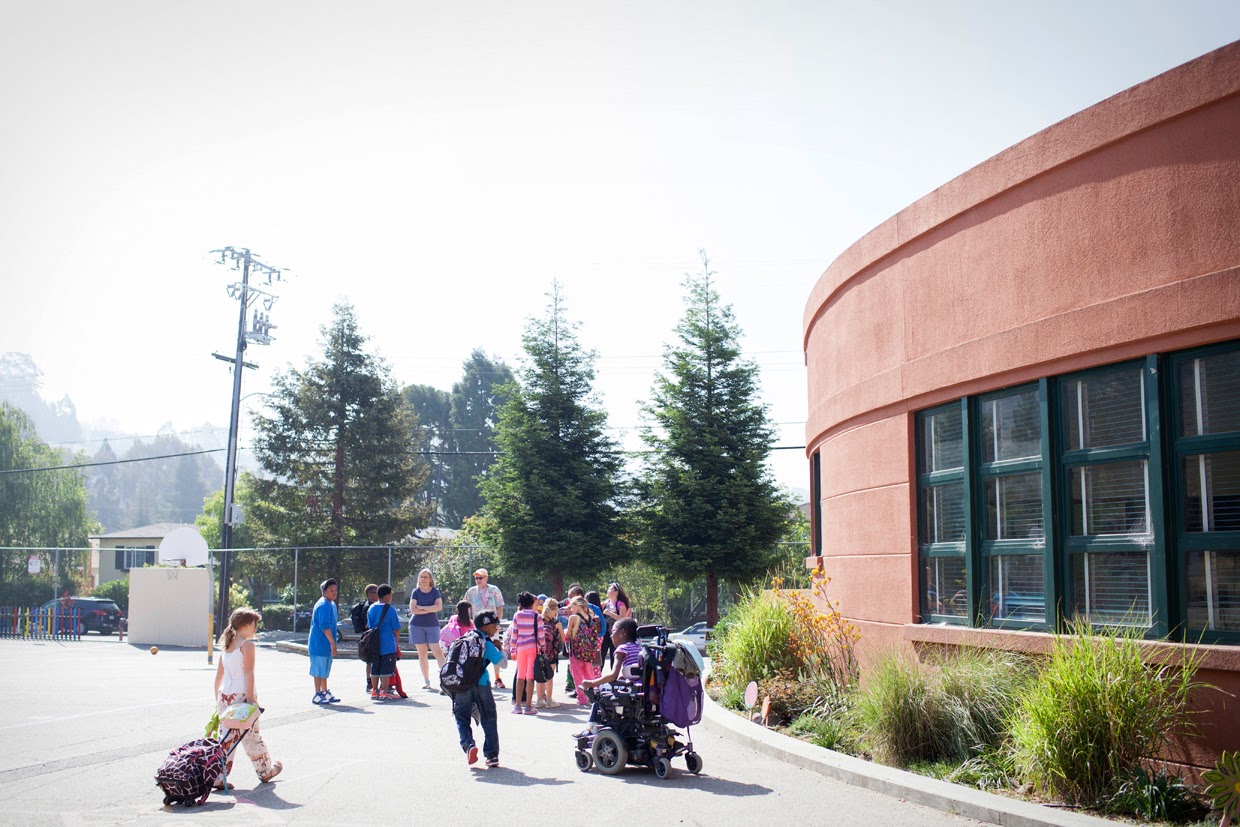
A quiet crisis is unfolding in California's public schools: while overall student enrollment continues its downward trend, the number of students requiring special education services is steadily rising. This surge, impacting districts from rural Kern County to urban centers, is straining budgets and forcing educators to rethink resource allocation, even as the state proposes new funding initiatives.
The Unseen Tide: Rising Numbers, Declining Enrollment
In the McFarland Unified School District, a small district in rural Kern County, Superintendent Aaron Resendez faced an unexpected challenge at the start of the academic year. Despite a general decline in student enrollment, the district saw a significant uptick in students qualifying for special education. This unexpected influx required immediate action, including scrambling to hire additional teachers, paraprofessionals, and secure accessible classroom spaces for students with moderate to severe needs.
McFarland Unified's experience is not an isolated incident. The district, with 3,282 students, has seen its special education population grow from 248 students in 2014-15 to 449 students in 2024-25, even as overall enrollment dipped by nearly 200 students during the same period. The district is proactively addressing this by constructing new, accessible transitional kindergarten classrooms equipped for young students with disabilities, acknowledging a statewide trend of younger students requiring specialized education services.
A Statewide Phenomenon: Beyond Rural Pockets
This trend is mirrored across California. Even as the state's total K-12 enrollment has decreased by over 380,000 students, the number of students qualifying for special education services has surged by more than 70,000 in recent years. This phenomenon is not unique to California; nationally, approximately 15% of public school students now qualify for special education, a figure that has been on an upward trajectory.
Educators and researchers point to a confluence of factors driving this increase. Improved identification methods, coupled with a reduction in the stigma associated with disabilities, means more students are being accurately diagnosed and supported. However, the lingering effects of pandemic disruptions, which may have delayed crucial early interventions, and a notable rise in behavioral and mental health challenges among students are also significant contributors.
The Funding Conundrum: Meeting Needs with Finite Resources
Serving a growing population of students with disabilities necessitates increased staffing, specialized training, and the acquisition of adaptive equipment. Federal laws, such as the Individuals with Disabilities Education Act (IDEA), mandate that schools provide these essential supports. However, the funding allocated by federal and state sources often falls short of covering the escalating costs associated with these growing demands.
This funding gap places a considerable strain on school district general funds, which are already impacted by declining enrollment. The rising costs of special education services have become a contentious issue in labor negotiations across the state, affecting districts like West Contra Costa County Unified and San Diego Unified. The reality is that without adequate funding, districts may face difficult choices, potentially leading to larger class sizes or the reduction of other vital educational programs and extracurricular activities.
Governor's Proposal: Addressing Inequities and Increasing Investment
In response to these mounting pressures, Governor Gavin Newsom's recent budget proposal includes a significant investment in special education. The proposal acknowledges the long-standing problem of funding inequities between different regions, known as Special Education Local Plan Areas (SELPAs). To address this, the governor is proposing an increase of $509 million in ongoing funding specifically for students with disabilities.
Veronica Coates, chair for SELPA Administrators of California and assistant superintendent for Tehama County SELPA, views the governor's proposal as a crucial first step. She notes that such funding could help alleviate deficits, like the $1 million shortfall her agency was facing, and begin to rectify historical funding disparities that have plagued SELPAs since the 1990s. For instance, in 2019-20, funding per average daily attendance varied dramatically between SELPAs, highlighting the need for equalization.
While the proposed funding aims to address regional imbalances, administrators emphasize that the challenge extends beyond these disparities. The federal commitment to funding special education, originally intended to cover 40% of the average per-pupil expenditure, has consistently fallen far below that target, currently hovering below 13%. This persistent underfunding means that a substantial portion of special education costs—estimated at 65% to 70%—is absorbed by school districts' general funds.
Unpacking the Rise: Better Identification and Evolving Needs
The increase in students requiring special education services is attributed to several interconnected factors. Anthony Segura, a preschool special education teacher in San Jacinto Unified School District, has witnessed firsthand the impact of improved identification. He explains that current practices, including parent questionnaires and more nuanced diagnostic approaches, allow educators to identify students with conditions like autism and ADHD more effectively than in the past.
Aubyn Stahmer, director of the UC Davis MIND Institute, concurs, noting that advocacy efforts have successfully reduced the stigma surrounding various disabilities. This has fostered a greater willingness among families to seek and accept diagnoses, leading to more accurate identification. She also points out that historical misdiagnoses, particularly for Black students with autism who were sometimes misidentified with behavioral disorders, are being addressed.
However, the COVID-19 pandemic has introduced new complexities. Stahmer highlights that disruptions in routine medical care may have led to missed opportunities for early intervention in children up to age three, a critical period for identifying developmental delays and disabilities. These early interventions, encompassing speech therapy, occupational therapy, and social-emotional skill development, are vital for a child's long-term academic success.
Segura adds that some students are entering school with weaker social skills, a potential consequence of reduced socialization during pandemic-related lockdowns. This underscores the evolving nature of student needs, with an increasing number of students presenting with trauma-related and social-emotional challenges. Anthony Rebelo, SELPA director for Trinity County Office of Education, observes a significant rise in students with these complex needs, particularly in rural areas grappling with high rates of poverty, foster youth, and homelessness, which often require extensive support services like counseling and social work.
The Path Forward: Sustained Support and Strategic Investment
The growing demand for special education services, coupled with persistent funding shortfalls, presents a significant challenge for California's education system. While the governor's proposed funding increase is a welcome development, it represents a starting point rather than a complete solution. The ongoing dialogue between educators, policymakers, and disability advocates will be crucial in ensuring that all students, regardless of their needs or geographic location, receive the comprehensive services they deserve.
The focus must remain on sustainable funding models that not only address immediate needs but also invest in early intervention, specialized staff development, and the infrastructure required to support an increasingly diverse student population. As districts continue to navigate these complex issues, the commitment to providing equitable and effective education for students with disabilities remains paramount.





 Explore AI Teaching Tools
Comments (0)
Please login to comment
No comments yet
Be the first to comment on this article