
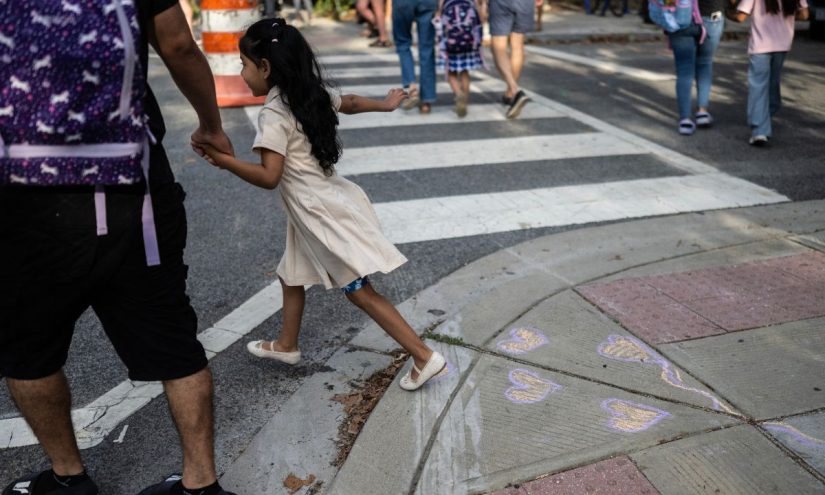
The chilling reality of immigration enforcement is now directly impacting school budgets and the very presence of students in classrooms, creating a dual crisis for districts nationwide. As families are separated by detention and deportation, schools face declining enrollment and the profound emotional and educational fallout for children left behind. This isn't just a humanitarian issue; it's an educational and financial emergency unfolding in real-time.
Empty Desks Mean Empty Coffers for Schools
The financial backbone of many school districts relies heavily on per-pupil funding, directly tied to student attendance and enrollment numbers. When students disappear from classrooms due to parental detention or deportation, or because families flee altogether, the financial repercussions are swift and severe. This creates a tangible loss that impacts everything from staffing to essential resources.
In California, state funding is calculated based on the average daily attendance of students. A dip in those numbers translates directly into reduced funding for schools. This model means that even a small percentage of absent students can lead to significant budgetary shortfalls, forcing districts to make difficult choices.
Similarly, Minnesota districts face a critical threshold: if a student is absent for 15 consecutive days, they can be dropped from the enrollment rolls. This strict policy, unless an emergency exemption is granted, can have devastating financial consequences. One district outside Minneapolis is already bracing for a $1 million hit to its $51 million budget, a stark illustration of the problem.
"I remember walking in the hallways going, ‘Holy God, where are all the kids?’ It was eerie."
This sentiment, shared by an employee in a Minnesota district, captures the unsettling atmosphere that pervades schools grappling with declining student populations. The silence in once-bustling hallways is a stark reminder of the human and financial costs of these policies.
The Unseen Impact on Students: When Parents Vanish
Beyond the financial strain on districts, the emotional and educational toll on students whose parents are detained or deported is immeasurable. For thousands of U.S. citizen children, the abrupt removal of a parent can trigger a cascade of instability, often leading to removal from their homes and disruption of their schooling.
In many cases, these children, some with new passports in hand, are sent to their parents' birth country, a place they may have never known. This sudden displacement can be disorienting and frightening, severing ties to their familiar environment and support systems. The educational continuity is completely broken.
For those who remain in the U.S., placement with family or friends is not always a guaranteed outcome. If the adults taking them in have precarious immigration status themselves, they may be too fearful of drawing attention to themselves to provide stable care. This leaves many children in a state of profound uncertainty.
Navigating the Foster Care System and Beyond
A deeply concerning number of these children end up in the foster care system, adding another layer of complexity and potential trauma to an already difficult situation. The system, while designed to protect children, can be overwhelming and may not always be equipped to handle the specific needs of children displaced by immigration enforcement.
Worse still, some children are left entirely to their own devices. Advocates report instances of 15- and 16-year-olds living alone for weeks, with no knowledge of their parents' whereabouts or well-being. The lack of oversight from immigration enforcement agencies in ensuring the safety of these U.S. citizen children is a critical failure.
The absence of parents has a direct impact on a student's ability to engage with their education. Lack of consistent supervision, emotional distress, and housing instability all create significant barriers to learning. This is where educators and school staff often step in to provide crucial support, but their resources are stretched thin.
Strategies for Resilience: Supporting Schools and Students
In the face of these challenges, school districts and educators are seeking innovative solutions to mitigate the impact of declining enrollment and support affected students. While the root causes lie in immigration policy, the educational community is finding ways to adapt and advocate.
Leveraging Technology for Engagement and Support
Technology can play a vital role in keeping students engaged, even when their home lives are in turmoil. Tools that foster connection and provide academic support can be invaluable.
- Interactive Learning Platforms: Utilizing platforms that offer engaging content and real-time feedback can help students catch up and stay motivated. Tools like MentofyCove classroom games can make learning fun and accessible, even for students who are experiencing significant disruption.
- AI-Powered Lesson Planning: For educators, streamlining lesson planning is crucial. Mentofy AI teaching tools can help create differentiated lessons that cater to students with varying needs and learning gaps.
- Data-Driven Insights: Understanding student attendance patterns and identifying those at risk is paramount. School-wide systems that track engagement can flag students who may need additional support, allowing for early intervention.
Fostering Community and Advocacy
Building strong partnerships within the community and advocating for policy changes are also essential steps. Schools cannot bear this burden alone.
A 2024 survey of 1,200 K–12 educators revealed that 78% believe immigration enforcement actions have negatively impacted student attendance and engagement in their schools.
Educators are on the front lines, witnessing the direct impact of these policies. Sharing these experiences with policymakers and the public is crucial for driving change. Collaborating with community organizations can also provide much-needed resources and support for families navigating complex legal and social challenges.
Smart Grouping and Parent Communication
When students are present, ensuring they receive the best possible instruction is key. Effective student grouping can help address learning gaps and provide targeted support.
- AI-Assisted Grouping: MentofyGroups offers smart student grouping features, allowing teachers to create dynamic groups based on various criteria, facilitating differentiated instruction and peer support. This is particularly helpful when addressing the diverse needs of students who may have experienced trauma or educational disruption.
- Streamlined Communication: While direct communication with all parents may be challenging in some circumstances, maintaining open lines of communication with the parents or guardians who are present is vital. Utilizing digital tools for announcements and updates can help bridge gaps where in-person meetings are difficult.
The current situation presents a complex challenge for school districts, demanding both immediate action and long-term strategic planning. The financial stability of schools and the well-being of students are inextricably linked to immigration policies. As educators, we must continue to advocate for policies that prioritize the safety and educational continuity of all students, ensuring that empty desks do not become a permanent fixture in our schools.





 Explore AI Teaching Tools
Comments (0)
Please login to comment
No comments yet
Be the first to comment on this article