
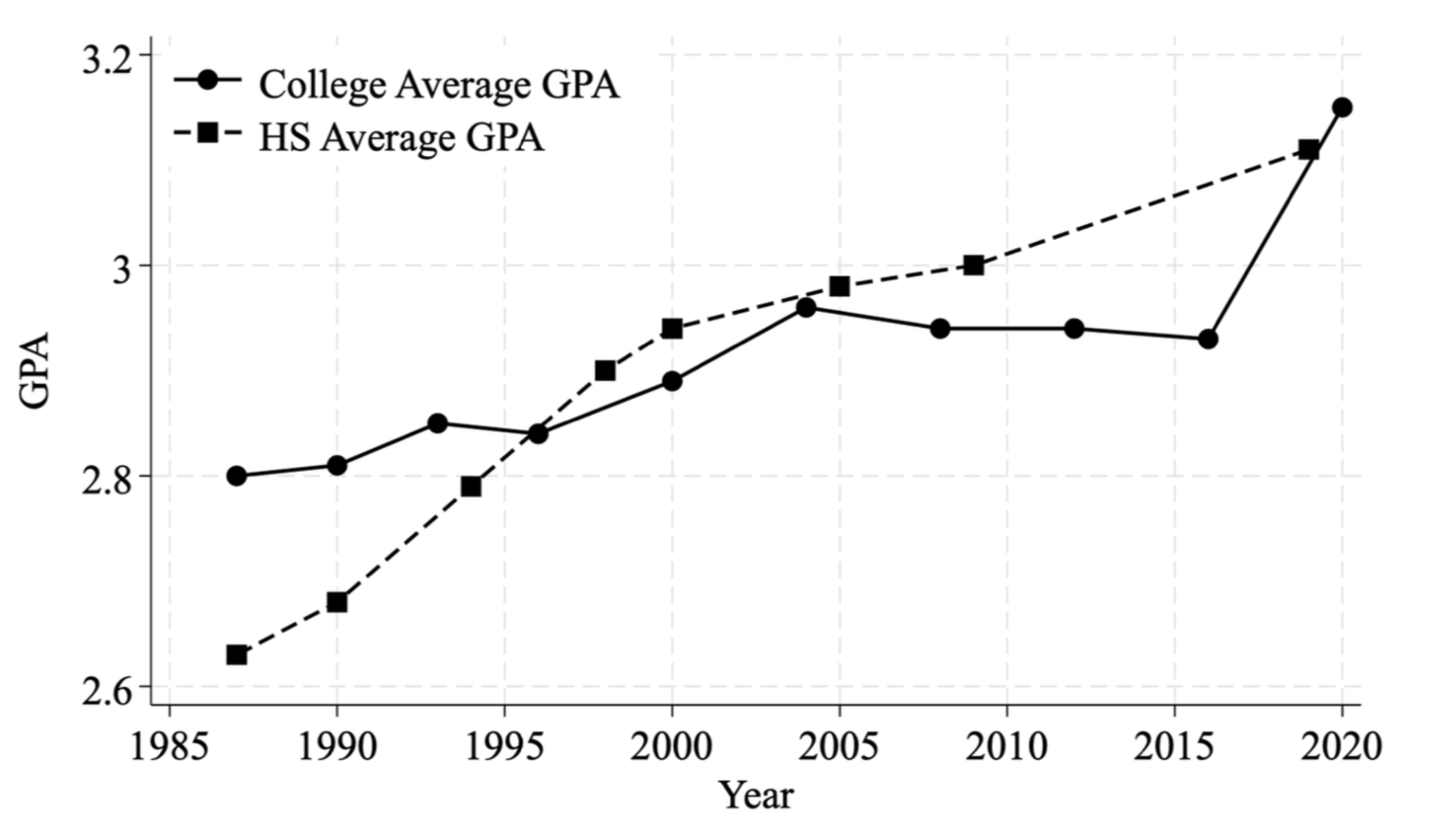
The astonishing reality is that a significant portion of students are graduating high school with inflated grades that don't reflect their actual understanding, a phenomenon that carries tangible, long-term consequences for their future earnings. This subtle yet pervasive issue, often overlooked in the pursuit of student happiness and administrative satisfaction, is now being meticulously quantified, forcing educators to confront the true cost of "easy A's."
The Two Faces of Grade Inflation: A Deeper Dive
Grade inflation isn't a monolithic problem; research reveals it operates through two distinct mechanisms, each with its own set of implications for students. Understanding these nuances is crucial for educators aiming to provide accurate assessments and meaningful feedback.
Passing-Grade Inflation: The Safety Net with a Catch
One form, termed "passing-grade inflation," occurs when the threshold for a passing grade (like a D) is set remarkably low. This reduces the immediate risk of students failing a course, which can be a powerful incentive for them to remain in school and pursue graduation.
Crucially, this type of inflation doesn't appear to directly hinder academic learning. The primary benefit is keeping students on track toward their diplomas, a positive outcome in itself. It’s the second type of inflation that casts a longer shadow.
Mean Grade Inflation: Where Learning Takes a Hit
The more concerning variant is "mean grade inflation," where teachers inflate the average grade awarded irrespective of objective performance measures, such as standardized tests. This practice has immediate and detrimental effects on student learning and future prospects.
"Students who were taught by a teacher with lower grading standards had observably lower test scores in the following year than their peers whose teachers were tougher graders."
This means that even if students receive a high grade, their actual grasp of the material might be weaker than their peers who navigated more rigorous grading standards. This gap in understanding can compound over time, affecting their ability to succeed in subsequent courses and beyond.
The Ripple Effect: From Classroom to Career
The consequences of mean grade inflation extend far beyond the classroom, impacting students' post-secondary education choices and their eventual earning potential. The data paints a stark picture of these long-term repercussions.
Research indicates that students whose teachers employ more lenient grading practices are less likely to pursue higher education. This reduced engagement with post-secondary opportunities can limit their career pathways and earning capacity.
Furthermore, studies show a correlation between inflated grades and reduced employment rates in the years following high school graduation. While individual differences may seem small, the collective impact on a generation's economic well-being is significant.
A typical high school teacher reducing standards for 90 to 100 students reduced their collective lifetime earnings by $213,872 per year of teaching.
This staggering statistic underscores the profound economic implications of grading practices. It suggests that educators have a direct hand in shaping not only academic futures but also the financial stability of their students.
Disparities in Inflation: Who is Most Affected?
While grade inflation can affect all students, evidence suggests it disproportionately impacts certain demographic groups, particularly students of color and those with disabilities. This exacerbates existing educational inequities.
Data from Virginia, for instance, reveals that white students are less likely than non-white students or students with disabilities to receive an 'A' in a course while simultaneously failing the state exam in the same subject. This indicates that grades are a less reliable indicator of achievement for these historically underserved populations.
Research also points to the fact that lenient grading standards can be most harmful to students who are already struggling academically. When the feedback loop of assessment is distorted, those who need the most accurate guidance are the most likely to be misled.
Reclaiming the Value of Grades: Actionable Insights for Educators
The goal for educators and policymakers should not be to simply implement harsher grading. Instead, the focus must shift towards ensuring that grades accurately reflect student learning and provide meaningful feedback. This requires a thoughtful re-evaluation of current practices.
Here are key strategies educators can consider to combat grade inflation and enhance the integrity of their assessments:
- Establish Clear and Objective Standards: Define grading criteria explicitly and communicate them clearly to students. This ensures transparency and reduces subjective interpretation.
- Utilize Diverse Assessment Methods: Move beyond traditional tests and quizzes. Incorporate projects, presentations, portfolios, and performance-based assessments that offer a more holistic view of student understanding. Consider using tools like Mentofy AI teaching tools for creating varied exam questions.
- Emphasize Mastery and Growth: Focus on students' progress and understanding of concepts rather than solely on a final grade. Offer opportunities for revision and re-assessment to encourage learning.
- Provide Actionable Feedback: When grading, offer specific feedback that helps students identify areas for improvement. This feedback should be constructive and guide future learning.
- Leverage Technology for Assessment: Explore platforms that can help streamline grading and provide insights into student performance. Tools that offer AI grading capabilities can save time and ensure consistency.
- Collaborate with Colleagues: Discuss grading philosophies and practices with other educators to foster a shared understanding and promote consistency across departments or schools.
- Engage Students in the Learning Process: Use interactive methods to keep students engaged and motivated. Tools like MentofyCove classroom games can make learning fun and reinforce concepts.
By implementing these strategies, educators can work towards restoring the signaling value of grades. This ensures that grades serve their intended purpose: providing an honest and accurate reflection of what students know and can do, preparing them more effectively for the challenges and opportunities that lie ahead.
The integrity of our educational system hinges on the accuracy and reliability of its assessments. As we navigate the complexities of modern education, a commitment to honest grading is not just about assigning numbers; it's about empowering students with a true understanding of their capabilities and setting them on a path toward genuine success, both academically and professionally.







 Explore AI Teaching Tools
Comments (0)
Please login to comment
No comments yet
Be the first to comment on this article