
A recent survey reveals a striking disconnect: while standardized tests often dominate public discourse about educational success, the educators on the front lines are prioritizing something far more human. Teachers are overwhelmingly more likely to gauge student progress through direct interaction and observation than through formal assessments, a finding that has profound implications for how we define and measure achievement in our schools.
Teachers See What They Hear and Observe as the True Measure of Student Growth
When it comes to understanding how well their students are truly doing, teachers overwhelmingly lean on their daily interactions and keen observations. A significant 58% of educators rank communication with their students as the most crucial metric, closely followed by observing student behavior at 52%. This highlights a deep-seated belief in the power of authentic connection and real-time feedback.
This emphasis on personal connection stands in stark contrast to the weight often placed on traditional assessments. Only 44% of teachers cited grades on tests, quizzes, and homework as primary indicators, with standardized tests languishing at a mere 17%. This data paints a clear picture: teachers value the nuanced understanding gained through direct engagement far more than the often-limited snapshot provided by high-stakes testing.
"The vast majority of teachers are looking beyond the bubble sheets and the multiple-choice questions. They see the whole child, and their assessment reflects that holistic view."
This perspective is particularly relevant when considering the development of essential "durable skills" like adaptability and teamwork. Teachers believe that student reflections and completed projects are the strongest evidence of these crucial competencies. Parents, however, show a greater inclination to rely on standardized test scores, creating a potential divergence in how success is perceived across different stakeholders in the school community.
Beyond the Test: What Truly Signifies Student Success for Educators
The EdChoice survey, conducted with over 1,000 K-12 teachers, underscores a fundamental truth about the teaching profession: educators are deeply invested in the multifaceted development of their students. Their assessment of success extends far beyond academic performance, encompassing social-emotional growth and the cultivation of critical life skills.
For teachers, understanding a student's journey involves listening to their voice and witnessing their engagement firsthand. This qualitative data, gathered through daily conversations and classroom observations, provides a richer, more accurate portrait of a student's learning and well-being than any single test score can offer. It's about understanding the process, not just the outcome.
The Power of Authentic Assessment
The findings suggest that teachers are actively seeking out and valuing forms of assessment that reflect genuine understanding and application of knowledge. This includes:
- Direct Communication: Engaging in conversations with students to gauge their comprehension, identify areas of confusion, and understand their learning process.
- Behavioral Observation: Noticing how students interact with peers, approach challenges, and demonstrate engagement in classroom activities.
- Project-Based Learning: Evaluating the depth of understanding and skill application demonstrated through hands-on projects and creative endeavors.
- Student Reflections: Encouraging students to articulate their learning, challenges, and growth, fostering self-awareness and metacognition.
These methods allow teachers to build a comprehensive picture of each student, recognizing that learning is not a linear or uniform process. This approach is crucial for identifying individual needs and providing tailored support to help every student thrive in school.
Navigating the Evolving Landscape of Education Technology
While teachers are prioritizing human-centered assessment, the integration of technology in schools continues to be a significant topic of discussion. The survey reveals a nuanced view on digital tools, with strong support for online learning platforms and a more cautious stance on mobile devices and emerging AI technologies.
The majority of teachers (nearly 90%) express support for online learning platforms, recognizing their utility in streamlining instruction and providing access to resources. This reflects a growing comfort and reliance on digital tools that enhance the teaching and learning experience. Tools like Mentofy AI teaching tools, offering features such as AI lesson plan generation and interactive boards, are becoming increasingly valuable.
"About a third of teachers report frequent behavioral and technological issues interrupting their class."
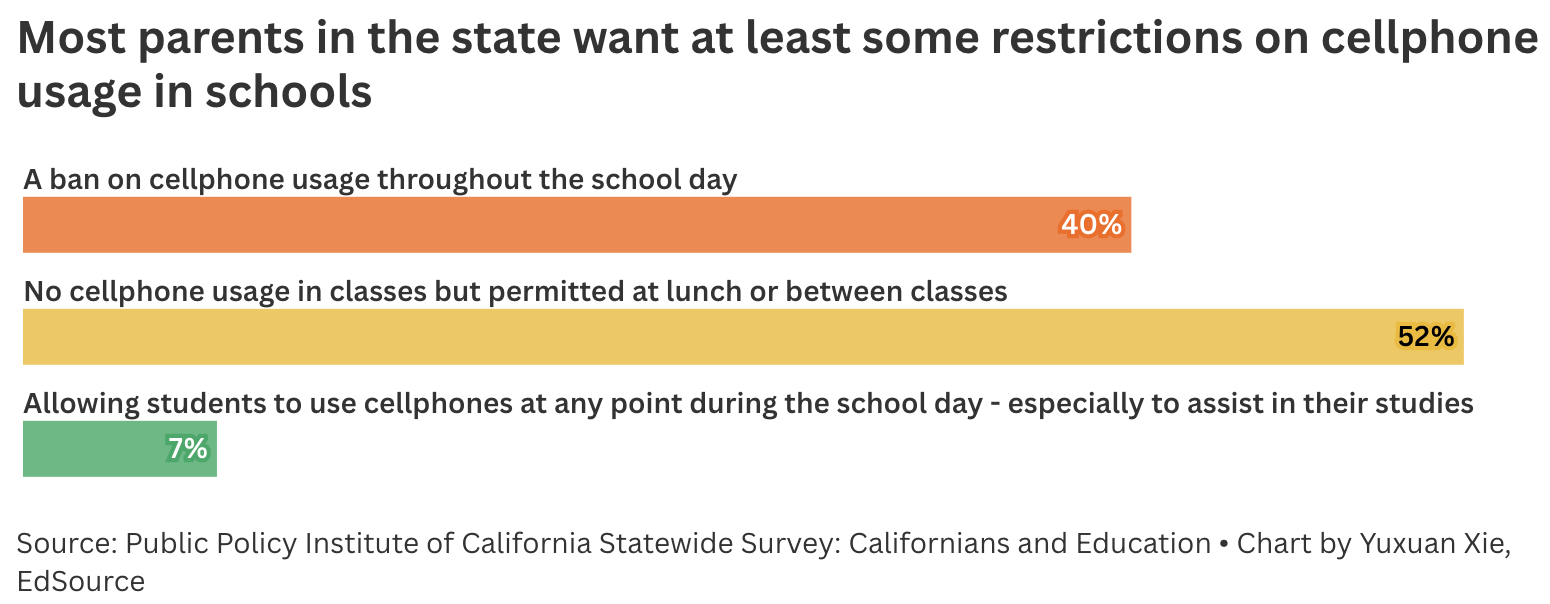
However, a significant portion of educators (three-quarters) oppose the use of cell phones in classrooms, citing potential distractions. The advent of artificial intelligence presents an even more complex challenge, with over half of teachers expressing concern about its impact on learning. This sentiment is particularly pronounced among those in public schools, who are more likely to report their students spending excessive time on devices.
Teacher Perspectives on AI in Education
The rapid advancement of AI tools has sparked considerable debate within the education community. While teachers acknowledge the potential benefits, their primary concern lies in ensuring that technology serves as a tool for learning rather than a shortcut.
- Cautious Adoption: Many teachers are hesitant to fully embrace AI tools, with over 40% expressing extreme or very serious concerns about their effects on learning this school year.
- Focus on Critical Thinking: Despite reservations, a vast majority (72%) believe it is essential to equip students with the critical thinking skills needed to use AI responsibly.
- Support for Responsible Use: Only 38% of teachers currently support the use of AI in the classroom, indicating a need for further professional development and clear guidelines.
This data underscores the importance of providing teachers with the necessary training and resources to navigate the ethical and pedagogical implications of AI. Platforms that offer features like AI grading and advanced lesson planning can be instrumental in this transition, provided they are implemented thoughtfully and with teacher input.
The Call for Enhanced Teacher Support and Professional Development
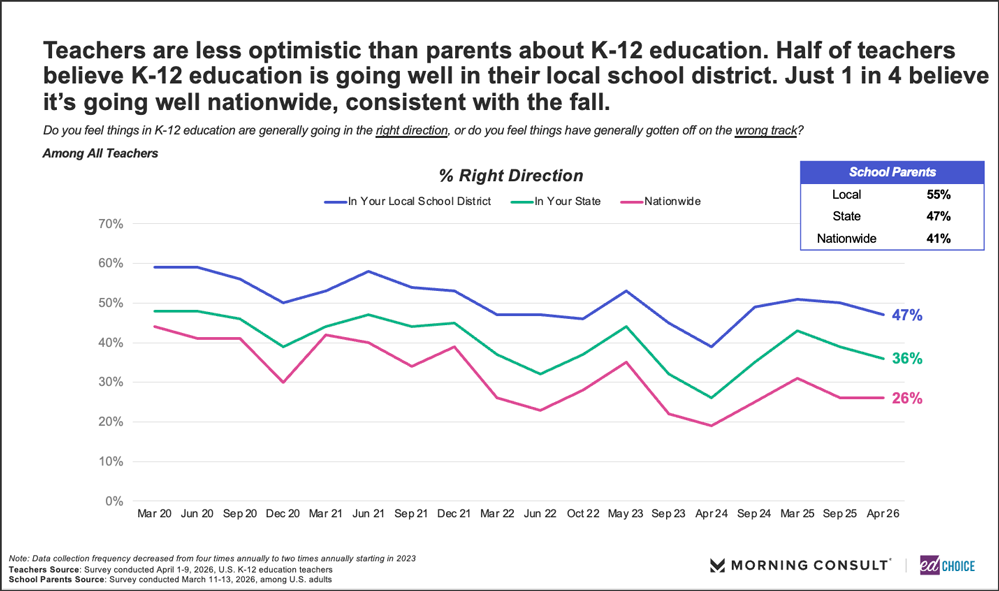
The survey also sheds light on the challenges teachers face and their outlook on the profession. While many report a sense of purpose and hope within their own classrooms, broader concerns about the state of K-12 education persist. This highlights a critical need for increased support and resources for educators.
The overwhelming responsibilities placed on teachers—from managing student mental health to adapting to new technologies—can lead to feelings of overwhelm. This is compounded by the fact that only 22% of teachers would recommend the profession to a friend or family member, a statistic that should be a wake-up call for policymakers and school leaders.
Fostering a Positive and Sustainable Teaching Environment
To address these concerns and ensure the long-term health of the teaching profession, several key areas require attention:
- Professional Development: Providing ongoing, high-quality professional development opportunities that equip teachers with the skills to navigate new technologies, address student well-being, and implement effective pedagogical strategies. This could include training on using tools like Mentofy AI teaching tools for more efficient lesson planning and assessment.
- Reduced Workload: Addressing the increasing demands placed on teachers by re-evaluating responsibilities and ensuring adequate staffing and support.
- Collaborative Environments: Fostering a school culture that values teacher input, encourages collaboration, and provides avenues for professional growth and mentorship.
- Recognition and Appreciation: Implementing meaningful strategies to recognize and celebrate the invaluable contributions of teachers to our schools and communities.
The survey also touched upon school choice initiatives, with teachers showing significant support for Education Savings Accounts (ESAs). This indicates a desire for greater flexibility and tailored educational experiences for students. The growing popularity of ESAs suggests a shift in how educational resources are viewed and allocated, aiming to provide more individualized pathways for student success.
Ultimately, the insights from this survey emphasize that the most effective way to understand and foster student success lies in valuing the professional judgment and keen observations of teachers. By prioritizing authentic assessment, providing robust support, and embracing innovative tools that genuinely assist educators, we can create learning environments where every student has the opportunity to flourish.




 Explore AI Teaching Tools
Comments (0)
Please login to comment
No comments yet
Be the first to comment on this article