
Navigating School Safety: Balancing Security and Student Well-being
The safety of students within educational environments is a paramount concern for parents, educators, and communities alike.Recent discussions and actions within large school districts highlight a complex debate: how best to ensure a secure learning atmosphere while fostering a positive and equitable experience for all students.
This article delves into the multifaceted aspects of school safety, exploring the evolving strategies and the critical considerations that shape these decisions, particularly in the context of law enforcement presence.
The Evolving Landscape of School Security Measures
Educational institutions are continuously re-evaluating their approaches to safety, especially in light of increasing concerns.The decision to implement or adjust the presence of police within school districts is often a response to specific incidents and broader trends in student behavior and community safety.
These adjustments aim to address immediate needs while also sparking deeper conversations about the most effective long-term solutions for student well-being and security.
Data-Driven Decisions for Enhanced Safety
Research indicates a rise in various incidents within schools, including those involving mental health crises, physical altercations, threats, and the presence of prohibited substances or weapons.In response, some districts have utilized safety data to inform their decisions about where and when to deploy resources.
This data often includes statistics on reported incidents, which can help identify specific schools or areas that may require additional attention.
The goal is to create a more responsive and targeted approach to safety, ensuring that interventions are aligned with the identified needs of the school community.
Temporary Measures and Their Impact
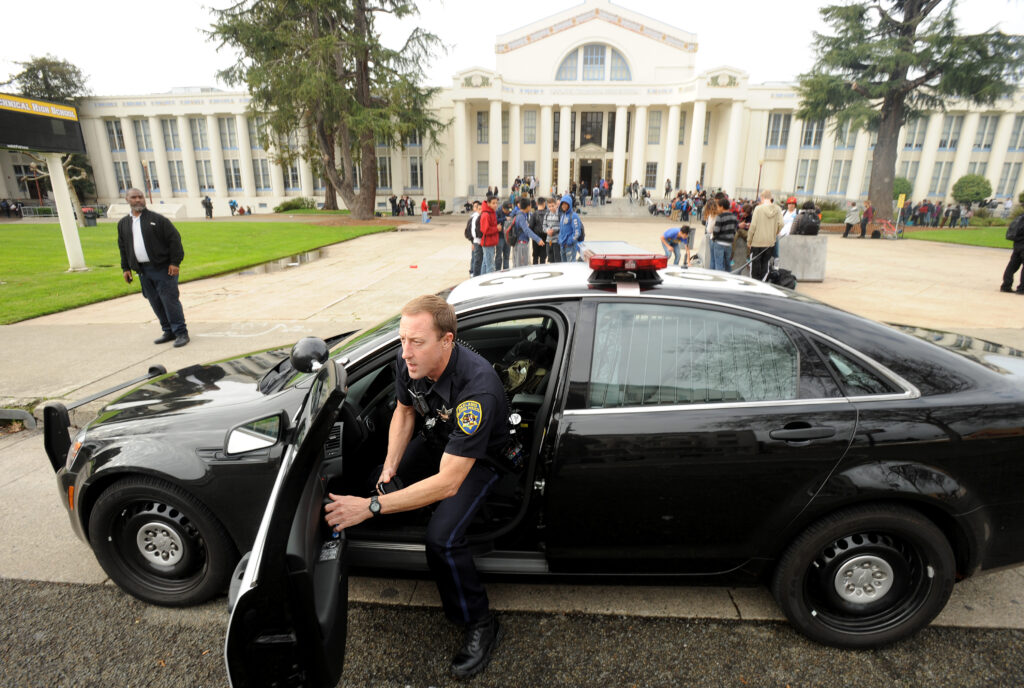
In some instances, school districts have implemented temporary measures, such as the temporary reinstatement of police officers to specific campuses.These decisions are frequently made as a direct response to heightened activity or specific events that have occurred in the vicinity of the school.
The intention behind such measures is to provide an immediate sense of security and to deter further incidents.
However, the effectiveness and long-term implications of these temporary solutions are often subjects of ongoing discussion and evaluation.
Community Perspectives on School Safety
The conversation around school safety is not confined to administrative offices; it actively involves parents, community members, and student advocacy groups.Diverse viewpoints shape the ongoing dialogue, with some advocating for a more visible law enforcement presence and others emphasizing alternative approaches.
Understanding these varied perspectives is crucial for developing comprehensive and inclusive safety strategies.
Parental Concerns and Desires for Security
Many parents express deep concern about the safety of their children at school.They often look to the district for clear and transparent plans that address their anxieties.
For some, this translates into a desire for increased security measures, including a more consistent presence of law enforcement officers on campus.
The aim is to ensure that schools are not only safe from external threats but also from internal issues that could disrupt the learning environment and endanger students.
Student Advocacy and Alternative Safety Models
Conversely, numerous student advocacy groups and their allies raise important questions about the impact of police presence on students, particularly students of color.Studies and reports suggest that a significant police presence can lead to disproportionate disciplinary actions and create an environment of fear and anxiety for some students.
These groups often advocate for community-based safety initiatives, restorative justice practices, and increased access to mental health support as more effective means of addressing the root causes of violence and conflict.
They believe that investing in these areas can foster a more positive and equitable school climate.
The Role of Law Enforcement in Educational Settings
The debate over the role of police in schools is a complex one, with differing views on their effectiveness and impact.While some see police as a necessary component of a safe school environment, others argue that their presence can be detrimental to student well-being and equity.
Historical Context and Shifting Policies
Historically, the presence of law enforcement in schools has evolved.In recent years, following significant societal events and increased awareness of issues surrounding policing, many school districts have re-examined their policies.
Some districts have moved away from having officers stationed on individual campuses, opting instead for a patrol model where officers are available to respond to calls for service.
This shift reflects a broader societal conversation about the appropriate role of law enforcement in various community settings.
The Impact of Police Presence on Students
Research and anecdotal evidence suggest that the presence of police officers in schools can have varied effects on students.For some, it may provide a sense of security.
For others, particularly those from marginalized communities, it can evoke feelings of apprehension and fear, stemming from concerns about profiling and discriminatory practices.
This disparity in experience underscores the need for careful consideration of how law enforcement interacts with students and the potential consequences of such interactions.
Exploring Comprehensive Safety Strategies
Effective school safety requires a multifaceted approach that goes beyond simply increasing the number of security personnel.It involves a holistic strategy that addresses the diverse needs of the student population and fosters a positive school climate.
Investing in Mental Health and Support Services
Studies consistently show a strong correlation between mental well-being and student behavior.Therefore, investing in robust mental health services, including counselors, psychologists, and social workers, is a critical component of any comprehensive safety plan.
Providing students with accessible support systems can help them navigate challenges, manage emotions, and reduce the likelihood of disruptive or violent behavior.
Implementing Restorative Justice Practices
Restorative justice offers an alternative approach to traditional disciplinary methods.Instead of focusing solely on punishment, these practices emphasize repairing harm, building relationships, and addressing the underlying causes of conflict.
By fostering understanding and accountability, restorative justice can help create a more positive and supportive school environment, reducing the need for punitive interventions.
Enhancing Community-Based Safety Initiatives
Community involvement is vital for ensuring school safety.Programs like "Safe Passage," which involve community members monitoring routes to and from school, can help create a safer environment for students.
These initiatives not only enhance physical security but also build stronger connections between schools and the communities they serve.
Empowering community members to play an active role in student safety can foster a sense of shared responsibility.
The Importance of Data and Continuous Evaluation
To ensure that safety strategies are effective, it is essential to rely on data and to continuously evaluate the impact of implemented measures.This includes tracking incident reports, student well-being indicators, and the outcomes of various safety interventions.
Analyzing Incident Data for Targeted Interventions
Collecting and analyzing data on incidents such as fights, threats, and weapon-related occurrences can provide valuable insights into the specific challenges faced by a school district.This information can then be used to develop targeted interventions and allocate resources more effectively.
Understanding the patterns and trends of incidents is key to proactive safety planning.
Assessing the Effectiveness of Safety Programs
Regularly assessing the effectiveness of all safety programs, including those involving law enforcement and community-based initiatives, is crucial.This evaluation should consider not only the reduction in incidents but also the impact on the overall school climate and student experience.
Feedback from students, parents, and staff should be a central part of this assessment process.
Conclusion
The pursuit of school safety is a continuous journey that requires thoughtful consideration, open dialogue, and a commitment to the well-being of every student.While the presence of police in schools remains a point of contention, the broader conversation is shifting towards a more holistic understanding of safety.
By investing in mental health support, embracing restorative justice, strengthening community partnerships, and utilizing data for informed decision-making, school districts can create environments that are not only secure but also nurturing and equitable for all students.
The ultimate goal is to ensure that every school is a place where students feel safe, supported, and empowered to learn and thrive.







 Explore AI Teaching Tools
Comments (0)
Please login to comment
No comments yet
Be the first to comment on this article