

AI Isn't the Villain: The Real Threat to Critical Thinking Lurks in Our Classrooms
A wave of alarm is sweeping through education, with many pointing fingers at artificial intelligence as the culprit behind declining student abilities. Surveys reveal widespread faculty concern that AI tools will lead to overreliance and diminish critical thinking skills. This narrative suggests a dire future, with some educators advocating for a return to pen and paper, mirroring restrictions on digital devices in K–12 settings.
The fear is palpable, with some reports warning of cognitive decline and impairment, drawing parallels to the aging brain. Concerns are raised about diminished critical inquiry, increased vulnerability to manipulation, and a potential internalization of shallow or biased perspectives. This widespread anxiety paints a picture of AI as an existential threat to intellectual development.
The Pre-AI Erosion of Essential Skills
However, this "Chicken Little" hysteria overlooks a crucial reality: the foundational weaknesses in our education system predated AI by decades. Long before terms like GPT or LLM entered the lexicon, experts were already lamenting students' struggles with academic competence.
National assessments have consistently shown that only a small percentage of U.S. students achieve proficiency in reading and writing. International comparisons often place American students in the middle of the pack, a trend that has persisted for years. This suggests a systemic issue, not a sudden AI-induced crisis.
College Campuses Grapple with Academic Stagnation
Even at the college level, prominent scholars have described students as "academically adrift," noting minimal learning gains across their four years. This assessment predates widespread AI adoption and points to a deeper challenge in fostering genuine intellectual growth.
The data suggests that AI has not eroded critical thinking; rather, it has starkly illuminated how inadequately these skills have been taught. There was no golden age of critical thinking that AI has now shattered. Instead, the current moment reveals pre-existing vulnerabilities.
The Unmet Promise of Personalized Learning
The emergence of AI represents a profound shift, a "Copernican revolution" for education. It offers the long-sought potential for truly personalized learning experiences, a vision that educational theorists have explored for decades.
Concepts like ubiquitous learning, situated learning, and distributed cognition have been theorized but remained largely aspirational due to institutional constraints. AI now provides the tools to translate these theories into practice, offering a path to deeper, more individualized learning.
AI as a Catalyst, Not a Crutch
The challenge lies not in banning AI, but in embracing its transformative potential. Instead of fearing disruption, educators must learn to navigate it. This involves re-envisioning pedagogical approaches to leverage AI as a powerful educational ally.
For instance, AI can function as a daily tutor, a Socratic conversation partner, and a writing mentor. By guiding students on ethical AI use and effective prompting, educators can help them engage thoughtfully with complex societal issues.
Reimagining the Classroom in the Age of AI
The shift requires a fundamental reorientation of teaching methodologies. The goal is to move beyond rote memorization and towards fostering genuine understanding and critical inquiry. This means teaching students *how* to think, not just *what* to think.
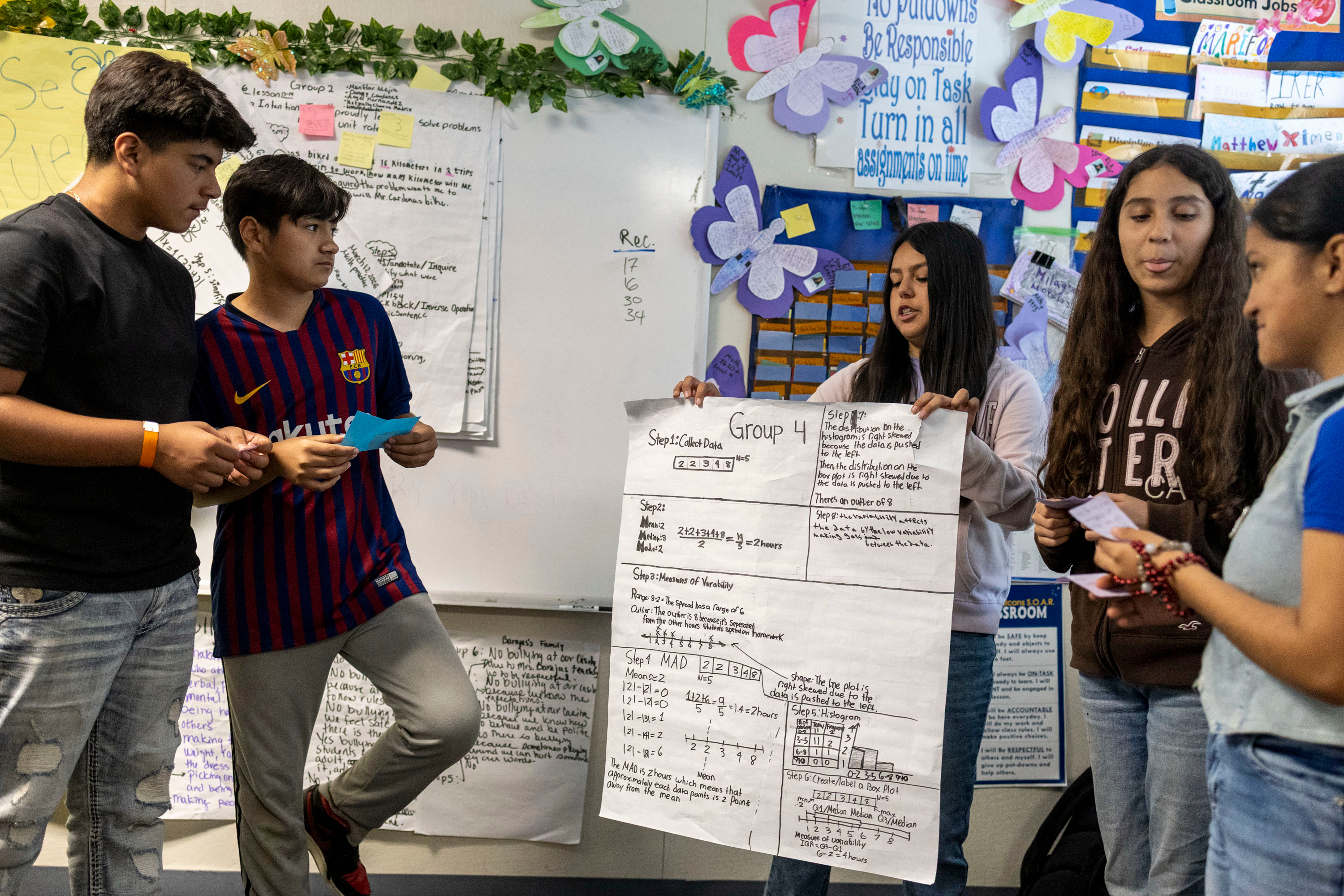
When students are empowered to use AI as a tool for deeper exploration, the outcomes can be remarkable. Instead of passive engagement, classrooms can become vibrant spaces for active learning and reflection. This fosters a more profound connection to the material and a greater sense of intellectual agency.
The Educator's Role in Cultivating Critical Thinking
Many researchers and faculty are actively experimenting with AI to enhance learning, rather than allowing it to become a shortcut for intellectual labor. This proactive approach is crucial for harnessing AI's benefits while mitigating its risks.
The current handwringing about lost critical thinking skills speaks volumes about our teaching practices, not about the inherent capabilities of our students. The true danger lies in clinging to outdated methods or succumbing to nostalgia for a pre-AI era.
A Call for Critical Re-evaluation and Strategic Integration
If we are serious about preserving and enhancing students' critical thinking abilities, we must critically re-evaluate our educational systems. This means developing thoughtful guardrails and guideposts for leveraging AI-driven tools effectively.
Prohibitions and a longing for the past are the real threats. They represent a failure to adapt and innovate in the face of a powerful new technology. Instead, educators must embrace AI as a transformational tool, one that can unlock unprecedented opportunities for learning and intellectual growth.
The future of education hinges on our ability to think critically about how we teach and how we integrate new technologies. By doing so, we can ensure that students develop the essential skills needed to thrive in an increasingly complex world, moving beyond the anxieties of AI to embrace its potential for a richer, more personalized learning journey.





 Explore AI Teaching Tools
Comments (0)
Please login to comment
No comments yet
Be the first to comment on this article