
Sabah's Invisible Children: A Deep Dive Reveals Stark Gaps in Health, Education, and Protection
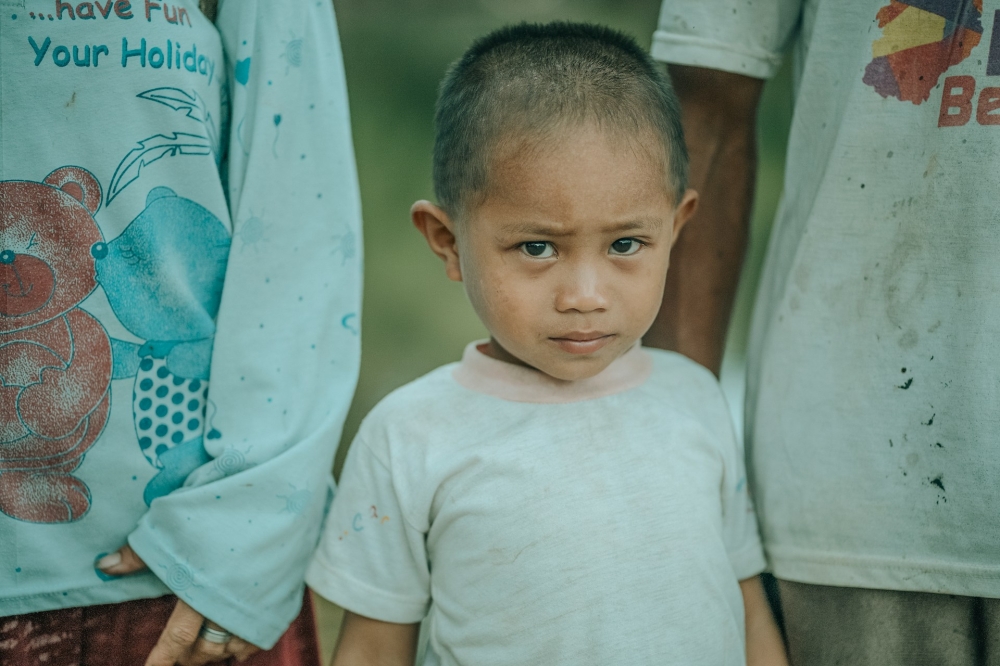
A groundbreaking study in Sabah has unveiled a deeply concerning reality: children lacking official citizenship or recognized nationality are being systematically left behind, facing significant barriers to essential services and opportunities. The findings paint a stark picture of exclusion, impacting their health, education, and overall wellbeing.
A Shadow Population: The Scale of Exclusion
The comprehensive Sabah Child Wellbeing Index (SCWI) 2026, a large-scale survey encompassing 4,441 children across the state, has brought the plight of these vulnerable children into sharp focus. The research purposefully included 591 children identified as stateless or undocumented, alongside a smaller group of 59 who were undocumented but not classified as stateless.
These classifications often intertwine due to complex administrative hurdles, a lack of birth registration, and historical documentation gaps that can span generations. This creates a cycle of disadvantage, pushing these children to the absolute periphery of the state's child population.
Health's Cruel Threshold: Access Denied
When it comes to health, the disparities are alarming. While a remarkable 92.3 percent of all children in Sabah reported having access to healthcare, a staggeringly low 0.6 percent of undocumented or stateless children managed to meet the overall health wellbeing threshold. This domain encompasses crucial indicators like vaccination completion, mental health support, and access to necessary medical services.
The report highlights that only a mere two percent of these children receive the care they need, and just 9.4 percent are up-to-date with their vaccinations. This leaves a vast number vulnerable to preventable illnesses and untreated conditions.
Education's Closed Doors: A Lost Generation
The educational landscape presents an equally bleak scenario. Across all children surveyed, only 27.2 percent reached the learning wellbeing threshold. For undocumented or stateless children, this figure plummets dramatically to a mere 2.7 percent.
While 35.6 percent reported having access to some form of education, and 21.7 percent could access information, the rate of school education completion stood at a dismal 8.4 percent. This indicates a profound exclusion from meaningful academic achievement, despite the broader availability of educational systems.
Growth and Development: A Struggle for Standards
In the crucial area of growth and development, which includes nutrition and developmental checks, 30.6 percent of all children met recommended standards. However, for stateless and undocumented children, this figure dropped to 19.1 percent.
Interestingly, the study noted a surprising finding: 78.6 percent of undocumented or stateless children and 100 percent of children with disabilities met the threshold for nutritious food consumption. Researchers suggest that social desirability bias, where caregivers may report what they perceive as the "correct" answer, could partially explain this anomaly, given the documented vulnerabilities of these groups.
Safety and Belonging: A Mixed Picture
The domain of child safety, which assesses factors like adequate housing, food security, water and sanitation, safe commutes, social environment, and protection from violence, revealed a slightly different trend. Here, 6.6 percent of stateless and undocumented children met the threshold, a marginal improvement over the overall figure of 6.1 percent for all children.
When it comes to their sense of connection and voice, where children report their belonging in school, communities, and their hope for the future, these children scored moderately. 56.2 percent met the threshold, compared to 61.6 percent overall. Researchers attribute this moderate score to community belonging found in alternative learning centers or local community networks.
Systemic Barriers: The Root of the Problem
Despite these pockets of resilience, outcomes remain critically poor in core areas such as health, learning, and safety. This underscores the profound exclusion these children face from basic services, legal protections, and essential infrastructure.
On a more positive note, a significant 87.6 percent received early stimulation and responsive care, pointing to strong caregiving support within households, even amidst systemic exclusion. The report attributes these dire results to broader systemic constraints, emphasizing that children without legal documentation are frequently excluded due to the absence of legal identity and civil registration systems.
These administrative gaps directly impede their ability to formally register for school, access healthcare entitlements, and benefit from social protection systems. The findings powerfully reinforce that while Sabah generally demonstrates high service access, children lacking legal documentation remain largely beyond the effective reach of these vital systems.




 Explore AI Teaching Tools
Comments (0)
Please login to comment
No comments yet
Be the first to comment on this article