
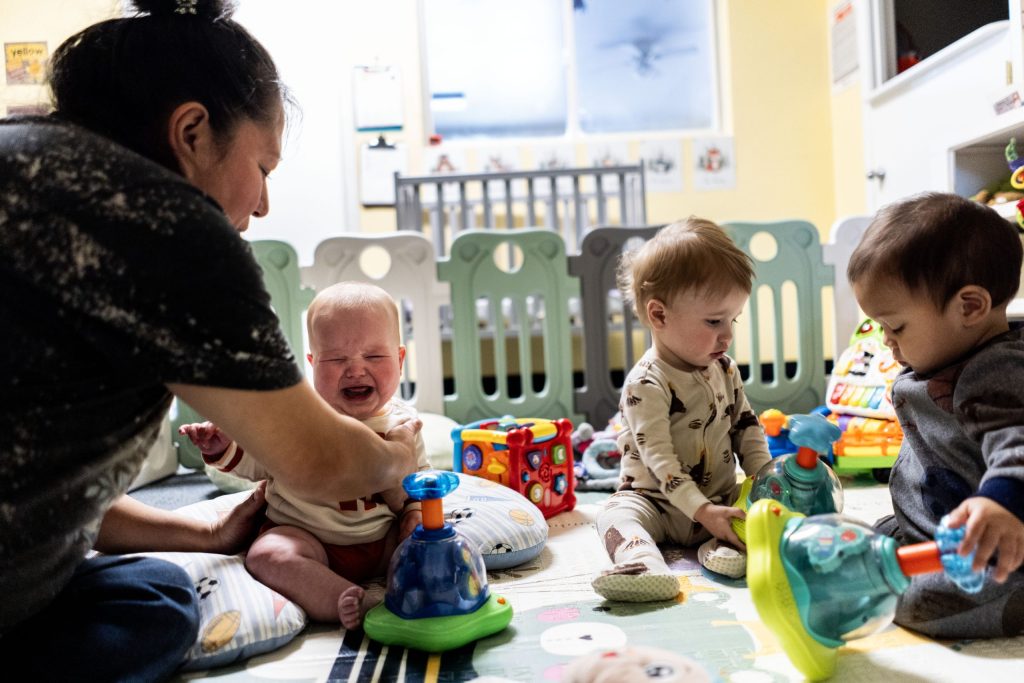
Securing Essential Support: Navigating Food and Child Care Challenges for Families
For countless families, the stability of essential services like child care and access to nutritious food forms the bedrock of daily life.
When these critical supports are threatened, the ripple effect can be profound, impacting not only parents and caregivers but, most importantly, the well-being and development of every child.
This article explores the intricate landscape of these vital resources, offering insights into the challenges families face and the importance of consistent, reliable access.
The Crucial Role of Early Childhood Education and Care
Programs designed to provide early education and care are more than just a place for children to spend their day; they are foundational pillars for a child's development.
These initiatives offer structured learning environments, social interaction opportunities, and a safe space for young minds to explore and grow.
For many families, particularly those with limited financial resources, these programs are indispensable, offering a pathway to educational readiness and alleviating the significant burden of securing affordable, quality child care.
The impact of reliable child care extends beyond the child, enabling parents and caregivers to participate in the workforce, pursue educational opportunities, and contribute to their household's economic stability.
When these services are disrupted, the consequences can be far-reaching, creating immense stress and forcing difficult choices.
Understanding the Head Start Advantage
Initiatives like Head Start, a comprehensive federal program, exemplify the profound impact that accessible early learning can have.
This program is specifically designed to support children from low-income families, providing them with a strong educational foundation before they enter kindergarten.
Beyond academics, Head Start centers often serve as vital community hubs, offering a range of support services that extend to the entire family.
These can include health screenings, nutritional guidance, and connections to social services, creating a holistic support system.
The very nature of these programs means that many families rely on them not just for education but also for essential daily care, including meals.
The disruption of such a program can therefore create a dual crisis, impacting both a child's learning trajectory and their access to consistent nutrition.
Ensuring Food Security for Vulnerable Families
Access to adequate and nutritious food is a fundamental human right and a non-negotiable component of healthy child development.
For many families, especially those navigating economic hardship, government assistance programs are a lifeline, ensuring that their children have the food they need to thrive.
These programs are designed to supplement household budgets, making it possible to purchase a balanced diet.
The unpredictability of funding for these essential food programs can create immense anxiety and hardship.
When benefits are delayed or uncertain, families are forced into difficult situations, often having to make impossible choices between essential needs.
The Interconnectedness of Food and Child Care Support
It is crucial to recognize that food assistance and child care services are not isolated entities; they are deeply interconnected, particularly for families relying on comprehensive support systems.
Many child care centers, especially those serving low-income populations, provide meals as part of their program.
This dual provision ensures that children receive both educational enrichment and vital nutrition throughout the day.
Consequently, any disruption to one service can have a cascading effect on the other.
For instance, a closure of a child care center due to funding issues directly impacts a child's access to both care and the meals that were provided there.
Simultaneously, families might be facing delays in receiving food assistance benefits, compounding the crisis.
This interconnectedness highlights the need for a coordinated and stable approach to supporting families, ensuring that essential services remain accessible and reliable.
The Impact of Funding Uncertainty on Families
When federal funding for critical programs becomes uncertain, the immediate and most vulnerable recipients are families and their children.
Studies indicate that parents and caregivers in such situations often resort to extreme measures to ensure their children are fed, sometimes skipping meals themselves to stretch limited resources.
This can lead to increased stress, anxiety, and a diminished capacity to focus on work or other responsibilities.
The head of a household may find themselves making agonizing decisions about how to allocate scarce funds, prioritizing immediate needs over long-term stability.
The psychological toll on both parents and children can be significant, creating an environment of insecurity that hinders healthy development and overall family well-being.
The head start that children gain from early education and consistent nourishment can be jeopardized by such instability.
Addressing the Gaps: Data-Driven Solutions for Child Care Needs
Understanding the precise scope of child care needs is essential for effective policy and resource allocation.
New data and mapping initiatives are providing a more granular view of where the demand for child care is greatest, particularly for children whose parents or guardians are in the workforce.
These tools help to identify areas where the number of children requiring care significantly outstrips the availability of licensed or registered child care slots.
While these datasets may not capture every nuance of demand, they offer a critical starting point for policymakers to assess community-specific needs.
By breaking down the problem into manageable segments, such as by congressional district, it becomes possible to develop more targeted and effective strategies to bridge the child care gap.
This data-informed approach is vital for ensuring that every child has the opportunity to benefit from quality care and early learning experiences.
Conclusion
The provision of consistent and reliable child care and food assistance is paramount to the well-being and development of children and the stability of families.
Programs like Head Start play an indispensable role in this ecosystem, offering not just educational opportunities but also essential care and nutrition.
When these vital supports face disruption due to funding uncertainties, the consequences can be severe, forcing families into difficult choices and jeopardizing a child's critical early development.
By leveraging data to understand and address child care gaps, and by ensuring the stability of food assistance programs, we can work towards a future where every child has the foundational support they need to thrive, and every family can access the resources that enable them to build a secure and prosperous life.







 Explore AI Teaching Tools
Comments (0)
Please login to comment
No comments yet
Be the first to comment on this article